01Contact a Transformer Buyer by Phone or Form
Use the form to request a transformer offer, or call or text Rocky at (951) 403-5738. Form submissions go to the owner; you can also text equipment photos to the same number.
For a sell-transformer quote request, start with the details below. The transformer selling guide explains what equipment can be submitted.
02What to Include in Your Offer Request
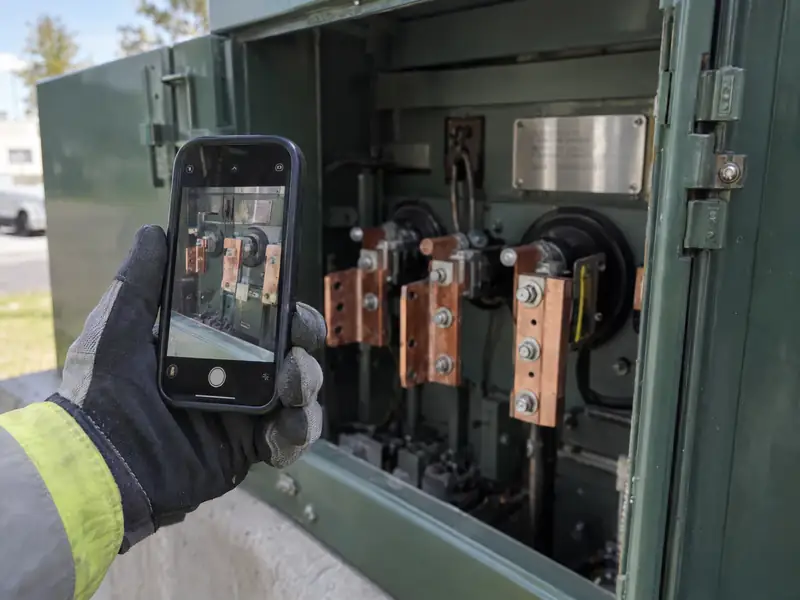
Clear specifications reduce follow-up questions. Photograph only from a safe position where you are authorized to access equipment; do not open compartments.
- Your name, contact information and authority to sell.
- California city, quantity and equipment availability.
- Nameplate and overall photos, if safely accessible.
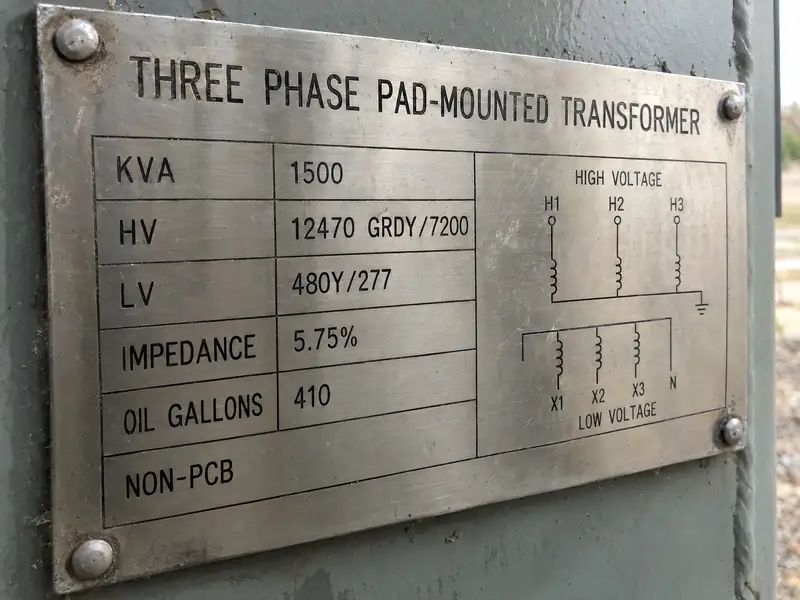
- kVA or MVA, phase, primary and secondary voltages.
- Condition, known damage and existing test reports.
03Send the Actual Nameplate Ratings
Include the manufacturer, serial number and year when available. For a pad-mounted transformer, report the actual voltage and connection—not just “12 kV class.” For substation equipment, include every cooling-stage rating, such as 12/16/20 MVA.
The transformer voltage guide explains common configurations. Existing fluid and PCB records also help evaluate liquid-filled units.
04What Happens After You Submit
Rocky reviews the information and may ask about ownership, testing, fluid records or site access. A submission is a request for review, not a guaranteed purchase.
If an offer is made, written terms specify the price, what is included, loading or rigging responsibilities, freight and payment timing. See the review and purchase process for the steps through pickup.
05Equipment Must Be Located in California
California Transformer Buyer is based in Riverside County and serves sellers statewide. Include the equipment’s location, not just your company’s billing address.
Requests can cover one spare, project leftovers or mixed lots. Review the transformer families considered and never-energized surplus equipment for relevant details.
06Discuss Ownership and Access Before Pickup
You must own the equipment or have authority to sell it. A transformer serving your property may belong to the utility.
De-energizing and disconnecting must be handled by your qualified electrical contractor or serving utility. Describe access constraints in your request; removal and pickup responsibilities should be settled in writing before pickup.
FORMSend Your Transformer Details
FAQFrequently Asked Questions
Can I request an offer without readable nameplate photos?
Yes. Send the information you already have, including existing records, equipment photos and location. Explain that the nameplate is unreadable or inaccessible. Rocky may need additional documentation before making an offer. Do not enter restricted areas or open equipment to obtain a better photograph.
Should I submit each transformer separately?
For multiple units, identify each transformer so its photos match its specifications. A simple list with quantity, rating, voltage and condition is useful. Keep different configurations separate rather than assuming all units match. You can submit a mixed lot together for review.
Can I request an offer while the transformer is still operating?
You can submit details for review while equipment remains in service. State that it is energized and explain the expected availability. An offer and pickup planning depend on the equipment and circumstances. Only qualified personnel may perform the isolation and disconnection required before removal.
What if I do not know the PCB status?
State that the status is unknown and provide any existing labels, fluid records or test reports. A label alone may not resolve every question. Rely on testing, documentation and qualified environmental professionals to determine the appropriate pathway under California and federal requirements; this is not legal advice.
Does requesting a quote commit me to selling?
No. Reviewing your transformer costs nothing and carries no obligation. You can review any written offer before deciding whether to proceed. Confirm what is included, who handles rigging and freight, and the payment terms and timing rather than relying on assumptions about pickup arrangements.