01How Electrical Transformer Buyers Differ
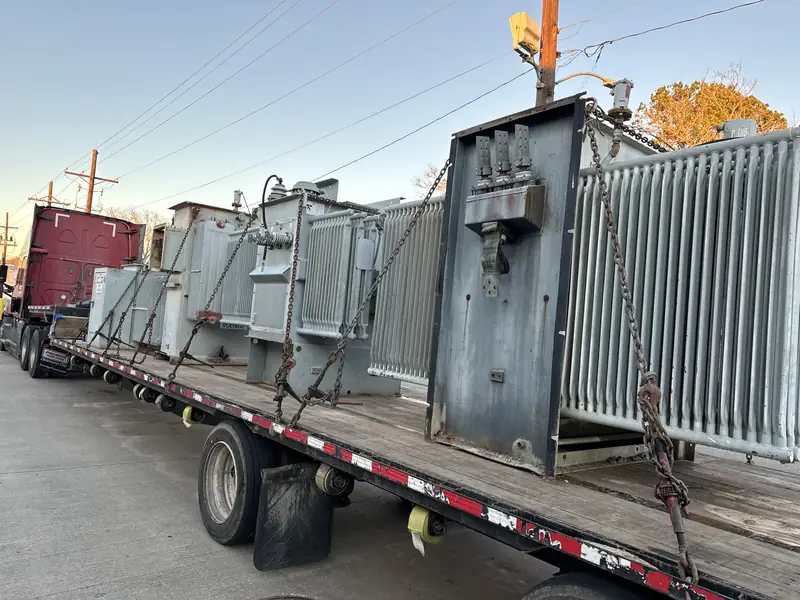
Electrical transformer buyers do not all evaluate the same opportunity. A reusable unit, a repairable transformer and a failed unit may attract different buyers because each has a different intended use. Identify that use before comparing offers.
Buyers of used electrical transformers generally fall into four groups. Some businesses operate across more than one category, but the buyer should still explain what equipment and accessories the offer includes.
| Buyer type | Intended use | Main considerations |
|---|---|---|
| Resale dealer | Resell usable equipment | Voltage, rating, condition, tests and demand |
| Rebuilder or remanufacturer | Repair or recondition equipment | Repair scope, core condition and missing parts |
| End user | Install for a specific application | Exact electrical and physical compatibility |
| Scrap recycler | Recover materials | Material content, fluid status and handling |
Start With Reuse Potential, Not Weight Alone
A complete transformer with useful ratings and supporting tests should not automatically be treated as scrap. Conversely, severe fault damage or environmental uncertainty can limit reuse options. Our guide to who buys transformers and why explains the different sales routes.
02We Buy Transformers Across Distribution, Power and Specialty Categories
California Transformer Buyer reviews previously energized equipment, pulled units, decommissioned transformers, project leftovers and spare inventory. New-surplus equipment that was never energized can also be submitted, whether crated or on skids. Review does not guarantee purchase of every unit or condition.
The electrical category matters more than the enclosure alone. A pad-mounted solar step-up transformer, for example, needs a different evaluation from a building-service padmount unit. See the transformer categories we review when identifying your equipment.
- Distribution: single- and three-phase pad mount, conventional or CSP pole-mount, vault, submersible and network transformers.
- Power and station class: substation transformers, generator step-up units and primary or secondary unit substations.
- Dry-type: low-voltage units, medium-voltage VPI/VPE designs and cast-resin transformers.
- Specialty: solar inverter step-up, BESS, grounding zig-zag, autotransformer, K-factor and drive-isolation units.
- Other applications: buck-boost, control, instrument CT/PT, rectifier, furnace and mobile substation equipment.
Submit the Actual Rating, Including Every Cooling Stage
Examples include 75 kVA dry-type units, 1000 kVA distribution transformers and larger MVA-rated power equipment. A 12/16/20 MVA ONAN/ONAF/ONAF nameplate describes multiple cooling-stage ratings, not three separate transformers. Include every listed rating and identify whether fans, controls and other accessories remain with the unit.
03What Determines an Offer Beyond kVA and Age
An offer reflects the transformer's likely use, documented condition and cost to collect it. Rating alone is not enough: two 1500 kVA units can have very different prospects because their voltages, connections, impedance, fluid or accessories differ.
Common California secondary voltages include 208Y/120 V and 480Y/277 V three-phase, plus 120/240 V single-phase. Primary requirements vary by system. SCE documents 4 kV, 12 kV and 16 kV distribution, while PG&E and SMUD areas include 12 kV and nominal 21 kV systems. The actual nameplate—not a regional assumption—controls the evaluation.
New-surplus status can help, but storage conditions still matter. Moisture exposure, damaged bushings, missing parts or incomplete factory records can affect never-energized equipment. Our new-surplus transformer selling page explains how to present unused inventory.
- Electrical fit: kVA/MVA, phase, HV/LV voltages, taps, connection, impedance and BIL.
- Construction: winding material, cooling class, temperature rise and fluid or dry insulation type.
- Condition: leaks, corrosion, physical damage, fault history and repairs.
- Documentation: factory tests, service tests, liquid records and PCB information.
- Transaction scope: quantity, included accessories, loading access and freight requirements.
04Build a Review Packet Without Opening Equipment
Start with a readable, straight-on nameplate photo and full external photographs taken from a safe position. Photograph only equipment you are authorized to access. Do not open compartments or approach energized components to obtain a better image.
Provide ownership or authority to sell, any applicable utility release, quantity and exact California location. Report energized or de-energized status and whether the equipment is disconnected. Only the owner's qualified electrical contractor or serving utility handles isolation and disconnection.
Existing factory and recent service reports are useful, including turns ratio, winding resistance, insulation and appropriate dielectric tests. Liquid dielectric, PCB and dissolved gas analysis records may also apply. This is a records checklist, not a test procedure; sellers should not perform testing or sampling themselves.
- Nameplate: manufacturer, serial number, year, ratings, 60 Hz frequency, voltage connections and tap positions.
- External photos: all safely visible sides, radiators, bushings, valves, cabinet exterior and accessory plates.
- History: storage, leaks, overload, fault or flood exposure, repairs and date last operated.
- Logistics: dimensions, operating/shipping weight, documented lift points and ground-level clearances.
- Scope: included versus missing accessories, forklift/crane access and removal obligations.
05Compare Written Offers Before Agreeing to Pickup
Compare the complete transaction, not just the offered amount. An offer that leaves crane work, freight or site restoration unclear is difficult to compare with one that defines those responsibilities.
California Transformer Buyer's written offer states the amount, what is included, who handles loading or rigging and freight, and payment terms and timing. Ask questions before accepting so both sides understand the equipment being sold and the conditions for pickup. The transformer review and purchase process follows that sequence.
- Confirm transformer serial numbers and quantities covered by the offer.
- List included radiators, fans, switches, gauges, elbows and other accessories.
- Identify responsibility for electrical disconnection, rigging, loading and transport.
- Specify payment timing and any conditions tied to inspection or documentation.
- Clarify responsibility for oil records, environmental determinations and any waste handling.
- Record access limitations, scheduling requirements and remaining site obligations.
06Oil and PCB Documentation Can Change the Sales Path
Fluid-filled equipment needs a documented environmental review where applicable. Under federal TSCA classifications, non-PCB means below 50 ppm, PCB-contaminated means 50 to below 500 ppm, and a PCB Transformer contains 500 ppm or more. Non-PCB does not mean zero PCBs.
Unknown status cannot simply be treated as clean. Depending on equipment age and fluid information, federal rules may require assumptions of PCB contamination or PCB Transformer status until testing or qualifying documentation establishes concentration.
California has stricter rules for PCB-containing oil. Health & Safety Code 25250.1 excludes oil containing 5 ppm or more PCBs from the state's used-oil category; that does not mean every transformer at 5 ppm is automatically hazardous waste. The correct management pathway depends on testing, documentation and the material involved.
A working transformer sold for reuse is equipment, but leaking units, drained oil and failed equipment need proper determination. California generally manages used oil as hazardous waste unless an exclusion or recycling pathway applies; regulated hauling requires registered hazardous-waste transporters and manifests. Rely on qualified environmental professionals, not a sales label. This information is not legal advice.
07Why a California-Focused Buyer Matters for Logistics
A search for a transformer buyer near me often starts with distance, but access and shipping scope matter just as much. California Transformer Buyer is based in Riverside County in the Inland Empire and serves sellers throughout California only. Exact location helps Rocky evaluate the collection requirements.
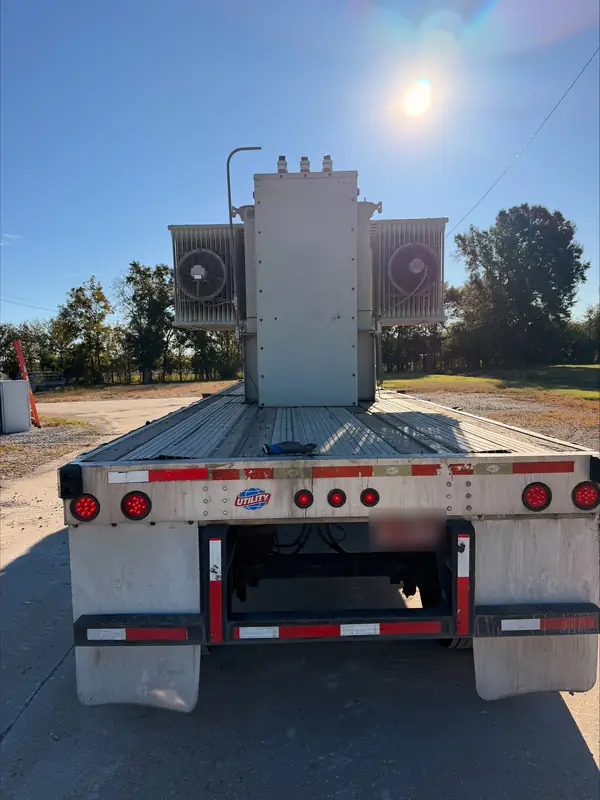
A loading-dock dry-type unit presents a different job from a station-class transformer behind a restricted gate. Large loads may require Caltrans oversize or overweight permits on state highways, with separate local-road approvals where applicable. Shipping dimensions, weight and route constraints should be addressed before pickup.
For larger units, shipping arrangements may involve specialist removal of radiators or bushings and controlled preservation measures. That work belongs to qualified personnel, not the seller. Review transformer removal and pickup responsibilities while establishing the written scope.
08Request a California Transformer Review From Rocky
Call or text (951) 403-5738 with your nameplate photos, overall photos, quantity, location and known condition. You can also request a transformer offer through the contact form. Reviewing your transformer costs nothing and there is no obligation.
Rocky reviews the information and may request test reports, fluid records, ownership confirmation or access details. If an offer follows, terms are provided in writing before pickup, including who handles rigging and freight and when payment occurs.
For multiple units, identify each transformer separately rather than describing the entire lot as one rating. The transformer liquidation page covers mixed inventory and larger equipment groups.
FAQElectrical Transformer Buyers FAQ
Can I sell a transformer installed on my property?
Only if you own it or have authority to sell it. Location on your property does not establish ownership; utility-owned equipment cannot be sold by the property owner. Confirm ownership and obtain any applicable utility release. Tell Rocky whether the unit is still in service so the review can account for qualified disconnection and site responsibilities.
Should I contact a resale buyer before a scrap recycler?
For a complete unit with readable ratings and potentially usable condition, a reuse evaluation can help establish whether it has an equipment market. Failed or incomplete units may need a different route. Do not assume copper content or total weight tells the whole story: configuration, test records, repair needs and environmental status can all affect the appropriate sales path.
Do older transformers become illegal to resell under new DOE efficiency rules?
DOE distribution transformer efficiency standards apply to manufacture; they do not automatically make existing used or surplus units illegal to resell. The standards for units manufactured from January 1, 2016, and the newer levels applying on or after April 23, 2029, have defined scopes. A prospective installation still requires an assessment of suitability and applicable project requirements.
Can I request an offer without recent test reports?
Yes. Start with the records and safe external photographs you already have, and clearly identify what is unavailable. Missing tests can create uncertainty about condition and suitability, so Rocky may ask follow-up questions or explain what further documentation is needed. Do not arrange electrical testing or fluid sampling yourself; those tasks require appropriately qualified personnel.
Does a manufacturer name determine whether you will buy a transformer?
The manufacturer helps identify construction and verify specifications, but rating and condition generally matter more than brand alone. A readable serial number, connection diagram, voltage information and accessory records make the review more useful. No manufacturer name establishes purchase eligibility by itself, and California Transformer Buyer is not affiliated with or endorsed by manufacturers or utilities.
Can a buyer handle a mixed lot of dry-type and oil-filled transformers?
California Transformer Buyer reviews mixed lots as well as individual units. Send an inventory identifying each unit's rating, type, location and condition, with matching nameplate photos. Oil-filled equipment needs its own fluid documentation review. The written offer should make clear which units are included and whether different loading or handling arrangements apply within the lot.