01A Surplus Transformer Buyer for Leftovers, Overstock and Spares
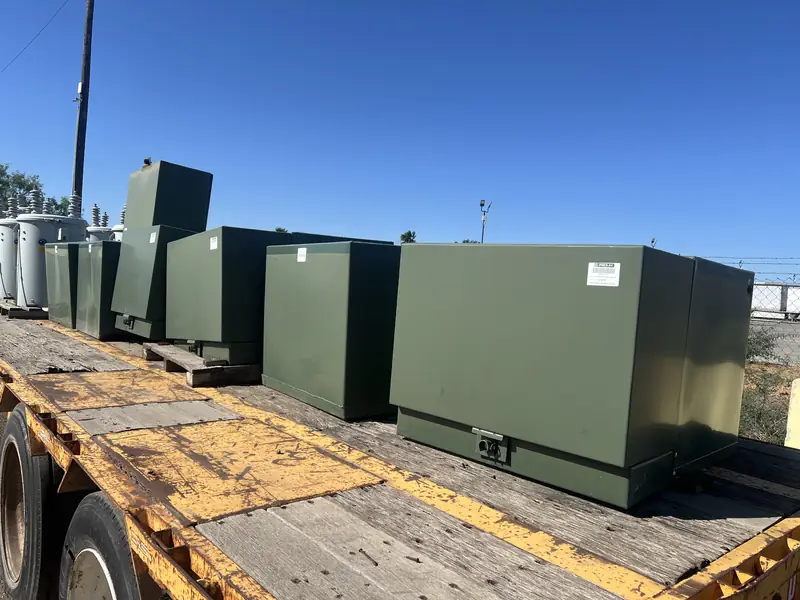
Excess transformer inventory can come from a cancelled project, a design revision or a purchasing decision made before final electrical requirements were settled. California Transformer Buyer reviews individual units and larger lots across California, including equipment that remains crated, sits on shipping skids or has been held as a spare.
The important distinction is operating history, not just appearance. A new surplus transformer has never been energized; a clean unit removed from service is used equipment. If your records are incomplete, describe what you know rather than assuming the unit is new.
Our new-surplus transformer buying page covers never-energized equipment specifically. Previously operated spares can also be reviewed, with their service history and condition considered separately.
- Solar and battery storage project leftovers
- Data center and commercial construction over-orders
- Distributor overstock and cancelled customer orders
- Utility and municipal spare inventory
- Unused replacements and mixed surplus lots
02Why Available Surplus Transformers Can Hold Value
A compatible transformer available now can help a project avoid waiting for newly manufactured equipment. NREL reported in 2024 that distribution transformer lead times had reached up to about two years, roughly four times pre-2022 levels. That dated finding explains a market pressure; it is not a delivery estimate for every transformer today.
Availability alone does not make a unit suitable. Buyers still need the right kVA or MVA rating, primary and secondary voltages, connections, impedance, insulation level and physical configuration. A well-documented 1500 kVA unit with useful voltages may have a different resale outlook from an equally new transformer designed for a narrow application.
Condition and evidence matter alongside specifications. Factory reports, intact accessories and a clear storage history reduce uncertainty. Our guide to transformer shortages and seller opportunities explains why long lead times can support demand without guaranteeing a purchase or a particular value.
03Match Each Surplus Unit to Its Actual Electrical Specifications
Start with a readable, straight-on nameplate photograph taken from a safe, authorized position. Record every cooling-stage rating rather than listing only the highest capacity. A station-class transformer marked 12/16/20 MVA ONAN/ONAF/ONAF should not be described simply as a 20 MVA unit.
For distribution inventory, common California secondaries include 208Y/120 V and 480Y/277 V three-phase. Primary requirements vary: 12 kV-class configurations are common, while 16 kV-class equipment appears in SCE territory and 21 kV-class configurations occur in PG&E and SMUD areas. Always report the actual nameplate voltage, not an assumed utility voltage.
A pad mount intended for solar collection is not automatically interchangeable with a commercial service transformer. Connection diagrams, taps, BIL, impedance and cabinet configuration can determine suitability. See our pad-mounted transformer buying requirements for that equipment family.
- Manufacturer, serial number and year
- All kVA/MVA ratings, phase and frequency
- HV/LV voltages, connections and taps
- Impedance, BIL and temperature rise
- Cooling class, fluid type and gallons
- Weight and winding material, if stated
04Documents That Make New-Surplus Inventory Easier to Evaluate
Keep records tied to individual serial numbers. A factory report for one transformer does not establish the condition or performance of another unit from the same order. For a lot, a simple inventory sheet connecting each serial number to its specifications, documents and storage location is useful.
Packing lists help establish what shipped with the equipment, including separately packed radiators, fans, gauges or other accessories. Compare those lists with existing receiving records and photographs. Identify missing items rather than describing the shipment as complete without confirmation.
Include warranty documents when available, but do not assume that unused equipment still has warranty coverage. The original terms may limit duration, transferability or storage requirements. Disclose what the paperwork says and any known claims or repairs.
- Factory test reports and purchase specifications
- Packing lists and receiving records
- Warranty terms and manufacturer correspondence
- Storage logs and preservation records
- Available service tests, fluid records and repair history
Test Reports Are Evidence, Not a Seller Test Procedure
Relevant reports may include turns ratio, winding resistance, insulation and appropriate dielectric tests. Liquid-filled units may also have dielectric-fluid, PCB and dissolved gas analysis records where applicable. Send existing reports; any additional testing or sampling should be handled by qualified professionals, not attempted by the seller.
05How Storage Changes the Condition of Unused Transformers
Never energized does not mean unaffected by time. Outdoor exposure can damage paint and promote corrosion; gaskets and seals can deteriorate, and leaks can develop. Moisture concerns depend on the design, packaging and preservation history, so the storage description should be specific.
Tell Rocky whether the transformer was stored indoors or outdoors, whether packaging stayed intact and whether there were known leaks, flooding or physical impacts. For dry-type equipment, moisture, dirt and damaged enclosures deserve attention even when the unit has never operated.
Provide external photographs of all accessible sides, radiators, bushings, valves, cabinet exteriors and accessory or control plates. Photograph only from safe positions. Do not open electrical compartments to improve the photo set; access belongs to qualified personnel after proper isolation, lockout, verification and grounding as applicable.
- Describe storage duration and location
- Disclose rust, paint damage and visible leaks
- Identify damaged bushings or missing accessories
- Include known repairs, flood exposure or faults
- State the date last operated, if applicable
06Selling One Transformer or an Entire Inventory Lot
You can submit one leftover transformer or a yard containing several equipment families. Separate never-energized units from previously operated equipment and list each location accurately. For repeated models, provide the quantity and individual serial numbers so documents can be matched correctly.
Mixed lots benefit from a clear inventory rather than a single photograph of the yard. Note which units include switches, fuses, elbows, fans, gauges or load tap changers, and identify equipment stored at another address. Our transformer inventory liquidation page addresses larger collections and closeout situations.
Large power and substation equipment needs additional logistical review. Operating and shipping weights, dimensions, lift points and attached accessories affect the scope. Our substation transformer buying page explains the information needed for station-class units.
- Quantity, serial number and exact location
- Energized status and disconnected condition
- Included versus missing accessories
- Operating and shipping dimensions and weights
- Site access and removal obligations
07Ownership, Fluid Records and Pickup Responsibilities
Sellers must own the equipment or have authority to sell it. A transformer on your property may belong to the serving utility. Utility-owned inventory requires the appropriate authority or release; its physical location does not establish ownership.
For liquid-filled equipment, provide available fluid identification and PCB documentation. A non-PCB label does not mean zero PCBs. California has stricter rules for PCB-containing oil, and the correct management pathway depends on testing, documentation and whether the transaction concerns reusable equipment or regulated waste. Rely on qualified environmental professionals; this is not legal advice.
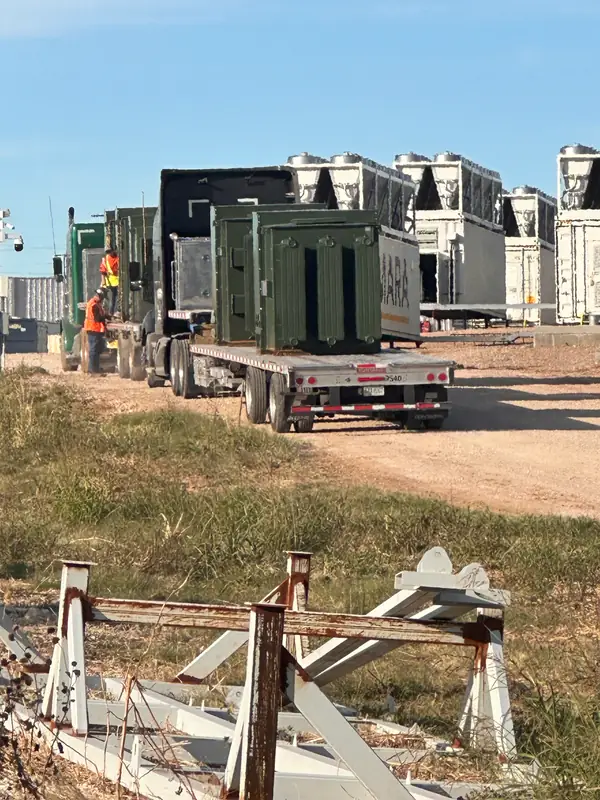
Pickup planning should account for ground-level clearances, forklift or crane access, rigging points and freight requirements. The transformer removal and pickup guide explains these considerations. Only the owner's qualified electrical contractor or serving utility should handle de-energizing and disconnecting, including potential backfeed from solar, batteries or generators.
08Request a Written Offer for California Surplus Inventory
Call or text Rocky at (951) 403-5738, or use the transformer offer request form. Start with nameplate and overall photographs, quantity, California location and a brief condition description. Reviewing your transformer costs nothing and there is no obligation.
Rocky reviews the information and may request records concerning tests, fluid status, ownership or site access. If an offer is made, the written terms identify the equipment and accessories included, loading and rigging responsibilities, freight arrangements, and payment terms and timing.
Before pickup, confirm those responsibilities in writing, particularly when equipment is still installed or stored at multiple sites. California Transformer Buyer is based in Riverside County and serves sellers statewide; evaluation depends on the actual inventory, documentation and removal requirements.
FAQSurplus Transformer Buyer FAQ
Can I sell surplus transformers without the original purchase invoice?
An original invoice is helpful, but submit the information you do have. Ownership or authority to sell still needs to be established, and nameplates, receiving records, asset records and other documentation may help explain the inventory. Tell Rocky which records are missing rather than assuming the absence of an invoice automatically prevents a review.
Does an unopened crate prove a transformer is in new condition?
No. An unopened crate supports the storage history but does not establish internal condition, complete accessories or warranty coverage. Packaging may have been exposed to water or impacts, and the unit's identity still needs verification. Share existing packing lists, external photographs and serial-number records without opening electrical compartments or moving the equipment yourself.
Can a surplus solar or battery storage transformer be used on another type of project?
Possibly, but application compatibility requires more than matching capacity. Voltage, winding connections, grounding, impedance, insulation ratings and accessories can differ between renewable-energy and building-service applications. Identify the original intended use and provide the actual nameplate and drawings. A qualified engineer must determine whether a proposed replacement fits the new project's requirements.
Do newer efficiency standards make older surplus transformers illegal to sell?
No. DOE distribution transformer efficiency standards apply to manufacture; they do not make existing used or surplus units illegal to resell merely because newer standards take effect. Manufacturing date, covered equipment category and project requirements still matter. A purchaser may have specifications that exclude an otherwise reusable unit, so provide the year and available compliance documentation.
Should I repair cosmetic damage before requesting an offer?
Start by documenting the current condition. Paint damage may be cosmetic, but corrosion, leaks or impact damage can indicate concerns that deserve qualified assessment. Fresh paint does not substitute for a condition history. Send clear photographs and disclose known defects before arranging repairs so the review reflects the equipment as it actually stands.
Can several owners combine their surplus equipment into one submission?
You can describe inventory at multiple California sites, but identify the owner and selling authority for each unit or group. Do not present another company's equipment as yours without authorization. Separate locations, access restrictions and removal obligations should also be listed so any written offer clearly defines which equipment and responsibilities it covers.