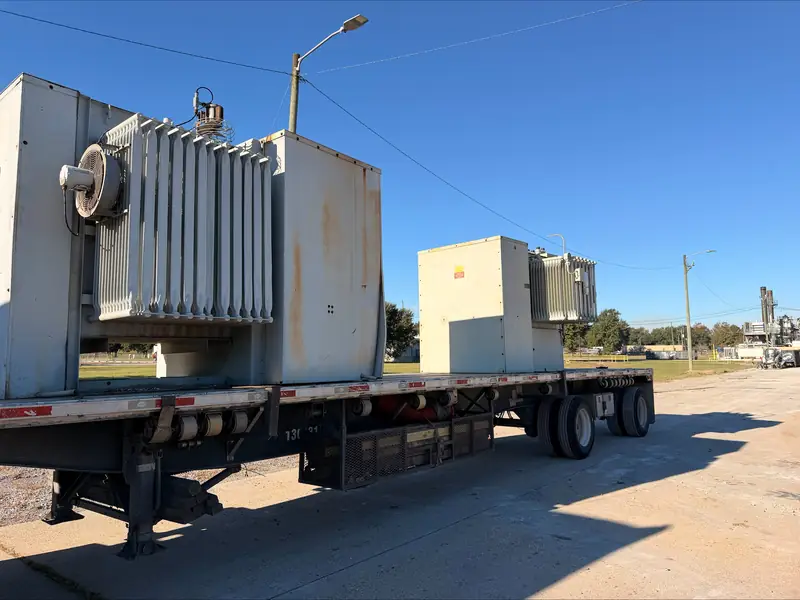
01Transformer Buyer Los Angeles County: Local Equipment and Industries
A transformer buyer serving Los Angeles County needs to account for a wide mix of facilities, equipment and access conditions. The Los Angeles basin combines the San Pedro Bay port complex with freight, warehousing and industrial operations. Los Angeles Harbor and Long Beach have substantial maritime infrastructure, alongside manufacturing and aerospace activity.
Torrance and Santa Clarita support advanced manufacturing, research and aerospace-related work. Farther north, Lancaster and Palmdale anchor the Antelope Valley aerospace cluster and clean-energy activity. These industries can leave sellers with operating spares, project leftovers, removed units or equipment held for a facility upgrade.
California Transformer Buyer considers individual transformers as well as mixed lots and larger groups. Used equipment, pulled units, decommissioned assets and never-energized new-surplus equipment may all be reviewed. Whether a particular unit is suitable depends on its specifications, condition, documentation and the practical details of pickup.
DIRCities in This Region
- Los Angeles, CASell used, surplus or new-surplus transformers in Los Angeles with a written offer and pickup terms agreed before removal.
- Long Beach, CALearn what transformer information to provide, what equipment may fit a Long Beach sale, and how pickup planning works.
- Torrance, CALearn what transformer types Torrance facilities may have to sell, what information to send, and how pickup planning works.
- Santa Clarita, CALearn what transformer details to send, how SCE territory and site access affect a Santa Clarita sale, and how to request a written offer.
- Lancaster, CALearn what transformer details to send, how Lancaster pickup is planned and how to request a written offer.
- Palmdale, CAPalmdale owners can request a written offer for used, surplus or new-surplus transformers and agree on pickup terms before removal.
02LADWP and SCE Service Areas Have Different Transformer Voltages
Utility service changes at city boundaries, so the location and actual nameplate matter. LADWP serves the City of Los Angeles. Southern California Edison (SCE) serves Long Beach, Torrance, Santa Clarita, Lancaster and Palmdale among the listed cities, and serves most of the other listed cities in the county.
Documented LADWP voltages include 4.8 kV and 34.5 kV, as well as 2.4 kV and 4.16 kV primary-metered service. SCE distribution systems include 4 kV, 12 kV and 16 kV; 25 kV and 33 kV are also documented. These are not a substitute for the specific transformer nameplate or a confirmation of the service at a property.
For a sale review, provide the primary and secondary voltages, connection, taps and phase from the nameplate when legible. A 12 kV-class or 16 kV-class unit, for example, should be identified by its actual listed voltage rather than inferred from the city or serving utility.
03Transformer Types Found Around Ports, Factories and Clean-Energy Sites
Port and logistics properties may have pad-mounted distribution transformers, indoor dry-type units or larger equipment serving industrial loads. Aerospace, advanced manufacturing and research facilities may use unit substations, medium-voltage dry types, isolation transformers or other specialized equipment. The exact equipment varies by site; these are examples of types a seller may encounter, not a guarantee of demand for a particular unit.
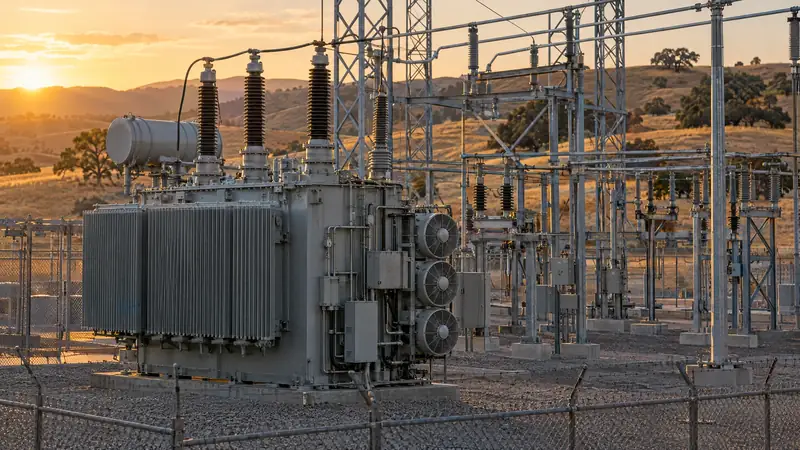
Clean-energy projects and facility power systems can involve solar inverter step-up transformers, battery energy storage system (BESS) transformers or substation and power transformers. A large station-class transformer may have radiators, fans, a tap changer or other accessories that affect identification and removal planning.
California Transformer Buyer reviews used transformers in Los Angeles County as well as new-surplus units that have never been energized and may still be crated or on skids. Include the configuration and all available test or manufacturing records. See the information for a buyer of substation transformers if you are evaluating a larger station-class unit.
04Cities Served Across Los Angeles County
The county coverage includes the port and industrial areas of Los Angeles, CA and Long Beach, CA, as well as the manufacturing and research base of Torrance, CA. The Antelope Valley cities of Lancaster, CA and Palmdale, CA are also part of the region.
For Santa Clarita facilities, see the local information for Santa Clarita, CA. These city pages help sellers check location-specific service and equipment context. If a facility sits near a city boundary, share the site address or nearest cross streets so the location can be assessed accurately.
California Transformer Buyer is based in Riverside County and serves sellers throughout California. For a broader overview of the process and regional service, visit transformer buying and pickup across California.
05Information That Helps Review Los Angeles County Surplus Transformers
A clear nameplate photo is the best starting point. If safe and authorized, photograph from a position where you can read the plate without opening an enclosure or approaching energized equipment. Add overall photos of the transformer and its visible condition, taken from a safe position.
Useful information includes the manufacturer, serial number, year, kVA or MVA rating, phase, primary and secondary voltage, tap positions, impedance, cooling class, fluid type and total weight. Photos of accessories and visible damage can help clarify what is included. Do not move, disconnect or open equipment to obtain pictures.
Also share the quantity, exact location, operating or storage condition, site access details and whether the units are used or new-surplus. Test reports, PCB records, ownership information and any known loading or rigging constraints can help Rocky assess the opportunity and ask relevant follow-up questions.
- Nameplate and overall equipment photos
- Quantity, location and condition
- Test reports and fluid or PCB records, if available
- Ownership or authority to sell
- Access and removal constraints
06How Pickup and Hauling Are Planned in the County
Pickup planning depends on the transformer’s dimensions and weight, site access, loading requirements and route. Port, warehouse, manufacturing and research properties can each have different access rules, scheduling needs and equipment constraints. Share known restrictions such as gate hours, loading areas or limited truck access before accepting an offer.
The written offer states what is included and who handles loading, rigging and freight, along with payment terms and timing. Those responsibilities are agreed in writing before pickup. For more detail about coordination, review transformer removal and pickup planning.
Do not attempt to de-energize, disconnect, open, drain or move a transformer yourself. The owner’s qualified electrical contractor or the serving utility handles electrical isolation and disconnection. Qualified personnel must also consider possible backfeed from solar, batteries or generators. Oversize or overweight hauling may require permits or local approvals depending on the load and route.
07Ownership, PCB Records and Equipment Condition
A seller must own the transformer or have authority to sell it. Utility-owned equipment located on private property cannot be sold by the property owner. If ownership is unclear, resolve that question before arranging a sale or pickup.
Provide available PCB labels, fluid records and test documentation rather than guessing at environmental status. PCB classifications and handling pathways depend on test results, records and applicable requirements. California has specific rules for PCB-containing oil; the correct pathway depends on the facts and should be determined with qualified environmental professionals. This information is general, not legal advice.
Leaking, failed or drained equipment can require a different determination from a working transformer offered for reuse. Rely on testing, documentation and qualified environmental professionals to evaluate the equipment and any oil. California Transformer Buyer may ask about records and condition during its review.
08Request a Written Offer for a Transformer in Los Angeles County
Call or text Rocky at (951) 403-5738, or use the website contact form. Include the nameplate photos, overall photos, quantity, location and condition. You can text photos to the same number, provided you are authorized to access and photograph the equipment safely.
Rocky reviews the information and may ask follow-up questions about test reports, fluid or PCB records, ownership and site access. If the equipment fits, you receive a written offer with the agreed scope and terms before pickup. Reviewing a transformer costs nothing and carries no obligation to accept an offer.
FAQSelling a Transformer in Los Angeles County: FAQ
Will California Transformer Buyer consider just one transformer?
Yes. California Transformer Buyer reviews single units as well as multiple transformers, mixed lots and larger groups. The equipment still needs an individual review based on its rating, voltage, type, condition, available records and pickup requirements. Send the quantity and clear photos so Rocky can assess whether the unit or lot is a fit.
Can I sell an unused transformer that is still crated?
New-surplus transformers that have never been energized may be reviewed, including units stored on skids or in crates. Share photos of the nameplate, packaging and overall condition, along with any factory test report or purchase documentation you have. Do not unpack or move a unit for photos; provide information that is safely accessible.
What if the nameplate is damaged or unreadable?
Send the clearest available photos of the unit, any remaining plate details, manufacturer markings and related records. Include the approximate rating or voltage only if you have a reliable source for it, and identify it as unconfirmed. Test reports, drawings and prior asset records may help establish specifications, but the buyer may need follow-up information before reviewing an offer.
Does a transformer located on my property automatically belong to me?
No. Equipment on a property may belong to a utility, tenant, landlord, project owner or another party. You must own the transformer or have authority from its owner to sell it. If you are unsure, check asset records, lease or project documents, or contact the party responsible for the equipment before submitting it for sale.
Can California Transformer Buyer purchase a leaking or failed transformer?
Leaking or failed equipment can be considered, but purchase suitability depends on its condition, contents, documentation, access and removal requirements. Do not drain, open, sample or move the transformer. Share what is known and rely on testing, records and qualified environmental professionals to determine environmental status and appropriate handling.
How do I know whether LADWP or SCE serves my property?
The service territory can change at city boundaries, and the listed county cities do not all have the same utility. LADWP serves the City of Los Angeles; SCE serves the other listed cities in this region. Confirm the serving utility for your specific property using its service records or utility account, and use the transformer nameplate for equipment voltages.