01Transformer Buyer FAQ: What Equipment Do You Buy?
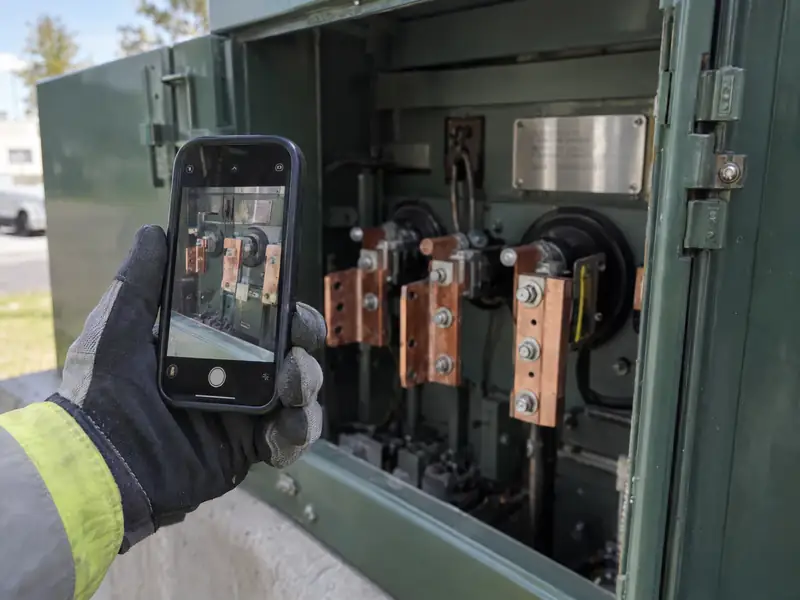
California Transformer Buyer buys previously energized, pulled, decommissioned, spare and project-leftover transformers, plus never-energized new-surplus equipment. Single units and mixed lots can be submitted for review. An inquiry does not guarantee a purchase.
Equipment families include pad mount, pole-mount, dry-type, unit substation and larger station-class transformers. Specialty configurations need their own review because ratings, application and condition affect suitability. The transformer types guide helps identify what you have.
What kVA or MVA Sizes Can I Submit?
Send the actual nameplate rating rather than estimating from cabinet size. Three-phase ratings include 75, 300, 1000 and 2500 kVA, with larger equipment rated in MVA. For multi-stage cooling ratings such as 12/16/20 MVA, report every stage. See the kVA and MVA size guide for rating examples.
02Who Can Sell a Transformer in California?
You must own the transformer or have authority to sell it. Facility managers, contractors and project managers should establish who owns the equipment before offering it. A transformer sitting on private property may still belong to the serving utility.
Utility-owned equipment cannot be sold by the property owner. Provide ownership records and a utility release when applicable. For broader sell transformer questions about seller roles, see who buys transformers and what sellers should prepare.
Do You Buy Outside Southern California?
Yes, provided the equipment is located in California. The business is based in Riverside County and serves the entire state, including Northern California, the Central Valley and coastal communities. Equipment located outside California is outside the service area. Give the exact equipment location, not just your company’s billing address.
03What Photos and Nameplate Details Should I Send?
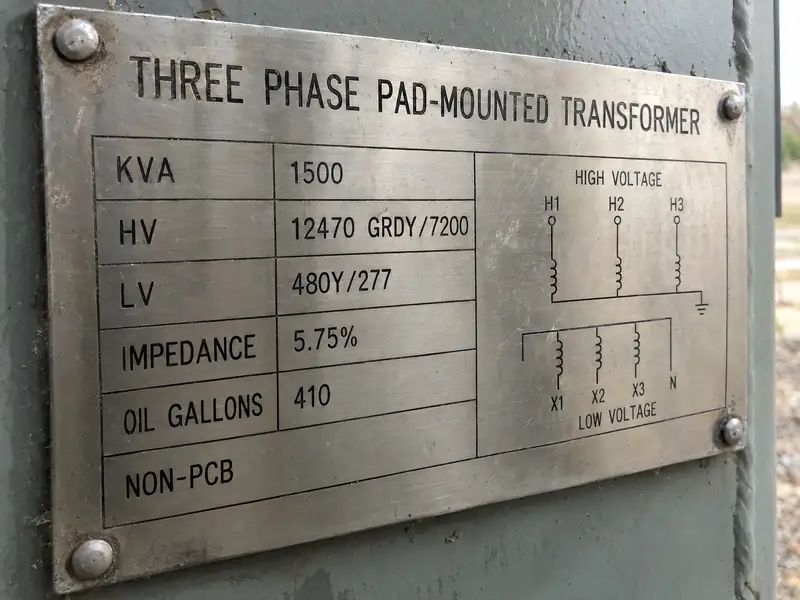
Start with a readable, straight-on nameplate photo and full exterior views taken from a safe, authorized position. Include accessible views of all sides, radiators, bushings, valves, cabinet exterior, accessory plates and ground-level clearances. Do not open compartments to obtain pictures.
Useful nameplate fields include manufacturer, serial number, year, phase, frequency, primary and secondary voltage, connections, taps, impedance, BIL, cooling class, temperature rise, fluid and weight. For mixed lots, identify each unit so its pictures and records stay together. Use the transformer seller intake page to prepare your submission.
04Can I Offer a Damaged, Failed or Untested Transformer?
Yes, submit it with an accurate condition description; acceptance depends on review. Report oil leaks, corrosion, damaged bushings, missing accessories, repairs and any overload, fault or flood exposure. State when it last operated and how it has been stored.
Existing factory and service reports help distinguish documented equipment from an unknown-condition unit. Relevant records may include turns ratio, winding resistance, insulation and dielectric tests, plus liquid dielectric, PCB and dissolved gas analysis records where applicable. This is a records list, not a testing procedure. See reviewing scrap and failed transformers for that equipment category.
05What PCB and Fluid Documentation Is Needed?
Provide fluid type, gallons if known, available laboratory reports and readable PCB labels. A “non-PCB” label does not mean zero PCBs. Under federal TSCA classifications, non-PCB means below 50 ppm; PCB-contaminated means 50 to below 500 ppm; a PCB Transformer contains 500 ppm or more.
Unknown status may require assumptions based on equipment age and fluid until testing or qualifying documentation establishes concentration. California excludes oil containing 5 ppm or more PCBs from its used-oil category; this does not mean every transformer at 5 ppm is automatically hazardous waste.
The correct management pathway depends on testing, documentation and whether the material is equipment for reuse or regulated waste. Rely on qualified environmental professionals for PCB transformer questions and fluid management. This information is not legal advice.
06Who Handles Disconnection, Rigging and Pickup?
The owner’s qualified electrical contractor or serving utility handles de-energizing and disconnection. Tell Rocky whether the transformer is energized, de-energized or already disconnected. Sellers should not isolate equipment, open compartments, drain fluid or move the unit themselves.
The written offer identifies loading, rigging and freight responsibilities. Supply dimensions, operating and shipping weights, lift-point information, crane or forklift access and removal obligations. Large station-class equipment may need specialized transport planning. The transformer removal and pickup guide explains the information needed to evaluate access.
07How Are the Offer and Payment Terms Established?
Rocky reviews the specifications, condition, records, quantity and removal requirements before determining whether to make an offer. Rating, voltage, connections, winding material, accessories and configuration demand all matter; transformer weight alone does not establish value.
A written offer states the price, included equipment, loading and freight responsibilities, and payment terms and timing. Review those terms before pickup rather than assuming a particular payment method or schedule. Reviewing your transformer costs nothing and carries no obligation. The transformer buying process explains the sequence.
08How Do I Start, and What Affects the Schedule?
Call or text Rocky at (951) 403-5738, or submit the website contact form. Send quantity, exact California location, nameplate pictures, exterior photos and condition details. Note any project deadline and whether equipment remains in service.
Review and pickup timing depend on complete records, ownership confirmation, electrical clearance, access, rigging and freight arrangements. No specific response or pickup time is promised. Missing specifications or unresolved fluid status can require follow-up before written terms and removal scheduling.
FAQFrequently Asked Questions
Can I request an offer while the transformer is still operating?
Yes. Identify it as energized and provide existing records and exterior photographs only where safe and authorized. Review can begin without asking you to interrupt service. Any eventual isolation and disconnection must be handled by your qualified electrical contractor or serving utility, with the operating schedule considered before pickup is arranged.
What if the nameplate is missing or unreadable?
Send the available exterior photos and any purchase records, drawings, factory reports or maintenance documents. Explain that the nameplate is missing or unreadable rather than guessing the rating or voltage. Rocky may ask for additional verification. Without reliable specifications, evaluating resale suitability and making an offer can be more difficult.
Does a crated transformer count as new-surplus?
New-surplus means never energized; a crate by itself does not establish that history. Provide purchase and factory records, storage conditions and details of any handling damage or missing parts. Equipment stored outdoors can develop corrosion or other problems even if unused, so photographs and an accurate storage history remain important.
Can I sell several transformers with different ratings together?
Yes, mixed lots can be submitted for review. List the quantity and identify each transformer by serial number or a consistent inventory reference. Match its nameplate, condition and test records to that reference. Also distinguish included accessories from separate switchgear or other equipment so the written offer clearly defines the lot.
Do newer DOE efficiency rules prohibit selling older transformers?
No. DOE distribution-transformer efficiency standards apply to manufacture; they do not automatically make existing used or surplus units illegal to resell. The 2024 final rule sets new levels for units manufactured on or after April 23, 2029. A buyer still needs to evaluate the particular unit’s specifications, condition and intended application.
Is removal automatically included at no charge?
No. Do not assume that loading, rigging or freight is included or free. Those responsibilities are stated in the written offer before pickup. Transformer pickup questions should cover access restrictions, weight, lifting arrangements, site restoration obligations and scheduling constraints so both parties understand the scope before agreeing to removal.