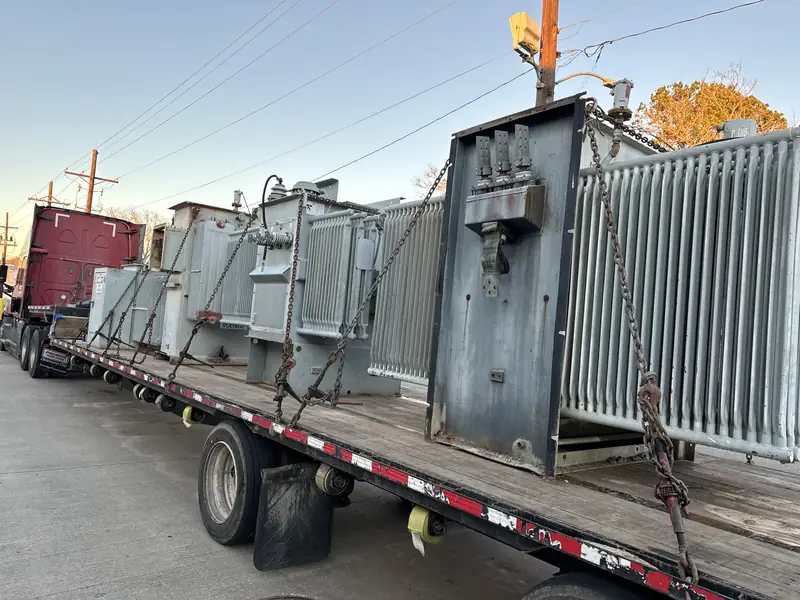
01Transformer Liquidation for Stockrooms, Fleets and Storage Yards
Transformer liquidation works best when the seller defines both the inventory and the clearance objective. Are you selling selected spare units, retiring a rental fleet, clearing a closed business or releasing everything remaining after a project? California Transformer Buyer reviews mixed lots as well as groups of matching units, but purchase decisions depend on the equipment and removal requirements.
A transformer inventory buyer needs more than a total unit count. A yard containing unused pad-mounted transformers, previously energized dry types and damaged station-class equipment has several different review needs. Separating these categories early helps prevent assumptions about condition, included accessories and resale suitability.
Distributors, contractors, utilities, municipalities and authorized representatives can start through the transformer selling intake process. Identify reserved equipment and units that are not part of the sale so the proposed lot has a clear boundary.
- Distributor overstock and canceled customer orders
- Rental fleet retirements and replacement programs
- Utility or municipal surplus storage inventories
- Business closures and authorized receivership sales
- Construction closeouts and unused project spares
02Build an Inventory Spreadsheet That Matches the Equipment
Use one spreadsheet row per transformer and assign each unit a unique inventory ID. Match that ID to its photographs, serial number and document folder. For identical units, separate rows still help track differences in condition, accessories and storage location.
Record actual nameplate values rather than broad descriptions such as “12 kV transformer.” Primary voltage, secondary voltage, phase and connection matter: a 12,000 V delta primary is not the same specification as 12,470GrdY/7,200 V. Record all cooling-stage ratings on larger units, such as 12/16/20 MVA, rather than only the highest rating.
Use “unknown” where information is unavailable. An honest gap is more useful than a guessed weight, winding material or operating history. Keep the spreadsheet editable, and flag changes when equipment is added, reserved or removed from the proposed sale.
| Field group | What to record | Why it matters |
|---|---|---|
| Identification | Inventory ID, manufacturer, serial number, year | Matches each unit to records |
| Electrical ratings | kVA/MVA, phase, HV/LV, connections, taps | Defines application compatibility |
| Design details | Impedance, BIL, cooling, fluid or dry insulation | Distinguishes otherwise similar units |
| Condition | Operating history, damage, leaks, repairs, tests | Supports condition review |
| Logistics | Exact location, dimensions, weight, access | Supports loading and freight planning |
| Sale scope | Accessories, exclusions, ownership, release status | Defines what can transfer |
03Document Condition Before Grouping Units into a Lot
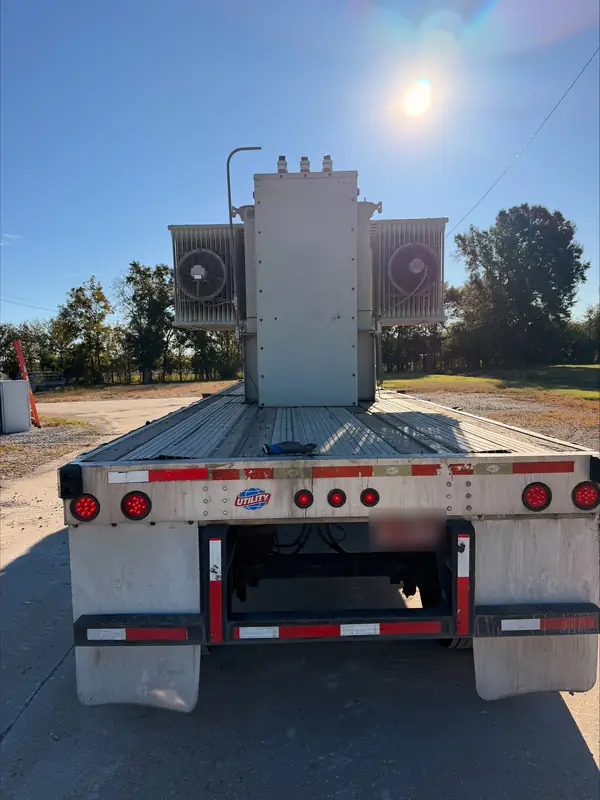
Separate never-energized stock from used equipment. A crate or skid does not by itself establish new-surplus status; include purchase records, factory reports and known storage history where available. The new-surplus transformer selling guide explains the distinction for unused stock.
For used units, record the date last operated, storage conditions, repairs and any known overload, fault or flood exposure. Existing turns-ratio, winding-resistance, insulation and appropriate dielectric reports help review. Liquid-filled equipment may also have fluid, PCB and dissolved-gas analysis records; this list is not a testing procedure or a request for sellers to perform tests.
Photograph equipment only from safe positions you are authorized to access. Provide full external views, readable straight-on nameplates, radiators, bushings, valves, cabinet exteriors and visible accessory or control plates. Include ground-level clearance views where safe, and disclose missing fans, gauges, switches, elbows or other components.
Keep failed or materially damaged units identifiable rather than describing the entire lot as serviceable. Their evaluation may differ from reusable stock; see review requirements for scrap and failed transformers.
04Compare Whole-Lot Offers with Per-Unit Terms
When you want to liquidate transformer inventory, distinguish a whole-lot offer from an offer for selected units. A whole-lot proposal states one amount for a defined group. A per-unit proposal identifies individual amounts and makes it easier to see which equipment is included or excluded.
Neither format automatically solves every clearance requirement. A bulk transformer buyer may need additional records on some units before deciding whether to include them. If clearing the full yard is essential, say so at intake and ask whether any equipment or materials would remain after pickup.
Review scope alongside the offered amount. Rigging, loading, freight, missing accessories and removal obligations affect the transaction. The written offer should identify inventory IDs, included components, exclusions, who handles each task and payment terms. The transformer review and purchase process follows this written-terms approach.
- Confirm whether acceptance applies to the entire lot or selected units.
- Identify loose accessories associated with each transformer.
- State whether staged pickups are acceptable.
- Resolve inventory changes before accepting revised terms.
05Use Site Visits to Resolve Access and Inventory Questions
Photos and a spreadsheet support the initial review. Where needed, a site visit can help reconcile inventory IDs, visible condition, loading access and clearances before terms are finalized. Discuss the need and scope with Rocky; a visit is not a substitute for electrical testing or proof of ownership.
Identify gate restrictions, appointment requirements, pavement conditions, overhead obstructions and space for a forklift or crane. Equipment dimensions, operating and shipping weights, and documented lift or rigging points help qualified parties plan handling. Large substation and power transformers can require a different transport plan from smaller padmount or dry-type units.
Report energized status and disconnected condition separately. Only qualified personnel may open electrical compartments after proper isolation, lockout, voltage verification and grounding as applicable. The owner's qualified electrical contractor or serving utility handles electrical isolation, including potential backfeed from solar, batteries or generators.
06Schedule Multi-Truck Removal Around Site Constraints
A large inventory may require multiple loads rather than one pickup. Planning should account for each unit's shipping weight, dimensions, access and available loading windows. A load sequence should also account for transformers positioned behind other equipment without assuming the seller will move them.
Discuss staged removal, yard operating hours, escort requirements and who provides qualified rigging and loading services. The written terms should explain freight responsibility and payment timing, including how those terms apply to separate pickups. Avoid relying on an informal assumption that every unit leaves together.
Oversize or overweight loads can require Caltrans permits on state highways and separate local approvals. Large transformers may need transport preparation by qualified specialists. Review transformer removal and pickup planning before committing to a closure date or surrendering access to the property.
07Confirm Sale Authority, Confidentiality and Fluid Records
The seller must own the equipment or have authority to sell it. Utility-owned transformers on private property cannot be sold by the property owner. Utility and municipal inventories may require release documentation; bankruptcy or receivership transactions should identify the authorized representative and any required approvals.
If the liquidation is sensitive, discuss confidentiality requirements before sharing detailed inventory or site information. Specify authorized contacts, restrictions on photography and whether a confidentiality agreement is required. Do not assume a blanket confidentiality arrangement exists without agreed terms.
For liquid-filled units, provide available PCB labels, test reports and fluid documentation. A “non-PCB” designation does not mean zero PCBs, and unknown status may require testing or qualifying records. California has stricter rules for PCB-containing oil; leaking units, drained oil and failed equipment need an appropriate environmental determination.
Rely on testing, documentation and qualified environmental professionals to establish the correct management pathway. A working transformer sold for reuse is equipment, but that does not resolve every waste or fluid-handling question in a mixed lot. This is not legal advice.
08Send Rocky Your California Transformer Stock List
To sell transformer stock, call or text Rocky at (951) 403-5738 with the quantity, California location, equipment types and your clearance objective. Send the spreadsheet and available photos through the contact form to request an offer, or start by texting representative nameplate and overall photos.
Include your deadline, ownership or sale authority, condition records and known loading restrictions. Rocky reviews the information and asks follow-up questions before a written offer. Reviewing your transformers costs nothing, and there is no obligation; pickup and payment follow the agreed written terms if a sale proceeds.
FAQTransformer Liquidation FAQ
Can I submit a partial inventory before every transformer is documented?
Yes. Start with the known quantity, California location, equipment categories and representative photographs. Explain which records are incomplete and whether the count is still changing. An initial review can identify the missing information, but the final sale scope needs to match identifiable equipment. Do not treat a preliminary list as confirmation that every unit will be purchased.
Does a large quantity guarantee that the full lot will be purchased?
No. Quantity is one consideration, along with ratings, condition, documentation, configuration demand and removal complexity. A large lot may contain both reusable equipment and units requiring a different evaluation. State clearly if complete clearance is a requirement so any proposed offer can be reviewed against that objective, including exclusions and equipment that would remain.
Can transformers at multiple California locations be reviewed together?
Yes. Identify each site separately in the spreadsheet and assign every transformer to its exact location. Include a site contact, access restrictions and removal deadline for each property. Multiple locations can have different loading and freight requirements, so the written offer and pickup plan should distinguish those obligations rather than treating the inventory as one physical yard.
What if several matching transformers have only one factory test report?
Identify which serial number the report covers and whether additional reports exist. Do not present a single-unit report as proof that every matching transformer has the same tested condition. Units with the same model or rating can have different service and storage histories. Keep individual serial numbers, condition notes and supporting records tied to each inventory row.
Will older efficiency standards prevent me from selling surplus stock?
DOE distribution-transformer efficiency standards apply to manufacture; existing used or surplus transformers are not made illegal to resell simply by a later standard. Still, manufacturing date, specifications and documentation matter when reviewing equipment for a potential application. Provide the actual nameplate and factory records rather than assuming that age alone establishes either compliance or resale suitability.
What happens if units are removed from the inventory after an offer?
Tell Rocky before pickup and provide a revised list showing the affected inventory IDs. Removing units, substituting equipment or changing included accessories can change the basis of the offer and loading plan. Have any revised scope and terms confirmed in writing. This is especially important when other buyers, contractors or project teams also have access to the stock.