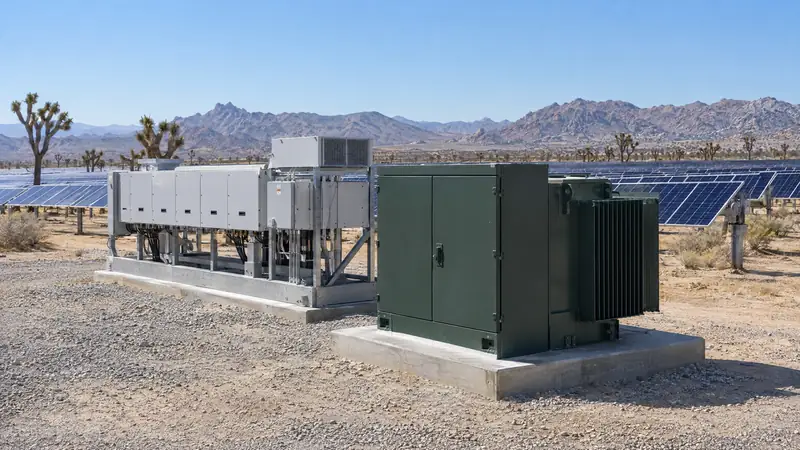
012500 kVA Transformer: A Common Three-Phase 2.5 MVA Size
A 2500 kVA transformer is rated for 2.5 MVA. It is a preferred three-phase rating in the IEEE C57.12.00-2015 standard series, and it is a common size for large commercial and solar projects. In the pad-mount market, three-phase units predominate; single-phase power-bank components at this rating are less common.
For sellers, the rating is only one part of the identification. The same capacity can describe different voltage combinations, winding connections, cooling methods and intended duties, so a buyer needs the full nameplate and a clear view of the equipment. Compare a nearby capacity with our pages for 2000 kVA transformers and 3000 kVA transformers if the plate shows a different rating or multiple stages.
FLAFull-Load Amps for a 2500 kVA Transformer
Rated full-load current at common California voltages. Single-phase: amps = kVA × 1000 ÷ volts. Three-phase: amps = kVA × 1000 ÷ (1.732 × volts). Use the nameplate voltage of your unit.
| Phase | Voltage | Full-load amps |
|---|---|---|
| Three-phase | 480 V | 3,007 A |
| Three-phase | 600 V | 2,406 A |
| Three-phase | 4.16 kV | 347 A |
| Three-phase | 12 kV | 120 A |
| Three-phase | 12.47 kV | 116 A |
| Three-phase | 20.78 kV | 69.5 A |
| Three-phase | 34.5 kV | 41.8 A |
02Which 2500 kVA Transformer Types Are Common?
A 2500 kVA unit may be a three-phase pad-mount transformer, medium-voltage dry-type or cast-resin transformer, secondary unit substation, network transformer, solar inverter step-up unit, battery energy storage system (BESS) transformer or substation power transformer. The application and installation determine which configuration is appropriate; the kVA rating alone does not identify the type.
Pad-mount units are used for large commercial services and solar applications. Dry-type and cast-resin units may serve indoor or other installations where a dry insulation system is specified. A unit substation combines a transformer with a close-coupled primary and secondary arrangement, while larger project equipment may be designed for substation or inverter duty.
- Outdoor three-phase pad-mount: common for large commercial and solar use.
- Dry-type or cast-resin: used where the project specifies dry insulation.
- Unit substation or network: identify the connected equipment and service.
- Solar, BESS or substation: confirm the intended duty from the plate and records.
Recognize the construction before describing the unit
Photos can help distinguish a cabinet-style pad-mount from a dry-type assembly or a larger substation transformer with cooling equipment. See our information on three-phase pad-mount transformers, medium-voltage dry-type transformers, cast-resin transformers and unit substation transformers.
03Typical Voltage Combinations and Loads in California
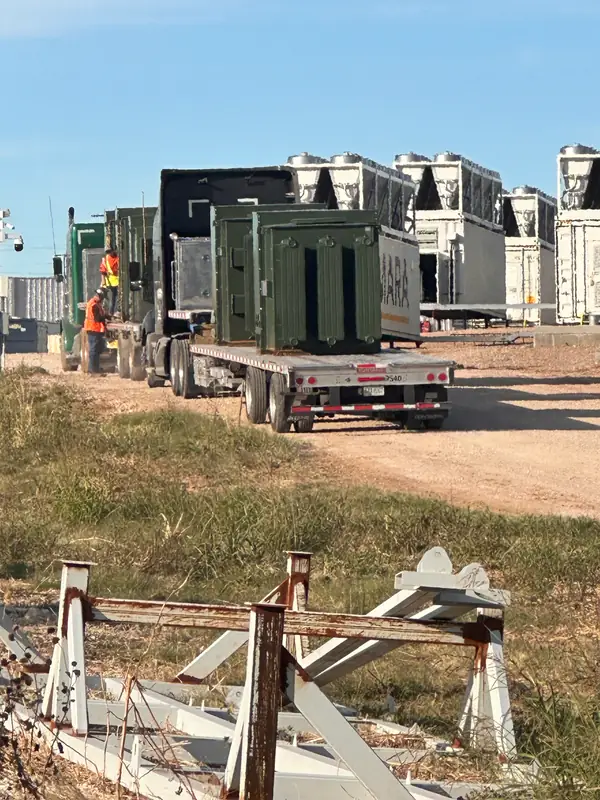
A 2500 kVA unit may have a medium-voltage primary and a low-voltage secondary, but its actual voltages must come from the nameplate. Common California pad-mount primary classes include 12 kV, 16 kV, 21 kV and 34.5 kV. Examples include 12,000 V delta, 12,470GrdY/7,200 V and 20,780GrdY/12,000 V; these are not interchangeable, and utility and project requirements vary.
Common three-phase secondary systems include 480Y/277 V and 208Y/120 V. A 600 V secondary is less common in California. At this capacity, possible loads include large commercial facilities, industrial or data-center blocks, solar inverter systems, battery storage and substation service. Confirm primary voltage, secondary voltage, winding connection and taps against project records and the actual nameplate.
04How to Read the 2500 kVA Full-Load Amps Chart
The full-load amps chart rendered on this page shows calculated current for listed three-phase voltage options. Find the row matching the unit's phase and winding voltage, then use the corresponding current as a reference for the transformer's rated load at that voltage. Do not substitute a different voltage or use a single-phase value for a three-phase transformer.
The chart is a rating reference, not a protection setting or confirmation that a particular installation can carry that load continuously. Nameplate details such as phase, voltage, taps and connection still control identification. For more on the relationship between capacity and current, see how to read transformer kVA and amps.
05Size, Weight and Handling Depend on Construction
A 2500 kVA transformer is substantial equipment, but there is no dependable single dimension or weight for every unit at this rating. A pad-mount cabinet, dry-type assembly and substation transformer can differ significantly in footprint, height and total mass. Dimensions and weight vary by manufacturer, voltage, cooling design, tank or enclosure, accessories and whether the equipment is shipped as one assembly.
Use the nameplate and any shipping or factory records for total weight and, where provided, tank-and-fittings and core-and-coil weights. Photos should show the overall unit and its surroundings from a safe position, without entering restricted areas or opening equipment. In the written offer, we state who handles loading or rigging and freight; the owner's qualified contractor or serving utility is responsible for electrical isolation and disconnection.
06What Affects the Value of a Used 2500 kVA Transformer?
The value of a used or surplus 2500 kVA transformer depends on its complete specification and condition, not capacity alone. Voltage combinations and configurations that match California project needs can affect buyer demand, as can whether the unit is new-surplus, previously energized, tested, complete and available for reuse.
Important details include manufacturer and year, phase, primary and secondary voltages, tap positions, impedance, BIL, cooling class, temperature rise, winding material and fluid type. Condition issues such as leaks, corrosion, bushing damage or missing accessories matter. Factory or field test reports and PCB documentation can help establish what the equipment is and how it has been maintained. See factors that affect a used transformer's value.
- Nameplate rating, phase, voltages, connections and taps
- Condition, completeness and new-surplus or used status
- Test reports, maintenance records and PCB documentation
- Accessories, quantity, location and site access
- Loading, rigging and freight requirements
07What to Send a 2500 kVA Transformer Buyer
For an offer, send a clear nameplate photo, overall photos, the unit's California location, quantity and a brief description of its condition. Include test reports, maintenance records and available fluid or PCB records. If there is no readable plate, send the best available photos and explain which identifying details are missing.
Useful nameplate fields include manufacturer, serial number, year, kVA rating and stages, phase, frequency, HV and LV voltages, connection, tap positions, impedance, BIL, temperature rise, cooling class, fluid type and gallons, and weight. Tell us whether the transformer is still installed, whether it is new-surplus or used, and what access or removal constraints may affect pickup. Only take photos of equipment you own or are authorized to access, from a safe position.
- Text photos and details to Rocky at (951) 403-5738, or use the contact form to request an offer.
- Rocky may ask follow-up questions about test records, ownership, PCB or fluid documents, and site access.
- The written offer states the price, included items, who handles loading or rigging and freight, and payment terms and timing.
- Reviewing your transformer costs nothing and creates no obligation.
kVANearby Transformer Sizes We Buy
FAQ2500 kVA Transformer FAQ
Do you buy a 2500 kVA transformer anywhere in California?
California Transformer Buyer purchases used, surplus and new-surplus electrical transformers from sellers located in California. Send the unit's location, photos, quantity and condition so Rocky can review the opportunity. The seller must own the transformer or have authority to sell it; equipment that belongs to a utility cannot be sold by a property owner.
Can I sell a 2500 kVA transformer without test reports?
You can still send the nameplate and photos if test reports are not available. Records such as factory tests, insulation resistance, turns-ratio results or fluid testing can help assess the unit, but their absence does not replace the need to identify its specifications and condition. Be clear about which records you have and which are unavailable.
Will you buy a 2500 kVA unit that is still installed?
An installed transformer can be reviewed, but any offer and pickup plan depends on the equipment, ownership, condition and site access. Do not de-energize, disconnect, open or move the unit yourself. Electrical isolation and disconnection must be handled by the owner's qualified electrical contractor or the serving utility.
What if the transformer has unknown PCB status?
Send the available labels, records and test documentation; do not assume that an oil description or a missing label establishes PCB status. Requirements depend on testing, documentation and the equipment's history, and California has specific rules for PCB-containing oil. Sellers should rely on qualified environmental professionals for determinations and handling decisions. This information is not legal advice.
Does a 2500 kVA rating mean the unit is three-phase?
No. Three-phase is predominant in the 2500 kVA pad-mount market, but the verified preferred rating series includes 2500 kVA for single-phase as well. Check the nameplate's phase field and connection diagram instead of inferring phase from capacity. If the plate is unreadable, send photos and describe the equipment as accurately as possible.
How do pickup and payment terms work?
After reviewing the specifications and details, Rocky provides a written offer that states the price, what is included, who handles loading or rigging and freight, and payment terms and timing. Removal is scheduled under those written terms. Access, equipment condition and the site plan can affect pickup arrangements, so share known constraints before accepting an offer.