01A Transformer Buyer for San Joaquin Valley Businesses
If you need a transformer buyer in the San Joaquin Valley, California Transformer Buyer works with California sellers of used, pulled, surplus, new-surplus and decommissioned equipment. The service area includes Kern, Fresno, Tulare, Stanislaus, San Joaquin and Merced counties. A seller may have one spare unit, equipment left from a project, or multiple transformers from a facility or property.
The unit’s type and condition matter more than a general description such as “old transformer.” California Transformer Buyer reviews nameplate details, photos, available test and environmental records, ownership authority, quantity, access and removal requirements before making a written offer. To understand the basic process and what information to send, see how to sell a transformer near you.
DIRCities in This Region
- Bakersfield, CASell used, surplus or new-surplus transformers in Bakersfield with a written offer and pickup responsibilities confirmed before removal.
- Fresno, CAFresno transformer sellers can submit equipment details and photos to request a written offer and clarify pickup responsibilities.
- Visalia, CALearn what transformer information to share and how to plan a potential sale and pickup in Visalia, California.
- Modesto, CAModesto transformer sellers can request a review of used, surplus and new-surplus equipment by sharing photos, location and condition.
- Stockton, CASell privately owned transformers in Stockton with nameplate review, written purchase terms and site-specific pickup planning.
- Merced, CALearn what transformer details to send, how Merced utility service affects identification, and what to expect when arranging pickup.
02Why the Valley’s Industrial Mix Creates Different Transformer Lots
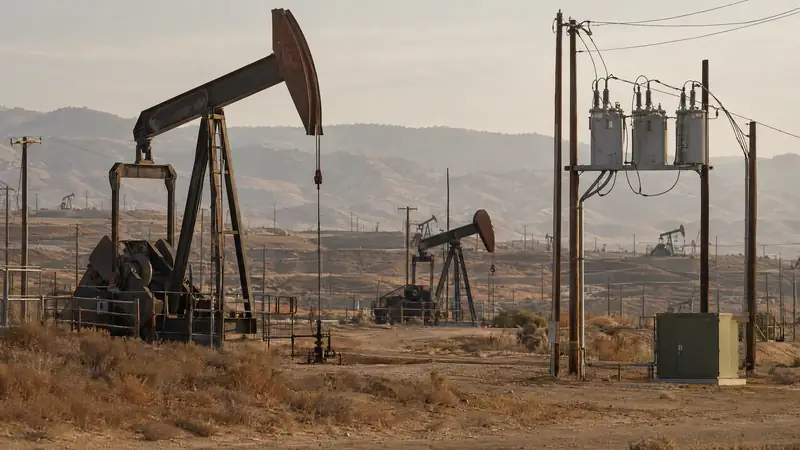
Agriculture, food processing, manufacturing and distribution are central to the region. These operations may have pad-mounted distribution transformers serving buildings or processing equipment, dry-type units inside facilities, and spare or project-leftover equipment held for maintenance. Warehouses and distribution sites can also have unit substations or medium-voltage equipment associated with their electrical service.
Kern County adds oil, gas, solar and wind energy activity. Energy-sector sites may have larger power or substation transformers, solar inverter step-up units, or other specialty equipment. Stockton’s inland deepwater port connects ship, rail and truck activity, and its surrounding businesses include warehousing, bulk cargo handling and agriculture-linked trade. Transformer type and rating vary by site; do not assume that a unit is suitable for resale based on industry alone.
- Agriculture and food production facilities
- Manufacturing and processing plants
- Warehouses and distribution centers
- Oil, gas, solar and wind operations
- Port and bulk cargo properties
03Utilities and Distribution Voltages Must Be Confirmed by Address
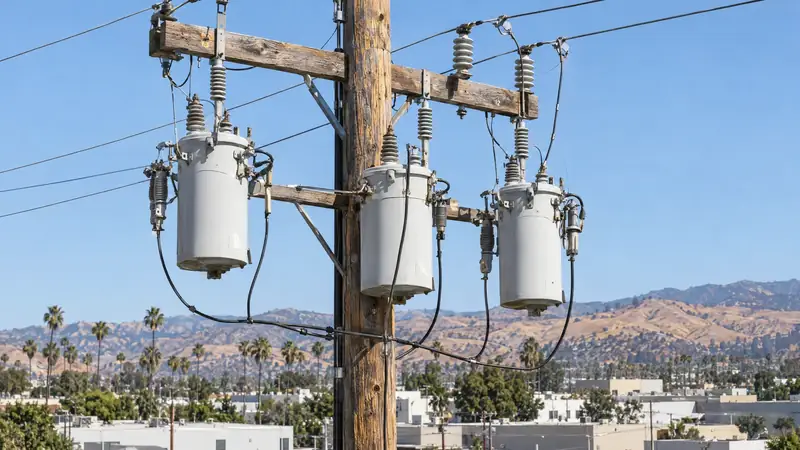
The San Joaquin Valley includes Pacific Gas and Electric (PG&E), Southern California Edison (SCE), and irrigation-district electric utilities. Service can change between nearby locations, and a property’s serving utility may not be the same as the utility serving a nearby city or parcel. In Stockton, Port of Stockton electric service applies on port properties; in parts of the region, local district service also matters.
PG&E distribution systems include 12 kV and nominal 21 kV service, while SCE has documented 4 kV, 12 kV and 16 kV distribution, with 25 kV and 33 kV also documented. These are system references, not confirmation of a site’s primary voltage. Specific voltage information is not verified here for Modesto Irrigation District, Turlock Irrigation District or Merced Irrigation District. Check the actual utility and transformer nameplate before describing a unit or planning a replacement.
| Location | Utility context | Voltage note |
|---|---|---|
| Bakersfield | PG&E; SCE in parts of surrounding/southern area | Confirm service and nameplate |
| Fresno | PG&E | PG&E systems include 12 and nominal 21 kV |
| Visalia | SCE | SCE systems include 4, 12 and 16 kV |
| Modesto | MID; TID south of Tuolumne River | District voltages not verified |
| Stockton | PG&E; port service on port properties | Confirm service and nameplate |
| Merced | PG&E and Merced ID; split service | District voltages not verified |
04Transformer Types That Valley Sellers May Have
A used transformer buyer will need to know whether equipment is a distribution unit, a larger station-class transformer or a specialty design. Smaller facilities may have single-phase or three-phase pad-mount units, pole-mount transformers, dry-type units or unit substations. Larger industrial and energy properties may have power transformers, generator step-up equipment or solar and wind collection transformers.
New-surplus units are typically never energized and may remain crated or on skids. Used and pulled units need a clear description of condition, missing components and any available testing. For more on evaluating equipment that has been in service, review the used transformer buying process. California Transformer Buyer also considers new-surplus and mixed lots; the actual rating, condition and records determine whether a particular unit fits.
- Pad-mount and pole-mount distribution units
- Indoor dry-type transformers and unit substations
- Station-class and substation transformers
- Solar, wind and generator step-up units
- Spare, project-leftover and mixed lots
05What to Send for a San Joaquin Valley Transformer Review
Start with clear photos of the nameplate and the overall equipment, taken from a safe position and only where you are authorized to access it. Include the facility or city, quantity, known condition and whether the unit is used or new-surplus. Do not open compartments or handle equipment to get a photo; qualified electrical personnel manage access and electrical work.
Nameplate details help identify the transformer and compare it with potential demand. Useful fields include kVA or MVA rating, phase, primary and secondary voltage, taps, connection, impedance, cooling class, year, fluid type and weight. If available, send factory test reports, oil or PCB documentation, and details of accessories or known damage. Photos and records help avoid assumptions about a rating or configuration.
- Nameplate and overall photos
- Quantity, location and condition
- Voltage, phase and kVA/MVA rating
- Test reports and fluid or PCB records
- Ownership authority and site-access details
06Pickup, Rigging and Hauling Are Defined Before Removal
After reviewing the information, Rocky may ask follow-up questions about testing, ownership, environmental records, site access and removal. Any written offer states what is included, who handles loading or rigging and freight, and the payment terms and timing. Removal is scheduled after those terms are agreed in writing, so the seller knows the planned responsibilities before pickup.
Transformer size, weight, access route and loading conditions affect how equipment can be hauled from a site. Oversize or overweight loads on state highways may require Caltrans permits, and local roads can require separate approvals. Large station-class units may need specialized transport planning. De-energizing, disconnecting and preparing equipment for removal must be handled by the owner’s qualified electrical contractor or serving utility—not by the seller. See transformer removal and pickup planning for more about coordinating those responsibilities.
07Cities Served Across the San Joaquin Valley
California Transformer Buyer serves sellers across the valley, not only in one city or county. Regional access includes routes such as SR-99 and I-5, along with connecting highways; the specific site, equipment and hauling route determine logistics. Share the exact city and site access details when requesting a review.
For local information, visit the pages for Bakersfield transformer sellers, Fresno transformer sellers, Visalia transformer sellers, Modesto transformer sellers, Stockton transformer sellers and Merced transformer sellers.
FAQSelling a Transformer in San Joaquin Valley: FAQ
Does California Transformer Buyer buy one transformer, or only large lots?
Both single units and larger lots can be reviewed. The company considers used, pulled, surplus, new-surplus, decommissioned and spare transformers, as well as project leftovers and mixed lots. A review is not a promise to purchase every unit. Send the quantity, equipment photos, nameplate details, location and known condition so Rocky can assess the specific lot.
Can I sell a transformer that belongs to the utility?
You must own the transformer or have authority to sell it. Equipment installed on private property is not automatically property-owner equipment; utility-owned transformers cannot be sold by the property owner. If ownership is unclear, check facility, purchase or utility records before requesting an offer. The buyer may ask for ownership information during review.
What if the transformer’s voltage is unknown or the label is unreadable?
Send the clearest nameplate and equipment photos you can safely take, along with any drawings, purchase records, test reports or maintenance documents available. Do not open the unit or attempt electrical work to identify it. A qualified electrical professional or the serving utility can help establish equipment details. The buyer may need more information before evaluating an offer.
Will a leaking or failed transformer still be considered?
Describe leaks, known failure, visible damage, missing parts and any available test results accurately. Condition affects whether a unit can be evaluated for reuse or needs a different disposition, and a review does not guarantee purchase. Leaking equipment, drained oil and failed units require proper environmental and waste determinations; rely on testing, records and qualified environmental professionals, not assumptions.
How should I handle PCB or oil records before asking for an offer?
Share existing labels, test results, oil records and other documentation, but do not drain or sample the transformer yourself. PCB status and the appropriate management pathway depend on testing and documentation; California has specific rules for PCB-containing oil. Sellers should rely on qualified environmental professionals for determinations. This information is general, not legal advice.
How do I contact Rocky about a San Joaquin Valley unit?
Call or text Rocky at (951) 403-5738, or submit the website contact form. Include your name, facility location, transformer quantity, condition and photos of the nameplate and overall unit. If you have reports, fluid or PCB documentation, and access details, mention those too. Reviewing a transformer costs nothing and creates no obligation to accept an offer.