01Electrical Contractors: Sell Surplus Transformers After Project Changes
Electrical contractors can end up with unused equipment after design revisions, canceled work or a change in service requirements. Contractor surplus transformers may also include customer-owned units removed during upgrades, provided the contractor has authority to sell them.
Separate never-energized equipment from previously energized units when describing a lot. Include original factory reports if available, and note whether crates, accessories or installation records remain. Our page for electrical contractors selling surplus transformers covers this seller category in more detail.
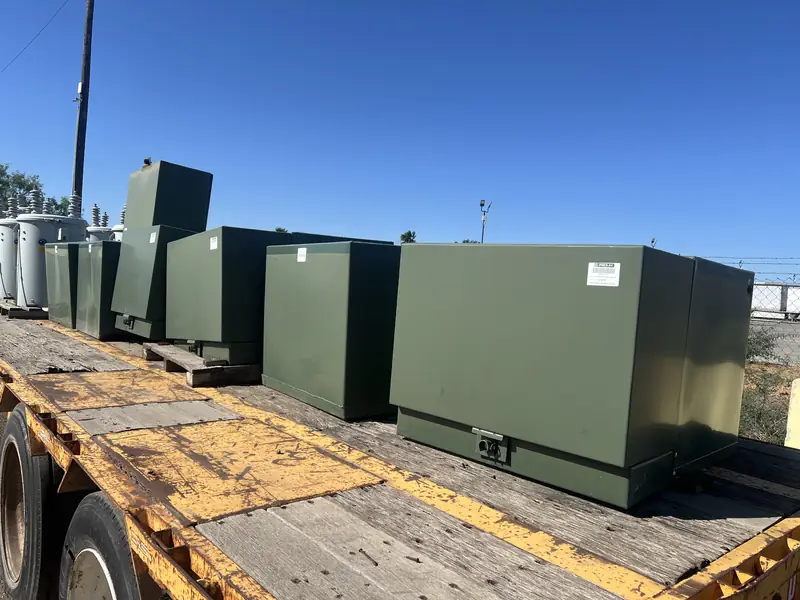
- Uninstalled pad-mounted transformers from revised projects
- Dry-type units left after tenant improvements
- Removed customer-owned equipment from service upgrades
DIRSellers We Work With
- Electrical ContractorsA practical guide for California electrical contractors with surplus, returned, or project-leftover transformers to sell.
- Solar Developers & EPCsA practical guide for California solar developers and EPCs selling spare, project-leftover and repowering transformers.
- Battery Storage (BESS) ProjectsA practical guide to selling spare, used, and surplus transformers from California battery storage projects.
- Data CentersA practical guide to selling used and surplus data center transformers in California, from equipment details to pickup planning.
- Utilities & Municipal UtilitiesA practical guide for California utilities and municipal utilities selling surplus, retired or spare transformers.
- Manufacturing & Industrial PlantsA practical guide to selling surplus plant transformers in California, from nameplate records and condition details to pickup planning.
- Oil & Gas OperationsSell surplus oilfield transformers in California with practical guidance on nameplates, ownership, fluid records and site access.
- Agriculture & Water DistrictsPractical guidance for California agriculture and water operations selling used, surplus, or new-surplus transformers.
- Commercial Property Owners & ManagersPractical guidance for California commercial property owners and managers selling surplus transformers after building changes or equipment upgrades.
- Demolition & Decommissioning ContractorsA practical guide to selling transformers recovered during California demolition and decommissioning work.
- Distributors & Rental FleetsSell California distributor overstock and retired rental transformers with unit-specific review and written pickup terms.
- EV Charging DevelopersPractical guidance for California EV charging developers selling spare, used or new-surplus transformers.
- Hospitals, Schools & CampusesSell California hospital, school and campus transformers with practical guidance on documentation, ownership and scheduled pickup.
02Solar Developers and EPCs: Leftover Inverter Step-Up Equipment
Solar project surplus transformers can result from revised inverter selections, changed collection-system layouts or reduced project scope. A spare purchased for construction may also become available once the owner settles its long-term maintenance inventory.
For inverter step-up equipment, send the actual primary and secondary voltages, winding connections, kVA or MVA rating and cooling class. A description such as “solar transformer” does not establish compatibility. Collection systems may use 34.5 kV, but the nameplate—not the project category—controls the specification.
Identify whether the unit was installed or energized and whether factory test documentation is available. See the solar developer and EPC transformer selling page for this project category.
03Battery Storage Projects: Revised Blocks and Spare Units
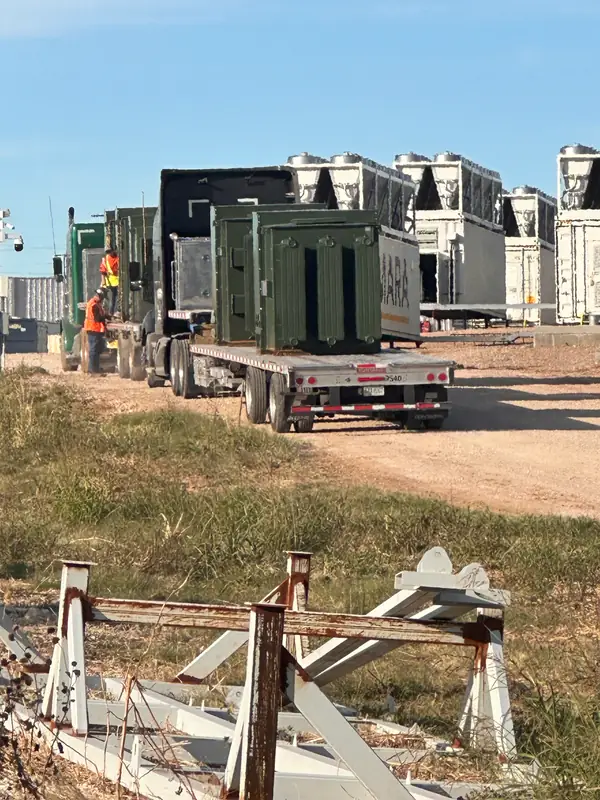
Battery energy storage projects may release transformers when power-conversion equipment, block sizes or interconnection plans change. Surplus can include unused project equipment, spare transformers or units removed during a system modification.
Describe the transformer itself rather than only the battery project's MW or MWh capacity. Transformer ratings, voltage connections, impedance and accessories are separate specifications. Include any available documentation identifying the unit's intended electrical configuration.
Solar, batteries and generators can create backfeed hazards. Only qualified personnel should isolate equipment; sellers should provide existing records and photos taken from an authorized, safe position. Our battery storage transformer seller page addresses BESS equipment.
04Data Centers: Capacity Changes and Retired Distribution Equipment
Data center surplus transformers may come from phased construction, revised capacity plans or replacement of existing electrical distribution. Available equipment can include liquid-filled padmount units, unit substations and low- or medium-voltage dry-type transformers.
Keep each transformer associated with its own nameplate and maintenance records. Similar-looking units can differ in impedance, temperature rise, winding connection or cooling arrangement. For equipment formerly close-coupled to switchgear, note what adjoining equipment and accessories are included in the sale.
Operating history and test reports help distinguish a documented spare from an unverified removed unit. Visit the data center transformer selling page for more about this seller category.
05Utilities and Municipal Utilities: Inventory and System Changes
Utility surplus transformers can become available through inventory consolidation, voltage conversions or retirement of station equipment. California Transformer Buyer reviews distribution units, spare equipment and larger substation or station-class transformers offered by authorized sellers.
Use exact nameplate voltages rather than a regional shorthand. California systems differ: SCE has documented 4 kV, 12 kV and 16 kV distribution, while SMUD uses 12 kV and 21 kV primary distribution. Neither location nor utility territory establishes an individual unit's rating.
Include inventory identifiers, available test records and any disposition requirements. The utility and municipal utility seller page covers this category. California Transformer Buyer is not affiliated with or endorsed by any utility.
06Manufacturing Plants: Line Closures and Electrical Upgrades
Manufacturing facilities may have transformers available after production-line closures, equipment replacements or facility consolidation. Plant inventories can contain general distribution equipment alongside specialized drive isolation, rectifier or furnace transformers.
Specialty units need more detail than a general kVA description. Send connection diagrams and application records where available, along with information about missing components, leaks or known faults. A common 480Y/277 V secondary and an application-specific configuration serve different potential buyers.
For mixed lots, distinguish working spares from failed equipment. Our manufacturing and industrial plant transformer page explains this seller category.
07What Every California Seller Should Document
Industry explains why equipment is available; specifications and condition determine whether it fits another application. Start with readable nameplate photos and overall views. For multiple units, identify each one so photographs and reports do not become mixed.
For liquid-filled units, provide existing fluid and PCB records. “Non-PCB” does not mean zero PCBs, and California has stricter rules for PCB-containing oil. Sellers should rely on testing, documentation and qualified environmental professionals for the correct management pathway; this is not legal advice.
Only photograph equipment you are authorized to access, from a safe position. Do not open compartments or handle equipment to obtain information. The transformer seller guides provide additional preparation guidance.
- Manufacturer, serial number, year and quantity
- All kVA/MVA ratings, phase and voltage connections
- Condition, operating history and available test reports
- California location, ownership and site-access limits
08Request a Written Offer Before Planning Pickup
Call or text Rocky at (951) 403-5738, or use the transformer offer request form. California Transformer Buyer is based in Riverside County and serves sellers throughout California. Reviewing your transformer costs nothing and carries no obligation.
Rocky reviews the information and may ask about ownership, test reports, fluid records or access. Any written offer states what is included, who handles loading or rigging and freight, and payment terms and timing. Removal is scheduled according to those terms; qualified contractors or the serving utility handle electrical isolation and disconnection.
FAQWho We Buy From FAQ
Can a property owner sell the transformer serving a building?
Only if the owner owns the transformer or has authority to sell it. Equipment located on private property may still belong to the serving utility. Confirm ownership through purchase records, service documents or the utility before offering it. Site location alone is not proof of ownership.
Do you review equipment from industries not listed here?
Yes. These categories describe common sellers, not an exclusive list. California property owners, facility managers and other authorized sellers can submit used, surplus or new-surplus transformers for review. The important details are California location, ownership, specifications, condition and access—not the seller's industry label.
Can we offer a mixed lot instead of individual transformers?
Yes, California Transformer Buyer reviews single units through full yards, including mixed lots. Provide a unit-by-unit list where practical, with matching nameplate photos and condition notes. Identify missing records rather than assuming every unit has the same specifications. Review does not guarantee purchase of every item.
Is an unused transformer automatically considered new-surplus?
New-surplus means the transformer has never been energized; it may be crated or stored on skids. Appearance alone does not establish that status. Describe its installation and storage history honestly, including damage or missing accessories. Factory documentation and original packaging can help establish what the unit is and what remains included.
Can we start a review while equipment is still operating?
You can start with existing records and safely accessible photographs while explaining that the transformer remains in service. Include the anticipated availability and who controls the shutdown schedule. Do not disconnect or move it for a review. Electrical isolation belongs to the owner's qualified electrical contractor or serving utility.
Will a failed transformer be evaluated the same way as a working spare?
No. Disclose known failures, leaks and damage so the equipment can be assessed appropriately. A documented working spare may have reuse potential that a failed unit does not. Failed or leaking equipment also needs a proper environmental determination; sellers should consult qualified professionals rather than assume ordinary equipment-sale handling applies.