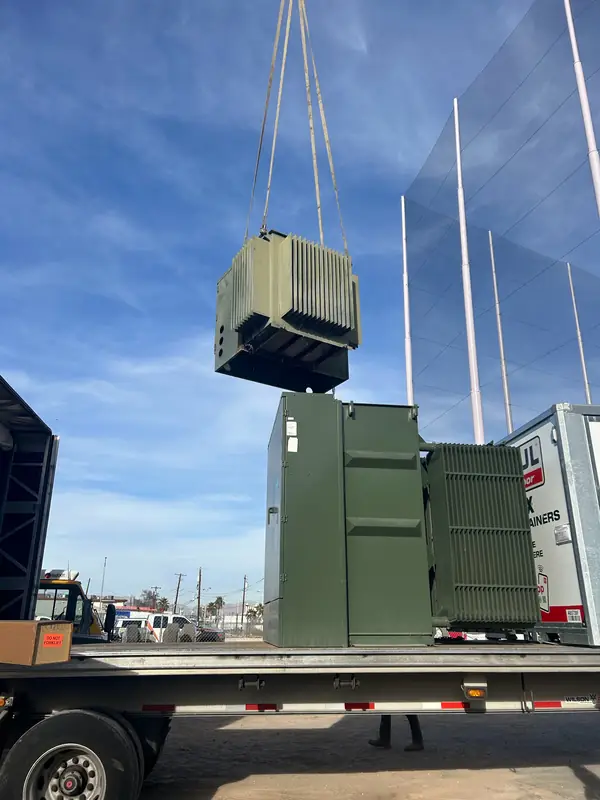
01What a Used Transformer Buyer Needs to Review
A transformer is used once it has been energized, even if it operated only briefly or now looks nearly new. California Transformer Buyer reviews pulled units, decommissioned equipment, previously operated spares and transformers scheduled for replacement. Single units and mixed lots can be submitted, but purchase depends on the equipment and proposed terms.
Start with quantity, exact California location and confirmation that you own the equipment or have authority to sell it. Include whether each unit is energized, de-energized or disconnected; those are different conditions. A property owner cannot sell a utility-owned transformer simply because it sits on the property.
For the basic submission process, see how to sell your transformer. If a unit was never energized, identify it separately using the new-surplus transformer information rather than describing it as used.
- Readable nameplate photo and safe exterior photographs.
- Reason for replacement and date last operated.
- Known faults, repairs, leaks or missing accessories.
- Ownership documentation and utility release, if applicable.
02Describe Condition With Evidence, Not Just “Working”
Condition grading should separate operating history, visible condition and verified electrical condition. “Working when removed” is useful history, but it is not a current test result. A clean cabinet also does not establish the condition of windings, insulation or insulating liquid.
Describe what you know and label uncertainty. For example: “Removed during a service upgrade, last operated in June, no known trip event, stored outdoors, recent tests unavailable.” That is more useful than an unsupported claim that the unit is in excellent condition.
Report overloads, protective trips, fault exposure, flooding and repairs even if the transformer later returned to service. For equipment with known failure or major damage, consult the information for scrap and failed transformers. Failed equipment requires a different assessment from a documented operating unit.
| Condition description | Supporting information | What remains uncertain |
|---|---|---|
| Still operating | Current service history and maintenance records | Post-disconnection electrical condition |
| Removed while operating normally | Removal reason and last operating date | Changes during handling or storage |
| Stored used spare | Storage duration, conditions and earlier tests | Present insulation and accessory condition |
| Damaged or failed | Fault details, photographs and repair history | Reuse suitability and environmental pathway |
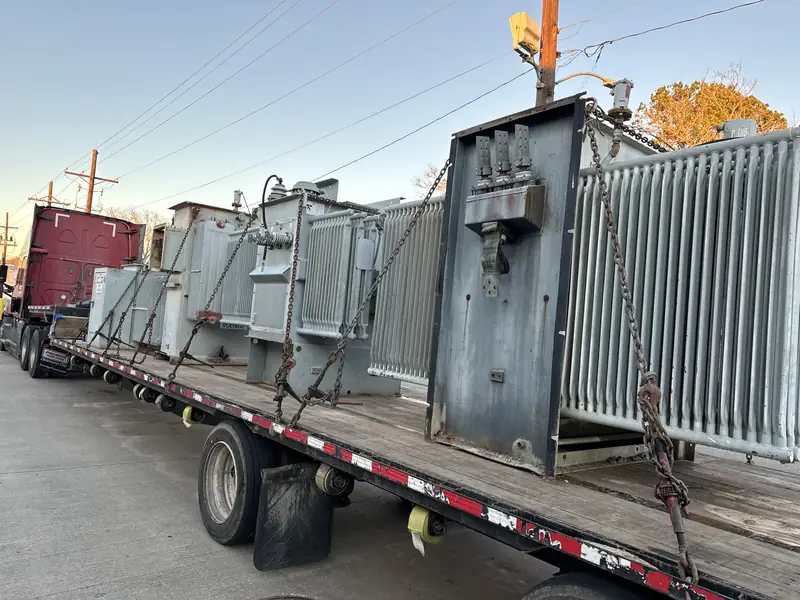
03Nameplate Year, Ratings and Configuration Matter Together
The manufacturing year helps establish age, but age alone is not a pass-or-fail rule. Loading, maintenance, operating temperatures, fault history and storage conditions all matter. If the year is unreadable, send the manufacturer and serial number instead of guessing.
Photograph the entire nameplate straight on. Buyers need kVA or MVA, phase, frequency, primary and secondary voltages, connection, taps, impedance, BIL, cooling class and temperature rise. For a station-class unit with ratings such as 12/16/20 MVA ONAN/ONAF/ONAF, capture every rating stage, not just the largest number.
Actual voltage is more useful than “12 kV transformer.” A 12,000 V delta primary and a 12,470GrdY/7,200 V primary are not interchangeable descriptions. Common three-phase secondaries include 208Y/120 V and 480Y/277 V, but the actual plate governs the review.
Configuration also affects the potential reuse application. Describe a pad-mounted unit’s arrangement and included accessories using the pad-mount transformer seller guidance. Larger equipment with radiators, fans or tap changers belongs in the substation transformer review as well.
- Fluid type, gallons and any PCB label.
- Copper or aluminum windings, if stated.
- Total weight and available component weights.
- Connection diagram and accessory/control plates.
04Oil Tests and Electrical Reports Reduce Unknowns
Existing reports help explain a used transformer’s condition beyond its appearance. Send factory records and recent service tests when available, including turns ratio, winding resistance, insulation and appropriate dielectric tests. This is a list of useful records, not a testing procedure.
For liquid-filled units, oil dielectric results and dissolved gas analysis, or DGA, can provide condition evidence. DGA helps assess gases associated with thermal or electrical activity; it does not by itself certify that equipment is ready for reuse. Report dates, operating circumstances and trends matter.
Keep electrical-condition reports separate from PCB documentation. A dielectric-strength result does not establish PCB concentration. Submit existing laboratory reports with the matching serial number or equipment identification, and leave any additional testing or sampling to qualified personnel.
Missing tests do not justify inventing a condition rating. Say which records are unavailable so Rocky can identify the remaining questions before an offer is finalized.
05Exterior Photos Should Document Damage and Storage
Take photographs only from a safe position around equipment you are authorized to access. Include all accessible exterior sides, radiators, visible bushings, valves, cabinet exterior and ground-level clearances. Never open electrical compartments to obtain a sales photo.
Show wet areas or staining around seals, valves and radiators rather than describing everything as “minor seepage.” Photograph rust, damaged coatings, dents, broken bushings and missing parts. Surface corrosion and deeper deterioration are different issues, and photographs help flag the need for qualified inspection.
Storage history is especially important for pulled equipment. State whether it was stored indoors or outdoors, how long it has been idle and whether it experienced flooding or physical damage. For dry-type transformers, report known moisture exposure and enclosure damage without opening covers.
List included gauges, fans, switches, fuses, elbows and other accessories where known. If parts were removed, explain whether they remain available; do not assume detached components are included in the sale.
06Schedule In-Service Removal Around the Electrical Work
You can submit an operating transformer before its replacement date. Give Rocky the expected outage window, replacement schedule and who controls the electrical work. An initial review can use accessible exterior photographs and existing records without interrupting service.
The owner’s qualified electrical contractor or serving utility handles de-energizing and disconnecting. Qualified personnel must address isolation, lockout, verification of absence of voltage and grounding as applicable. Solar, batteries and generators can create backfeed sources that must be considered.
Electrical clearance and physical pickup are separate milestones. Before loading is scheduled, the parties need a clear understanding of when the unit will be released, who handles rigging and freight, and which accessories travel with it. The transformer removal and pickup guidance explains these responsibilities.
For demolition or a service change, use the facility manager’s transformer removal checklist to organize ownership, contractor coordination and access information. Do not let a demolition deadline substitute for qualified electrical clearance.
- Provide dimensions and operating or shipping weight.
- Identify documented lifting or rigging points.
- Describe forklift or crane access and site restrictions.
- Disclose stairs, narrow gates and obstructed access.
07Used Oil and PCB Records Need Careful Review
For liquid-filled equipment, send existing fluid and PCB documentation rather than relying only on age or appearance. Under federal TSCA classifications, non-PCB means below 50 ppm; it does not mean zero PCBs. A label stating “No PCBs at time of manufacture” should be photographed and reviewed alongside available records.
Unknown status can require conservative assumptions until testing or qualifying documentation establishes concentration. This is particularly important for older mineral-oil equipment or units with unknown fluid and manufacturing date. Sellers should rely on qualified environmental professionals for the appropriate determination.
California has stricter rules for PCB-containing oil. Oil containing 5 ppm or more PCBs is excluded from California’s “used oil” category under Health and Safety Code 25250.1; this does not mean every transformer at 5 ppm is automatically hazardous waste.
A working transformer sold for reuse is equipment, but leaking units, drained oil and failed units need proper determination. California generally manages used oil as hazardous waste unless an exclusion or recycling pathway applies. Regulated waste transport can require registered transporters and manifests. This is general information, not legal advice.
08Request Written Terms Before Pickup
Call or text Rocky at (951) 403-5738 to sell used transformers in California. You can text nameplate and overall photographs or use the transformer offer request form. Include location, quantity, condition and the expected availability date.
Rocky reviews the information and may ask about tests, fluid records, ownership or access. Reviewing your transformer costs nothing and there is no obligation. Equipment suitability and removal requirements determine whether a purchase can proceed.
The written offer states what is included, who handles loading or rigging and freight, and payment terms and timing. Confirm those terms before pickup, including responsibilities for detached accessories and any remaining site obligations.
FAQUsed Transformer Buyer FAQ
Can I sell a transformer that is still supplying my building?
You can request a review while it remains in service, provided you own it or are authorized to sell it. Explain when replacement is planned and whether the outage date is confirmed. Purchase and pickup terms must account for availability, and your qualified electrical contractor or serving utility must handle the shutdown and disconnection—not the seller.
Does an old manufacturing date make a transformer unsellable?
Not automatically. Age is one factor alongside ratings, configuration, maintenance, tests and physical condition. A well-documented older unit may warrant review, while a newer unit with fault exposure or missing components may present substantial uncertainty. Send the actual nameplate year and known history rather than estimating remaining service life.
What if I have no oil tests or maintenance records?
Submit the information you do have and clearly state that records are unavailable. Exterior photos, the nameplate, operating history and storage details still support an initial review. Missing documentation can affect the assessment or lead to additional questions. Do not arrange sampling yourself; any needed sampling or testing belongs with qualified personnel.
Is “working when removed” enough to establish condition?
It describes a past operating state, not verified present condition. Include when the unit last operated, why it was removed, whether there were known trips or faults, and what happened during storage. Existing test reports strengthen that description. Avoid presenting an untested stored unit as ready to energize solely because it previously supplied a load.
Can I sell a utility transformer located on my property?
Only if you own it or have documented authority to sell it. Physical location does not establish ownership, and a service change does not automatically transfer title. Check ownership with the serving utility or responsible party before offering the unit. Provide a utility release where applicable so the sale review does not rely on assumptions.
Do newer efficiency rules prohibit resale of used transformers?
DOE distribution-transformer efficiency standards apply to manufacture; they do not make existing used or surplus equipment illegal to resell merely because standards changed. A prospective reuse application still requires evaluation of ratings, condition and applicable installation requirements. Resale eligibility does not mean a particular unit is suitable for every project or service configuration.