01A transformer buyer in Santa Ana for industrial and warehouse equipment
Santa Ana’s manufacturing, industrial research and development, and warehousing activity can leave owners with transformers after equipment upgrades, facility changes, or projects that no longer need the specified unit. California Transformer Buyer considers individual units and mixed lots, including used equipment, removed transformers, spare units, project leftovers, and new-surplus inventory.
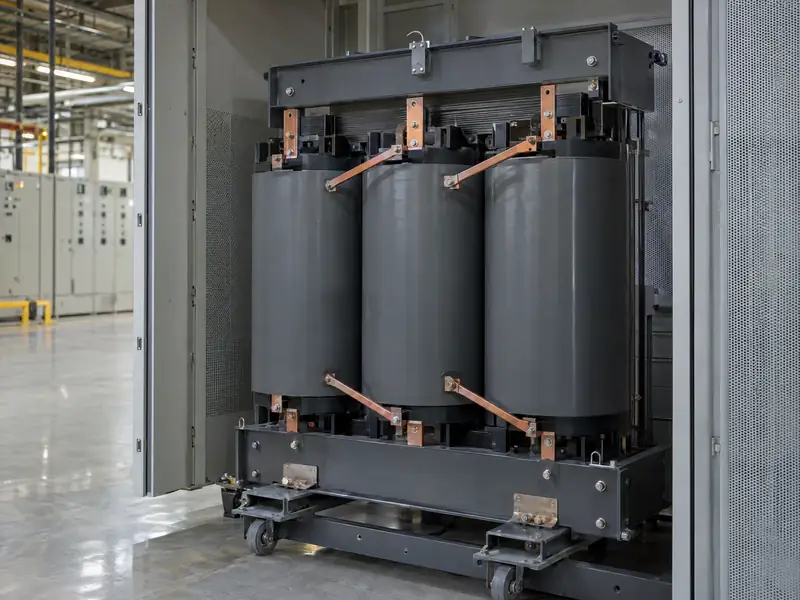
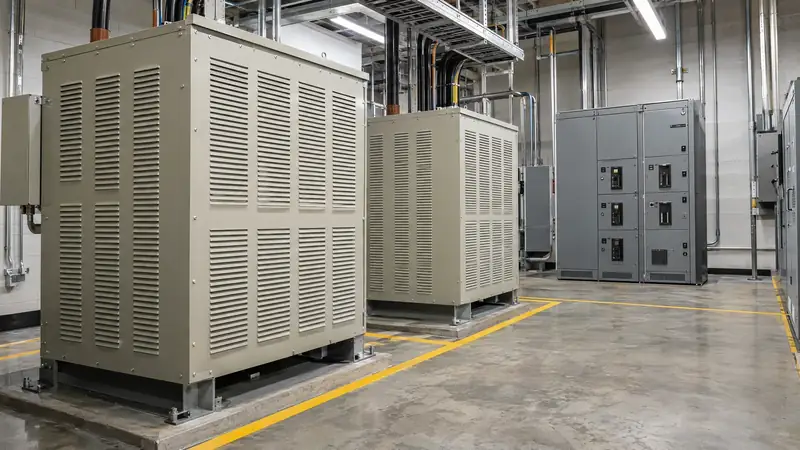
Warehouse and industrial properties may have outdoor pad-mounted distribution transformers serving building loads, or indoor dry-type units supplying equipment and distribution panels. Larger facilities can also have unit substations close-coupled to switchgear. The transformer’s actual use and nameplate matter more than assumptions based on the property type. For a wider view of local industrial and commercial activity, see the [Orange County transformer buying area](Orange County transformer buying area).
Santa Ana’s southern industrial areas include research and flex-industrial redevelopment. The South Coast Technology Center was approved in 2024, but that approval does not establish that all buildings are completed or equipped. If you have project surplus, identify what is physically on site and available for sale rather than relying on a project description.
02Transformer types and nameplate details to gather
A clear nameplate photo helps establish whether a unit fits a buyer’s needs. Photograph the plate and the overall transformer from a safe position, without entering restricted areas or opening equipment. If the plate is unreadable or missing, send the photos you can safely obtain and note which information is unknown.
Common candidates include pad-mounts serving warehouse or industrial loads, dry-type transformers inside buildings, and unit substations serving larger electrical systems. Some sellers may also have solar or storage step-up transformers or station-class equipment left from a project; describe those as they are, without assuming the unit’s application from appearance alone. See details on [pad-mount transformer sales](selling a pad-mount transformer) and [dry-type transformers](dry-type transformer types).
- Manufacturer, serial number and year, if shown
- kVA or MVA rating, phase and frequency
- Primary and secondary voltage, taps and connection
- Impedance, BIL and cooling class, if listed
- Fluid type and gallons, or dry-type insulation
- Overall condition, accessories and available test reports
03SCE territory does not replace the transformer nameplate
Santa Ana is primarily served by Southern California Edison (SCE). SCE distribution systems include 4 kV, 12 kV and 16 kV, with 25 kV and 33 kV also documented in its territory. These are regional utility facts, not confirmation of the voltage at a particular Santa Ana property or transformer. Use the unit’s nameplate and site records to identify its ratings.
Secondary ratings such as 208Y/120 V and 480Y/277 V are common in California, but the actual configuration varies by equipment and application. If voltage markings are unclear, send a readable photo or share the available documentation rather than guessing. More background is available in this guide to [transformer voltages and connections](transformer voltage ratings and connections).
04Plan Santa Ana pickup around access, rigging and freight
A pickup plan depends on the transformer’s size, weight, location on the property, loading access and any work needed to remove it. Santa Ana access may involve I-5, SR-55 or SR-22, but the route and transport requirements depend on the actual load and local conditions. Share site constraints early, including gates, clearances, loading areas, restricted hours and whether the unit is indoors or outdoors.
Do not disconnect, open, drain, move or otherwise prepare the transformer yourself. The owner’s qualified electrical contractor or serving utility handles required isolation and disconnection. In the written offer, California Transformer Buyer states what is included and who handles loading, rigging and freight; removal is scheduled under the agreed terms. Read more about [transformer removal and pickup planning](transformer removal and pickup planning).
05Documents and condition information that help review an offer
Along with photos, provide any factory test report, oil test or dissolved gas analysis, insulation resistance or turns-ratio results. Include available records on fluid type, PCB status, maintenance, known leaks or damage, and missing accessories. Reports and documentation help assess the unit; their absence does not establish the transformer’s condition or environmental status.
For oil-filled equipment, rely on test results, existing records and qualified environmental professionals to determine PCB status and the appropriate handling pathway. Unknown status should not be treated as proof that equipment is non-PCB. This information is not legal advice, and California’s rules for PCB-containing oil and regulated waste depend on testing and documentation.
- Confirm you own the transformer or have authority to sell it
- Identify whether it is used, removed or never energized
- List quantity, location and known condition issues
- Mention access limits and available loading arrangements
06How to start with California Transformer Buyer
Call or text Rocky at (951) 403-5738, or submit the website contact form. Send the nameplate and overall photos, quantity, Santa Ana location and known condition. Only take photos of equipment you are authorized to access, from a safe position.
Rocky reviews the details and may ask about test reports, fluid or PCB records, ownership, and site access. If the unit is a fit, you receive a written offer with the price, included work, responsibility for rigging and freight, and payment terms. Review the terms before pickup; reviewing your transformer costs nothing and there is no obligation. Start through [the transformer selling process](how to sell your transformer) or [request an offer](contact California Transformer Buyer for an offer).
07Used, surplus and new-surplus units are reviewed differently
A previously energized transformer is evaluated by its rating, condition, documentation, completeness and practical removal requirements. New-surplus equipment has never been energized and may be crated or on skids; provide photos of the unit, packaging and any available factory paperwork. Do not assume that age or storage condition alone establishes suitability.
Project leftovers and spare equipment can be submitted as single units or as a mixed lot. Include a separate photo and identifying details for each transformer where possible, so the review does not depend on one description for equipment with different ratings or conditions. Learn more about [selling surplus transformers](surplus transformer buying).
FAQSelling a Transformer in Santa Ana: FAQ
Does California Transformer Buyer purchase just one transformer in Santa Ana?
Yes. California Transformer Buyer considers single transformers as well as multiple units and mixed lots from sellers located in California. Send the rating, photos, condition and location so Rocky can review the specific equipment. A review does not guarantee an offer or purchase; if an offer is made, its scope and terms are provided in writing before pickup.
Can I sell a transformer that is still connected to the electrical system?
You can ask for a review, but do not disconnect or prepare energized equipment yourself. The owner’s qualified electrical contractor or serving utility must handle the required isolation and disconnection. Tell Rocky whether the transformer is operating, disconnected, or awaiting scheduled electrical work, and clarify who is responsible for completing that work before pickup.
Can a property owner sell a transformer that belongs to SCE?
No. A property owner must own the transformer or have authority to sell it. Equipment owned by a utility cannot be sold by the property owner simply because it is located on the property. If ownership is unclear, check purchase records, leases, service documents or other relevant records before representing the transformer as available for sale.
What if the transformer has no readable nameplate?
Send overall photos and any legible markings, serial numbers, drawings, purchase records or test documents you have. Note which details are unknown rather than estimating voltage or capacity. The buyer may need to ask follow-up questions, and the available information may affect whether the unit can be evaluated. Take photos only from a safe position and where you are authorized to be.
Will a leaking or damaged transformer be considered?
Share the known condition accurately, including leaks, corrosion, damaged bushings, missing parts or other visible issues. California Transformer Buyer reviews used and removed equipment, but a review does not mean every condition will be accepted or purchased. Do not drain, open or move a leaking transformer. Appropriate environmental and electrical professionals should determine its handling requirements.
What happens after I send photos and transformer details?
Rocky reviews the information and may request additional details about the nameplate, test records, fluid or PCB documentation, ownership and access. If an offer is made, it is written and identifies the price, what is included, who handles rigging and freight, and payment terms. Pickup is scheduled according to those terms, which should be reviewed before work is arranged.