01Why Commercial Property Owners & Managers Have Surplus Transformers
Commercial property owners and managers surplus transformers often come from work that changes a building’s electrical load or layout. A tenant improvement may replace a transformer serving a former tenant; a retrofit may upgrade distribution equipment; and a service upgrade can leave a functioning unit unused. Demolition or a full building conversion can also uncover spare or removed equipment.
The transformer may still be useful even when it no longer fits the property’s plans. Before treating it as surplus, confirm that your company owns it or has authority to sell it. Equipment owned by a serving utility cannot be sold by the property owner. For other equipment, a guide to selling electrical transformers explains the basic information buyers need.
02Common Transformer Types in Commercial Buildings
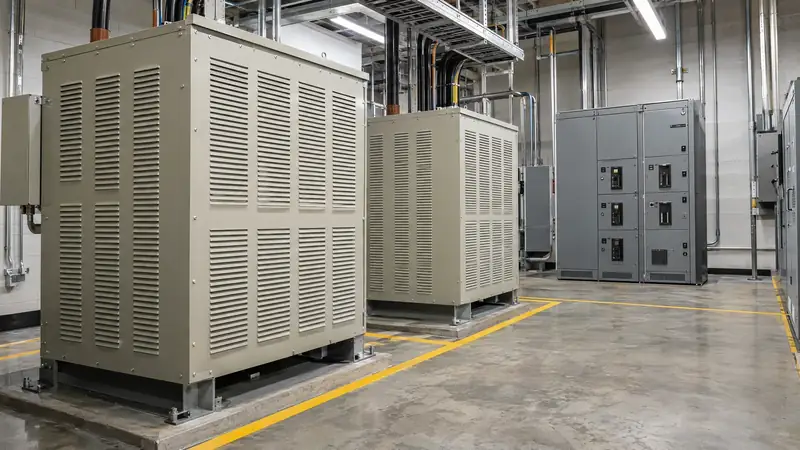
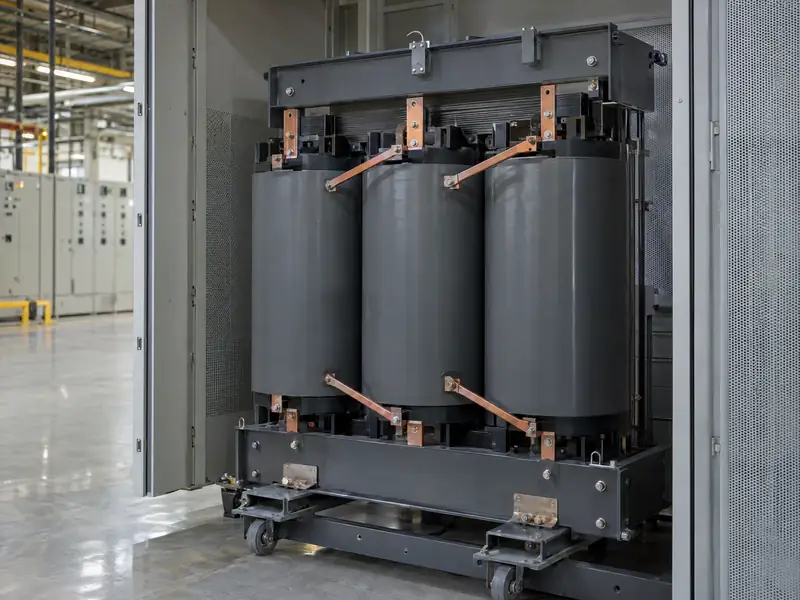
Indoor electrical rooms commonly contain low-voltage or medium-voltage dry-type transformers, including units that serve tenant panels, lighting, HVAC, elevators or other building loads. Three-phase ratings such as 75, 112.5, 150, 225, 300 and 500 kVA are common standard sizes, though actual equipment varies by building and application. Some commercial units are K-factor or harmonic-mitigating models installed for loads with substantial electronic equipment.
Exterior service equipment may include a three-phase pad-mounted transformer, while a larger campus or property with its own distribution system may have a unit substation or station-class equipment. Do not identify a unit by appearance alone: construction, voltage, rating and connection details on the nameplate matter. See our information on dry-type transformers and K-factor and harmonic-mitigating transformers.
03What the Transformer Nameplate and Records Can Tell a Buyer
A clear nameplate photo is a practical starting point. Capture the full plate from a safe position and include the manufacturer, serial number, year, kVA rating, phase, primary and secondary voltage, connection, taps, impedance, BIL and cooling class when shown. For dry-type equipment, temperature rise and insulation information may also appear. For liquid-filled units, note the fluid type and gallons if listed.
Gather documents you already have, such as a factory test report, recent test results, maintenance records, purchase documents or records describing the fluid and PCB status. Do not open equipment, take samples or move the transformer to obtain details. A buyer may ask follow-up questions about tests, ownership, condition and site access. For a quick review, share photos and details through California’s surplus transformer buyer process.
- Overall photos showing the full unit and visible condition
- Quantity, property location and whether equipment is indoors or outdoors
- Known leaks, corrosion, damaged bushings or missing accessories
- Available test, fluid and ownership documentation
04Commercial Property Transformer Details That Affect an Offer
The rating and voltage combination help determine whether a unit suits another building or project. California properties may have common secondary configurations such as 208Y/120 V or 480Y/277 V three-phase, but the actual primary voltage varies by service area and installation. Always use the nameplate rather than assuming a voltage based on the property’s city or utility.
Condition and completeness matter alongside electrical specifications. A unit with test records, intact accessories and a documented fluid type is easier to assess than equipment with unknown condition or missing information. Age, winding material, manufacturer, configuration and whether the transformer is used or never energized also help inform review. Our transformer voltage reference and kVA size guide can help you locate nameplate details.
05Plan Access, Building Work and Pickup Responsibilities
Commercial sites bring practical scheduling questions: tenant access, loading areas, delivery routes, security procedures, working hours and coordination with property staff or the electrical contractor. Indoor units may require a planned route out of an electrical room; exterior pad-mounted equipment may have access or clearance constraints. Describe these conditions early and provide site photos only from areas you are authorized to access.
Do not disconnect, de-energize, open, drain or move a transformer yourself. The owner’s qualified electrical contractor or serving utility handles electrical isolation and disconnection. California safety requirements call for qualified personnel to establish clearance, isolation, voltage testing and grounding; any solar, battery or generator backfeed also needs consideration.
Large or heavy equipment may involve rigging and freight planning, and oversized loads can require permits or other route approvals. Before pickup, the written offer identifies what is included and who handles loading, rigging and freight. For details on coordinating removal, see transformer removal and pickup planning.
06PCB and Environmental Records for Older or Liquid-Filled Units
For oil-filled transformers, share existing PCB labels, test results and fluid records. Do not assume that an older unit is non-PCB because it looks intact or has no visible label. Federal categories distinguish non-PCB oil below 50 ppm, PCB-contaminated equipment at 50 to below 500 ppm, and PCB Transformers at 500 ppm or more. Unknown status may require an assumption until testing or qualifying documentation establishes the concentration.
California has additional rules for PCB-containing oil, and the correct management pathway depends on testing and documentation. A working transformer sold for reuse is equipment, while leaking equipment, drained oil or a failed unit may need a different determination. Rely on records, appropriate testing and qualified environmental professionals; this information is general and is not legal advice. See our guide to dry-type and oil-filled transformer differences.
07How California Transformer Buyer Reviews Commercial Property Equipment
Start by calling or texting Rocky at (951) 403-5738, sending photos by text, or submitting the website contact form. Include the nameplate, overall condition, number of units, California location and any records you have. Reviewing a transformer costs nothing and creates no obligation.
Rocky reviews the information and may ask about test reports, fluid or PCB records, ownership, access and removal conditions. If the equipment is a fit, you receive a written offer with the price, what is included, who handles loading, rigging and freight, and payment terms and timing. Removal is scheduled, then pickup and payment follow the written terms. To start, use the contact form to request an offer or read how the transformer buying process works.
08Selling One Unit, Spare Equipment or a Building-Clearance Lot
A property owner may have one removed transformer, while a manager coordinating several buildings may have spare units or a mixed lot. Send an inventory if you have one, but do not delay a first inquiry if some details are missing. Clear photos and an honest description of known condition help establish what additional information is needed.
For projects tied to a renovation or demolition schedule, raise the expected access window and site constraints early. A purchase is not automatic; the unit, records and logistics are reviewed individually. If a building clearance includes other equipment or a larger set of units, transformer liquidation options may be relevant.
FAQCommercial Property Owners & Managers FAQ
Can I sell a transformer removed during a tenant improvement?
Yes, if you own the transformer or have authority to sell it. First confirm that it is not utility-owned equipment. Share the nameplate, overall photos, quantity, property location and known condition; any available test or maintenance records can also help. California Transformer Buyer reviews used and removed units, but purchase decisions depend on the equipment and the information available.
What if we cannot find the transformer’s original records?
You can still ask for a review using available information. A readable nameplate and clear photos provide a starting point, and you can explain which records are missing. Do not open or disturb the equipment to search for details. Buyers may ask follow-up questions or request existing test, fluid or PCB documentation where it applies.
Will you buy a transformer that is still installed?
An installed transformer can be reviewed, but it must be disconnected and made available for removal by qualified personnel under the appropriate site and utility procedures. Do not attempt to de-energize, disconnect or move it yourself. Tell us whether the unit remains installed and describe the access constraints so responsibilities can be addressed before any pickup is scheduled.
Can I sell a transformer if my property is served by a utility-owned pad mount?
Not if the utility owns the equipment. A property owner or manager cannot sell utility-owned equipment simply because it sits on the property. Check ownership or service records and ask the serving utility or your qualified electrical contractor if the ownership is unclear. California Transformer Buyer only considers equipment the seller owns or is authorized to sell.
Do I need to get the transformer tested before requesting an offer?
You do not need to arrange new testing just to start an inquiry. Send any existing test reports and clearly distinguish documented results from unknown condition. Testing, PCB status and fluid information can affect review, especially for liquid-filled equipment. Follow qualified technical and environmental advice for any testing or sampling; never open the transformer or take a sample yourself.
What should our property team agree on before pickup?
Make sure the written offer defines the equipment included, price, payment terms and timing, and who is responsible for loading, rigging and freight. Coordinate site access with the people responsible for the property and electrical work. If a contractor or utility must handle isolation and disconnection, clarify that arrangement before scheduling removal.