01Finding a Transformer Buyer in Merced Starts With the Utility
Merced facilities may receive electric service from PG&E or Merced Irrigation District (MID). MID particularly serves industrial and commercial users, but there is no verified citywide majority or simple boundary to rely on. Check the electric bill or confirm with the serving utility before identifying the service provider or discussing a replacement unit.
The utility context matters because a transformer’s primary voltage and connection must match the facility and its system. Do not assume a voltage based on the city or a nearby site. Send a clear nameplate photo so the actual ratings can be reviewed. California Transformer Buyer is an independent buyer, not affiliated with or endorsed by either utility.
For an overview of the region’s agricultural, food-processing, manufacturing, and distribution economy, see the San Joaquin Valley transformer market.
02What Merced Facilities May Have to Sell
Merced’s agricultural business, light industry, regional trade and services, and university-related research can involve different transformer configurations. The equipment at an individual property depends on its electrical design; the examples below are possibilities, not a claim about a specific facility or project.
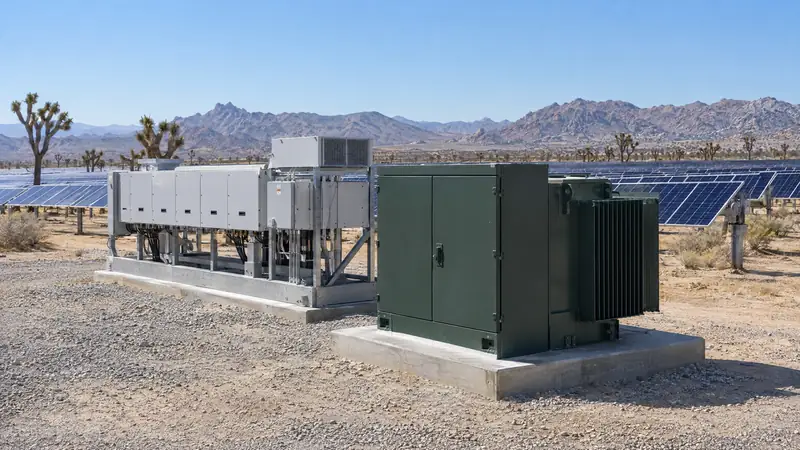
A warehouse or commercial building may have a three-phase pad-mounted transformer or an indoor dry-type unit. Agricultural operations and food-related sites may have distribution equipment serving processing, pumps, refrigeration, or other loads. Research and campus facilities may use dry-type transformers or unit substations connected to switchgear. Solar projects can have inverter step-up transformers, while a utility or large industrial site may have station-class equipment.
| Facility context | Possible transformer | Details to identify |
|---|---|---|
| Warehouse or commercial | Pad-mount or dry-type | kVA, voltage, phase |
| Agricultural or processing | Distribution or unit substation | Configuration, condition |
| Campus or research | Dry-type or unit substation | Indoor access, switchgear |
| Solar installation | Inverter step-up transformer | MVA, cooling, test reports |
| Industrial site | Pad-mount or station class | Rating, accessories, rigging |
03Nameplate Details That Help Identify Used Transformers in Merced
A legible nameplate helps distinguish equipment that can look similar from the outside. Photograph the full plate and, where safely accessible, the transformer from a position that does not require entering a restricted area or touching equipment. Do not open compartments or remove covers to get a picture.
For pad-mounted and pole-mounted distribution units, include kVA, phase, primary and secondary voltage, connection, impedance, and year if shown. For a larger substation or solar step-up unit, include each MVA rating and cooling stage, such as ONAN/ONAF, along with tap information, BIL, fluid type, and total weight when listed. Actual nameplate data takes precedence over assumptions about local voltage.
Send any test reports, maintenance records, fluid or PCB documentation, and photographs of visible damage or missing accessories. These records help establish what the unit is and what follow-up review may be needed. See guidance on transformer voltage and nameplate details and solar inverter step-up transformers.
- Manufacturer, serial number, and year
- kVA or MVA rating and phase
- Primary and secondary voltage
- Cooling class and fluid type
- Test reports and PCB records, if available
04Planning Merced Transformer Pickup and Site Access
Merced’s SR-99, SR-140, and SR-59 connections help describe the area and the site location, but the right pickup plan depends on the property, unit dimensions, weight, and access—not just the nearest highway. Share the site address or location, gate and operating restrictions, available loading area, and any known overhead, turning, or ground-clearance constraints.
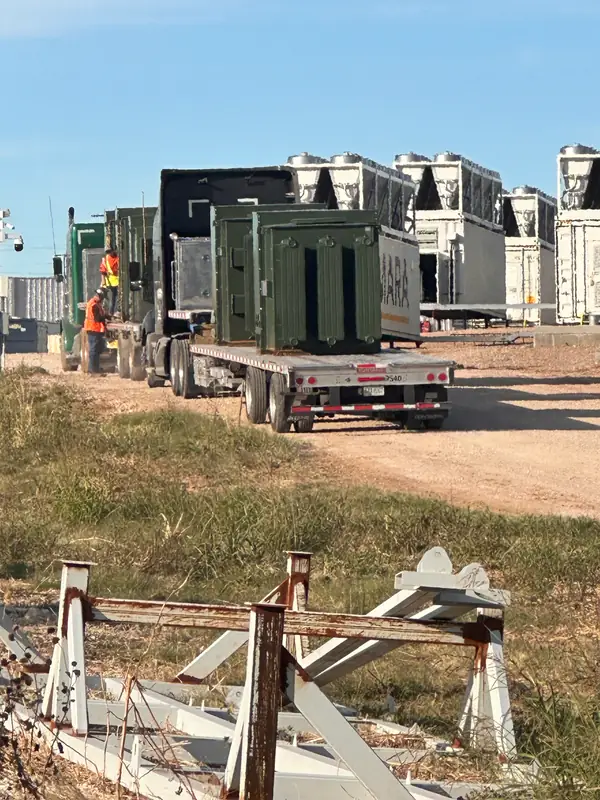
A pad-mount in an open service yard presents different loading considerations from an indoor dry-type transformer or a large station-class unit. Tell Rocky whether the equipment is indoors or outdoors, whether it is obstructed, and whether site access requires coordination with a property manager, contractor, or utility. The written offer states who handles loading or rigging and freight before pickup is scheduled.
Do not disconnect, de-energize, open, drain, or move the transformer yourself. The owner’s qualified electrical contractor or serving utility handles isolation and disconnection. For more on roles and planning, review transformer removal and pickup planning.
05Used, Surplus, and New-Surplus Units Are Reviewed Differently
California Transformer Buyer considers used equipment, removed units, spare transformers, project leftovers, decommissioned equipment, new-surplus units, and mixed lots. New-surplus generally means never energized equipment, often crated or on skids. State whether the transformer has been energized, and provide records that support its history and condition.
Condition and completeness matter alongside rating. Note visible leaks, rust, damaged bushings, missing parts, or accessories such as fans, switches, gauges, elbows, and load-tap-changing equipment. A test report can help document condition, but do not arrange testing or handling outside the work of qualified personnel.
For fluid-filled equipment, provide available oil and PCB records rather than guessing its status. PCB classification and oil-management requirements depend on testing and documentation; California rules for PCB-containing oil can differ from federal categories. Sellers should rely on qualified environmental professionals and records to determine the correct pathway. This is general information, not legal advice. Learn more about new-surplus transformer sales or surplus transformer review.
06How to Request an Offer for a Merced Transformer
Start by calling or texting Rocky at (951) 403-5738, sending photos by text, or submitting the website contact form. Include your name, best contact information, the Merced-area location, quantity, and whether the equipment is used or new-surplus. Reviewing a transformer costs nothing and creates no obligation.
Rocky reviews the information and may ask follow-up questions about ownership, test reports, PCB or fluid records, condition, and access. You must own the transformer or have authority to sell it. Equipment owned by a utility cannot be sold by the property owner.
If the unit is a fit, you receive a written offer that states the price, what is included, who handles loading or rigging and freight, and payment terms. Pickup is arranged under those written terms. See how the transformer sale process works or use the contact form to request an offer.
07Serving Merced and Nearby San Joaquin Valley Sellers
California Transformer Buyer serves sellers throughout California from its base in Riverside County. Merced is part of a wider San Joaquin Valley service area, but every offer and pickup plan is based on the specific transformer, ownership, documentation, and site conditions.
If a facility has several units, send a list with each transformer’s location and available nameplate photos. Separate records for each unit help avoid mixing ratings, condition, or ownership details. For neighboring service-area information, see pages for transformer sales in Modesto and transformer sales in Fresno.
FAQSelling a Transformer in Merced: FAQ
Does PG&E or Merced Irrigation District own the transformer at my property?
It depends on the service arrangement and equipment ownership at that specific site. A utility may own equipment located on private property, and the property owner cannot sell utility-owned equipment. Check your service records, asset documentation, or ask the serving utility to confirm ownership before requesting an offer. If you own the unit or have written authority to sell it, include that information with the equipment details.
Can I sell a transformer if it is still connected or energized?
You can ask for a review, but do not attempt to disconnect, de-energize, open, drain, or move it. Isolation and disconnection must be handled by the owner’s qualified electrical contractor or serving utility. Mention its current status when you contact Rocky so the site and pickup requirements can be discussed. Only take photographs from a safe position and where you are authorized to access.
What if the nameplate is hard to read or missing?
Send clear overall photos and any readable portions of the nameplate, including manufacturer, serial number, voltage, kVA or MVA, and phase if visible. Include drawings, test reports, purchase records, or maintenance documents that might help identify the unit. Do not remove a cover or approach energized equipment to improve a photo. The buyer may need additional information before deciding whether it can be evaluated.
Will California Transformer Buyer review a single transformer or only a lot?
Both single units and larger groups can be submitted for review. Send the quantity and a separate nameplate photo or identifying details for each transformer when possible. For a mixed lot, note which units are used, new-surplus, or in unknown condition, and identify any units with missing records. Review does not guarantee a purchase; the written offer will specify the equipment and terms included.
Can a leaking or failed transformer still be considered?
You may submit its details and condition for review, but a purchase is not guaranteed. Describe visible leakage, damage, missing components, and whether the transformer has been tested. Do not drain fluid or attempt repairs to prepare it for sale. Leaking or failed equipment and removed oil can require a qualified environmental determination and appropriate handling based on testing and documentation.
What should I do if a contractor is already removing equipment?
Coordinate with the contractor before any work and confirm that you own the unit or have authority to sell it. Share the planned schedule, current equipment status, site access limits, and who is responsible for handling and loading. Do not change the electrical work plan for a sale. Request and review written offer terms before pickup so the responsibilities for rigging, freight, and payment are clear.