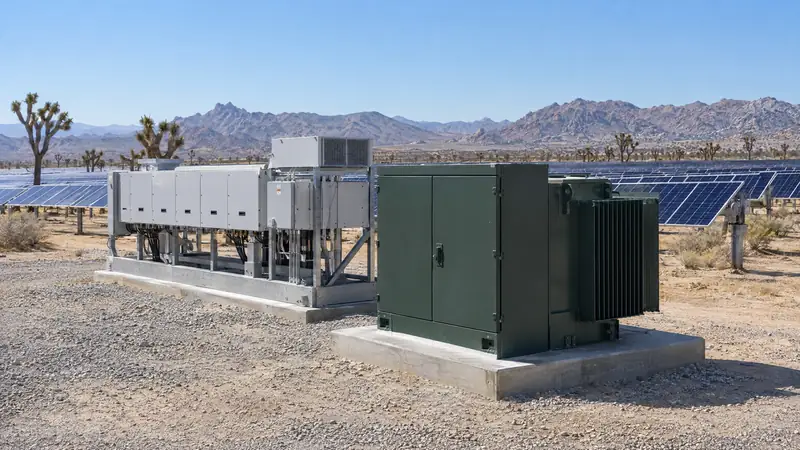
01Why Solar Developers and EPCs Have Surplus Transformers
Solar developers & EPCs surplus transformers can arise from ordinary project changes, not just equipment failures. A project may retain a spare inverter step-up transformer after commissioning, change its electrical design before construction, or be cancelled after major equipment has been procured. Repowering can also leave serviceable units that no longer match the revised plant design.
These assets can be costly to store and track, especially when a project is closing out or a site needs room for new equipment. California Transformer Buyer reviews used, pulled, surplus and new-surplus transformers from California sellers. For project closeout considerations, see the guide to selling surplus transformers after a project.
- Uninstalled equipment left after a design revision
- Spare units not needed after commissioning
- Transformers replaced during repowering
- Project inventory from a cancellation or consolidation
02A Surplus Transformer Buyer for Solar Developers and EPCs
Solar facilities may use inverter step-up transformers, collector-system transformers, pad-mounted distribution units, unit substations and larger substation equipment. The right description depends on the unit’s actual role and nameplate, not simply the project’s megawatt capacity. A transformer connected to an inverter may have different voltage, connection and duty requirements from a station-service or collection-system unit.
Ratings can range from distribution kVA equipment to large MVA-class power transformers. Share the rating and voltage rather than estimating from the size of the solar site. Learn more about solar and inverter step-up transformer configurations or see the broader range of transformer types we review.
| Equipment category | Typical project role | Helpful details |
|---|---|---|
| Inverter step-up | Raises inverter output voltage | Inverter and grid-side voltages |
| Collector-system unit | Connects generation into collection circuits | Winding connection and rating |
| Pad-mounted unit | Outdoor distribution or project service | Phase, kVA and primary voltage |
| Substation transformer | Interconnect or higher-voltage transformation | MVA stages, cooling and accessories |
03Nameplate Details and Project Records That Help Review
A clear nameplate photo is the best starting point. Buyers use it to confirm the manufacturer, serial number, year, kVA or MVA rating, phase, primary and secondary voltages, tap positions, impedance, BIL, cooling class and temperature rise. For multi-stage ratings, include every listed cooling stage. Connection information such as delta or grounded wye also helps distinguish units that otherwise appear similar.
Send overall photos and note whether the transformer is crated, on skids, installed, or previously energized. Useful records may include factory test reports, oil or DGA results, insulation-resistance and turns-ratio tests, fluid and PCB documentation, and accessory lists. If a report is unavailable, say so rather than guessing. More detail on transformer voltage and connection details can help you identify what to capture.
- Quantity and current location
- Condition and known missing parts
- Available test reports and fluid records
- Whether the unit is new-surplus or used
04Plan the Sale Around Procurement and Project Closeout
Solar schedules can make surplus equipment decisions time-sensitive. A unit may need to be evaluated before a laydown area is cleared, an EPC contract closes, or replacement equipment arrives. Start the review when the transformer’s status is known, even if the final pickup window is still being coordinated. Include any site access restrictions and the date by which the equipment must be removed.
Avoid assuming that a project’s original delivery schedule or system voltage determines resale demand. California has a mix of utility and municipal systems, and actual acceptable voltages and configurations depend on the receiving application. A tested, available transformer may be useful to another buyer, but its suitability and value depend on its specifications, condition, records and logistics.
- Flag schedule milestones and required removal dates
- Identify who controls site access
- Share whether the unit is installed or staged
- Mention any planned repowering or equipment change
05Coordinate Rigging, Freight and Site Access Before Pickup
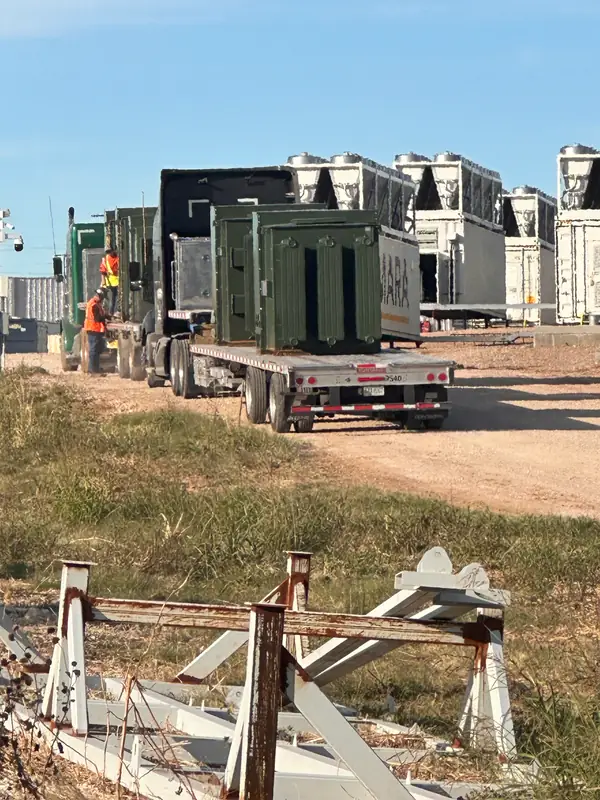
Transformer removal is a project logistics issue as much as a purchasing decision. The written offer should state what is included and identify who handles loading or rigging and freight. Before accepting terms, provide practical details such as access routes, gate or escort requirements, loading constraints, available equipment information and any site rules that affect a carrier or rigging contractor.
Do not disconnect, open, drain or move a transformer to prepare it for sale. De-energizing and disconnecting are handled by the owner’s qualified electrical contractor or serving utility. Solar and storage sites also need qualified personnel to account for possible backfeed from inverters, batteries or generators. Read about transformer removal and pickup coordination before scheduling site work.
- Confirm unit dimensions and weight from available records
- Describe the route from the equipment location to the loading area
- Disclose access, safety and scheduling restrictions
- Keep electrical work with qualified personnel
06How California Transformer Buyer Reviews a Solar Project Unit
The review starts with a call, text or website form. Send nameplate and overall photos, quantity, California location and condition; photos should be taken only from a safe position and of equipment you are authorized to access. Rocky may ask follow-up questions about test reports, fluid or PCB records, ownership, site access and the unit’s history.
If the transformer is a fit, you receive a written offer that states the price, what is included, who handles loading or rigging and freight, and payment terms. Removal is scheduled and payment is made as stated in those written terms. Reviewing a transformer costs nothing and creates no obligation. See how the transformer review and sale process works or send details to sell your transformer.
07Ownership, Condition and Environmental Records Matter
The seller must own the transformer or have authority to sell it. Equipment that belongs to a utility cannot be sold by a property owner or project contractor without the owner’s authorization. For equipment held by an EPC, developer, lender or another project party, confirm who has title or disposition authority before requesting an offer.
Condition affects review: leaks, corrosion, damaged bushings, missing accessories and prior test results are relevant. PCB status should be supported by testing or qualifying documentation; a label or assumption alone may not settle the equipment’s status. California has specific rules for PCB-containing oil and used oil, and the correct management pathway depends on testing and records. Rely on qualified environmental professionals for determinations; this information is not legal advice.
- Confirm ownership or written authority to sell
- Describe visible condition without opening equipment
- Provide existing PCB and fluid documentation
- Ask qualified environmental professionals about uncertain status
08Sell Used or New-Surplus Transformers Anywhere in California
California Transformer Buyer is a California-only buyer based in Riverside County in the Inland Empire and reviews equipment from sellers throughout the state. A unit does not need to be installed or in service: new-surplus equipment that has never been energized, including crated units or transformers on skids, may also be submitted for review.
Whether you have one spare inverter step-up transformer or multiple project assets, provide the location and inventory details together. For other project needs, see battery storage projects or learn about the broader surplus transformer buying process. Call or text Rocky at (951) 403-5738, or use the contact form to request an offer.
FAQSolar Developers & EPCs FAQ
Will you review a transformer that was never installed?
Yes. California Transformer Buyer reviews new-surplus equipment that has never been energized, including units kept crated or on skids, as well as used equipment. Send photos of the unit and its nameplate, plus the quantity, location and condition. Include any factory test report or other records you have; the review depends on the specifications, condition and available information.
Can I sell a transformer that is still connected at the solar site?
You may request a review while equipment is still installed, but only qualified personnel should handle electrical isolation and disconnection. The owner’s qualified electrical contractor or serving utility must manage that work, including precautions for backfeed from solar inverters, batteries or generators. Do not open compartments or attempt to disconnect, move or prepare the transformer yourself.
What if the nameplate is hard to read or missing?
Send the clearest photos available and explain which information is unreadable or missing. Existing drawings, purchase records, factory reports, test records or equipment schedules may help identify the transformer, but do not substitute a guess for a confirmed rating. Rocky may ask follow-up questions before deciding whether there is enough information to make an offer.
Do you buy transformers from cancelled or redesigned projects?
Project cancellation or a design change can leave transformers surplus, and those units can be submitted for review. Include whether the equipment was ever energized, whether it remains crated or staged, and whether project records or tests are available. The seller must own the equipment or have authority from its owner to sell it.
Can you review several transformers or a mixed equipment lot?
Yes, sellers can submit a single transformer or multiple units, including mixed lots. Provide an inventory with each unit’s nameplate photo, location and known condition where possible. Separate units by type or project area if that makes the list easier to follow. The written offer will clarify which equipment is included and the terms for handling it.
What will the written offer say about pickup and payment?
The written offer states the price, what equipment and work are included, who handles loading or rigging and freight, and the payment terms and timing. Review those details before pickup is scheduled. Site access, removal arrangements and any conditions should be clarified in writing so the project team knows what to expect.