01How to sell a transformer in Ontario, CA
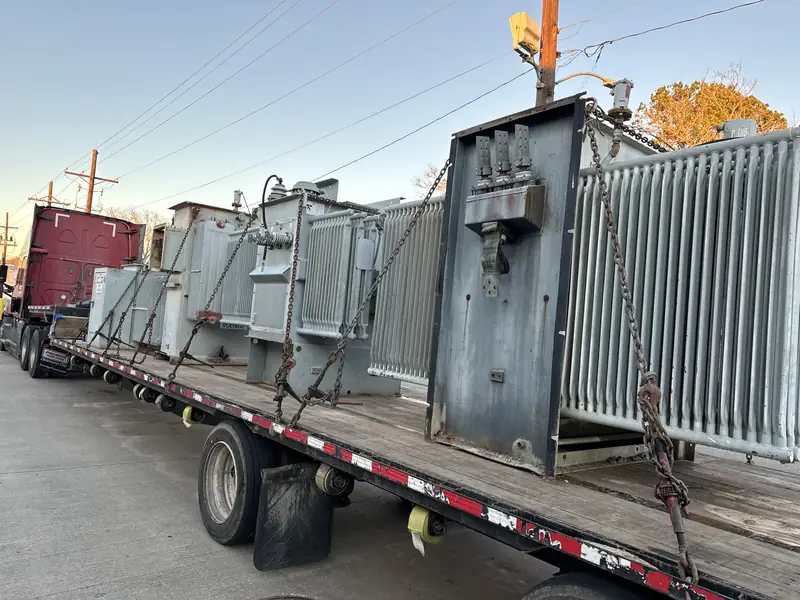
Ontario’s logistics, air-cargo and warehousing activity means facilities may have transformers serving large buildings, loading areas, industrial operations and electrical distribution systems. When equipment is replaced, a project changes scope or a site is decommissioned, a usable transformer may become surplus. California Transformer Buyer reviews Ontario equipment as part of its California-only buying service.
For an initial review, call or text Rocky at (951) 403-5738, or use the [sell a transformer form and process](Sell Your Transformer). Include the equipment’s location in Ontario, how many units are involved, whether each is used or new-surplus, and its general condition. Reviewing a transformer costs nothing and does not obligate you to sell.
- Used or removed transformers
- Surplus and spare units
- New-surplus, never-energized equipment
- Single units or mixed lots
02Transformer types found around Ontario warehouses and freight facilities
Warehouse and distribution properties may use three-phase pad-mounted transformers to serve building loads, or dry-type units inside electrical rooms. A larger campus or industrial site may have a unit substation close-coupled to switchgear. The equipment actually present depends on the property’s electrical design; a facility’s industry alone does not establish a transformer’s type or rating.
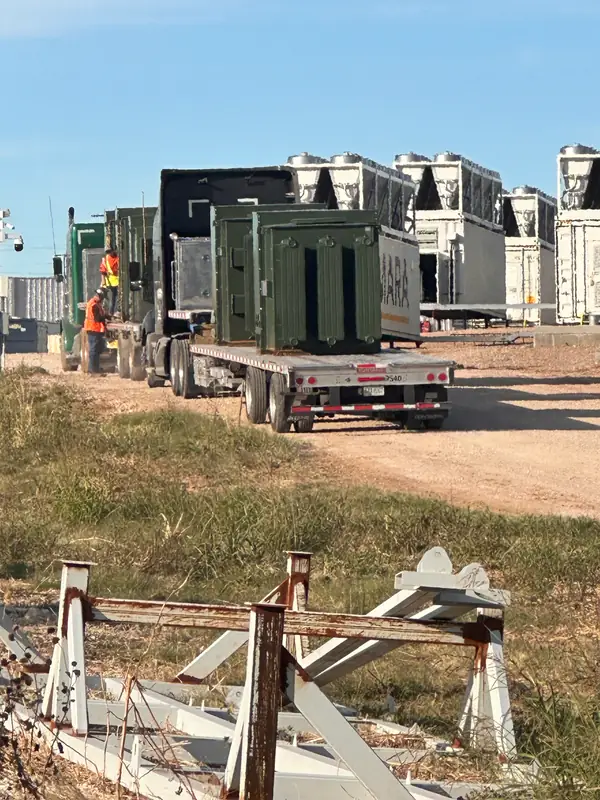
Air-cargo and logistics operations can also have backup, expansion or replacement equipment set aside after a project. Solar or battery installations may use step-up transformers, but the photos and nameplate—not an assumed application—are what identify a unit. California Transformer Buyer considers [three-phase pad-mount transformers](three-phase pad-mount transformer types) as well as other distribution and power equipment.
- Pad-mounted distribution units
- Dry-type transformers
- Unit substations
- Solar or storage step-up units, where present
03SCE service context and the transformer nameplate
Southern California Edison (SCE) serves Ontario. SCE’s documented distribution voltages include 4 kV, 12 kV and 16 kV, with 25 kV and 33 kV also documented. Those system-level facts do not confirm the voltage at a particular property: use the actual transformer nameplate and site records, and do not assume two units are interchangeable because they look alike.
A clear nameplate image helps identify the unit and evaluate whether it fits a potential buyer’s needs. Photograph it only from a safe position and only if you are authorized to access the equipment. A wider photo showing the complete transformer and visible accessories can help establish configuration and condition without opening or disturbing anything.
- Manufacturer, serial number and year
- kVA or MVA rating and phase
- High- and low-voltage ratings
- Connection, taps and impedance
- Cooling class and fluid type
- Weight, accessories and visible condition
04What affects an offer for used and surplus transformers
A transformer’s rating, voltage, phase and configuration matter, along with its condition and likely reuse. Buyers may also consider winding material, cooling class, available accessories, age, quantity and whether the unit is used or new-surplus. New-surplus typically means never energized equipment that remains crated or on skids; share its storage condition and any available documentation.
Test reports can help explain a unit’s condition. Depending on the equipment, useful records may include factory test reports, oil test or dissolved-gas analysis results, insulation-resistance results, turns-ratio tests, and maintenance or removal records. Missing information does not automatically establish the unit’s condition, so identify what is known and what is undocumented rather than guessing.
- Include reports and fluid or PCB records, if available
- Note missing parts, visible leaks, rust or damage
- Confirm that you own the equipment or can authorize its sale
05Ontario pickup planning: access, loading and route details
Ontario’s location along I-10, I-15 and SR-60 can be useful context when planning transport, but the appropriate route depends on the equipment, pickup point and load. Before an offer is finalized, provide practical site details: gate or yard access, loading-area constraints, overhead or ground obstacles, available working space and any site scheduling requirements. Photos of the approach and staging area can help explain conditions.
Transformers are heavy electrical equipment. The written offer states what is included and who handles loading, rigging and freight; confirm those responsibilities before pickup is scheduled. Oversize or overweight transport may require permits or local approvals depending on the load and route. Do not move, disconnect or prepare the equipment yourself. De-energizing and disconnection are tasks for the owner’s qualified electrical contractor or serving utility.
06How the offer and sale process works
Start with photos and basic details by calling or texting (951) 403-5738, or submitting the [online contact form](contact California Transformer Buyer). Rocky reviews the information and may ask follow-up questions about test reports, ownership, fluid or PCB records, condition and access. Send only information you have or can verify.
If the unit is a fit, you receive a written offer stating the price, what is included, who handles loading, rigging and freight, and the payment terms and timing. The terms are in writing before pickup. If both sides agree, removal is scheduled under those terms and payment is made as stated in the written offer.
- Nameplate and overall photos
- Quantity, location and condition
- Available test and ownership records
- Site access and loading information
07Ontario service within the Inland Empire
Ontario is part of the Inland Empire’s broader freight and distribution economy, which connects warehouses, cargo facilities and industrial properties across Southern California. California Transformer Buyer is based in Riverside County and serves sellers throughout California. For related local information, see the [Inland Empire service area](Inland Empire transformer buying service), or nearby pages for [Fontana](transformer buyer in Fontana) and [Rancho Cucamonga](transformer buyer in Rancho Cucamonga).
Whether you have one removed unit or a group of project leftovers, provide the facts that identify the equipment and where it is located. A review is not a commitment to sell, and any purchase and pickup responsibilities are set out in writing before scheduling.
FAQSelling a Transformer in Ontario: FAQ
Can I sell a transformer that is still installed at my Ontario property?
Possibly, but the buyer’s review does not authorize electrical work or access to restricted areas. You must own the equipment or have authority to sell it; utility-owned equipment on private property cannot be sold by the property owner. Any isolation and disconnection must be handled by your qualified electrical contractor or the serving utility. Share photos only from a safe position and with permission.
What if I cannot read the transformer nameplate?
Send a clear photo of the plate if it is safely visible, along with overall views of the transformer and any legible labels. Do not open a compartment or approach equipment unsafely to get a better image. Include the location, approximate dimensions if known, visible condition and any records you already have. Rocky may ask follow-up questions, but an unreadable plate can limit identification.
Will you consider a failed or leaking transformer?
Share the known condition accurately, including leaks, damage, missing components or test results. A failed or leaking unit may need a different environmental and handling determination than equipment intended for reuse, so a purchase is not assured. Do not drain fluid, take a sample or move the transformer yourself. Rely on existing documentation and qualified electrical and environmental professionals for condition and fluid decisions.
What should I do if PCB status is unknown?
Provide existing labels, test results and fluid records, and state plainly if the status is unknown. Do not infer PCB concentration from appearance or age alone. PCB classification and management depend on testing and qualifying documentation, and California has additional rules for PCB-containing oil. Consult qualified environmental professionals for the correct determination and handling pathway; this information is general and is not legal advice.
Does a warehouse transformer need to be an SCE standard voltage?
No assumption should be made from the building type or utility service area. SCE documents several distribution voltage classes, but the actual primary and secondary ratings and connection must be read from the unit nameplate and checked against its records. Share those details, including taps and phase, if legible. A transformer’s fit depends on its specifications and condition, not simply its location in Ontario.
Can you review several surplus units from one project?
Yes, sellers can submit multiple units or a mixed lot for review. Provide a separate nameplate photo and overall condition information for each transformer when possible, plus the total quantity, location and any shared access constraints. Include available test records and clarify which units are new-surplus versus used. The written offer will state which equipment is included and the agreed pickup responsibilities.