01A Transformer Buyer in Fontana for Logistics-Site Equipment
Fontana's established warehousing, distribution and freight-logistics sector provides a practical setting for transformer sales. Building upgrades, tenant changes and canceled electrical projects can leave owners with spare or removed equipment. California Transformer Buyer reviews single units and mixed lots; a location alone does not establish suitability for purchase.
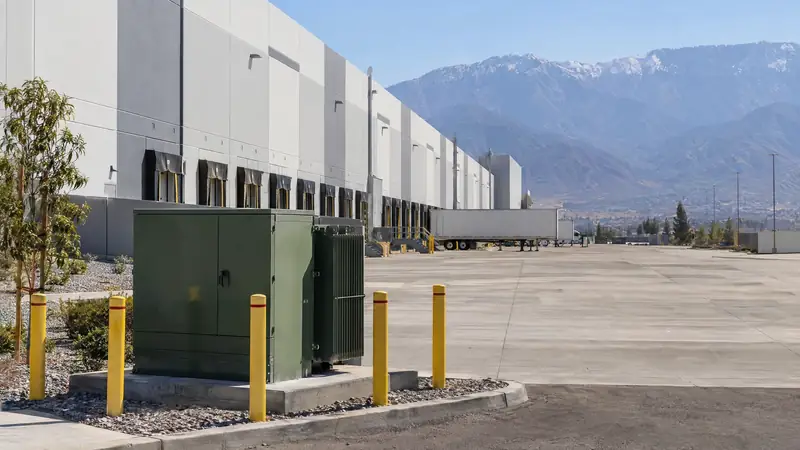
Warehouse electrical systems may include outdoor three-phase pad-mounted transformers, indoor dry-type units and unit substations serving larger loads. These are equipment categories to look for in your records, not claims about a particular Fontana facility. For projects spanning several cities, the Inland Empire transformer buying page covers the broader region.
02Warehouse Pad-Mounts, Dry Types and Spare Units
A warehouse may use a medium-voltage pad mount to supply 480Y/277 V for building loads, with downstream dry-type transformers supplying 208Y/120 V. The actual arrangement varies by building. Identify each transformer separately rather than describing an entire electrical installation as one unit.
Used transformers from Fontana should be described by operating history and present condition. Surplus transformers in Fontana may be unused project leftovers or spare equipment that was previously energized. Never-energized units should be identified clearly, with storage history and factory documents where available; see selling new-surplus transformers.
- Pad-mounted units: include compartment configuration and visible exterior condition.
- Dry types: identify enclosure, temperature rise and voltage connection.
- Unit substations: state which attached switchgear or accessories are included.
- Mixed lots: provide a separate nameplate photo and count for each rating.
03SCE Service Context: Verify Voltage and Ownership
Southern California Edison serves Fontana. SCE's documented distribution systems include 4 kV, 12 kV and 16 kV, with other voltages used across its territory. That does not establish the primary voltage at your building. Use the transformer nameplate and site electrical records rather than choosing a rating based on the city.
A transformer on private property is not necessarily privately owned. Confirm ownership or written authority to sell before requesting an offer; a property owner cannot sell utility-owned equipment. California Transformer Buyer is independent and is not affiliated with SCE.
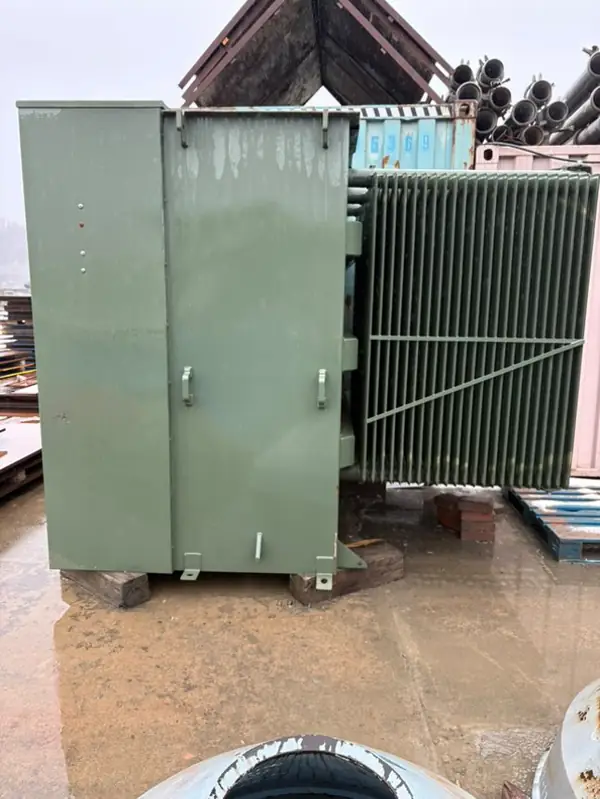
For three-phase pad-mounted transformers, photograph the full voltage designation and connection diagram when safely accessible. A grounded-wye designation, tap range or different secondary connection can materially affect compatibility.
04Nameplate Details That Make a Fontana Offer Useful
Start with a readable nameplate photo and overall exterior photos taken from a safe, authorized position. Do not open compartments to obtain information. If a label is inaccessible, send existing drawings, inventory records or factory paperwork instead.
Rating and condition matter more than a broad description such as “warehouse transformer.” A 1000 kVA unit with documented voltages, impedance and test history can be evaluated more clearly than an unidentified cabinet. Larger station-class equipment needs every cooling-stage rating, such as separate ONAN and ONAF MVA ratings.
- Manufacturer, serial number, year, kVA or MVA, phase and frequency.
- Primary and secondary voltages, connections, taps, impedance and BIL.
- Cooling class, temperature rise, fluid type and volume, if applicable.
- Listed weight, winding material and included accessories.
- Known leaks, rust, bushing damage, missing parts and available test reports.
05Pickup Planning Around Fontana's Freight Access
I-10, I-15 and SR-210 connect Fontana to the regional freight network, but the final approach to the transformer often determines pickup complexity. A loading dock does not automatically provide access to an outdoor pad. Share gate restrictions, truck circulation, overhead obstructions, appointment rules and whether the equipment is already removed.
Weight and dimensions help determine rigging and transportation requirements. Oversize or overweight loads may require Caltrans permits on state highways and separate local approvals. The transformer removal and pickup guide explains the information needed to establish responsibilities before scheduling.
Only the owner's qualified electrical contractor or serving utility should handle de-energizing and disconnection. Qualified personnel must account for possible backfeed from solar, batteries or generators. The written offer should identify who handles loading, rigging and freight rather than leaving those responsibilities assumed.
06Oil-Filled Units Need Fluid Records, Not Assumptions
Provide existing PCB labels, fluid test results and maintenance records for oil-filled equipment. Under federal classifications, non-PCB means below 50 ppm, not zero PCBs. Unknown status can require regulatory assumptions until testing or qualifying documentation establishes concentration.
California has stricter rules for PCB-containing oil: oil containing 5 ppm or more PCBs is excluded from the state's used-oil category. The correct management pathway depends on testing, documentation and the equipment's circumstances. A working transformer sold for reuse differs from drained oil or equipment determined to be waste.
Rely on qualified environmental professionals for determinations, particularly for leaks or failed units. Do not sample or drain equipment yourself. This information is not legal advice; the failed and scrap transformer page addresses equipment needing a different evaluation.
07Start a Fontana Transformer Review with Rocky
Call or text (951) 403-5738, or use the transformer offer request form. Include the Fontana location, quantity, ownership status, condition and whether the units remain connected. Reviewing your transformer costs nothing and there is no obligation.
Rocky reviews the information and may request test reports, fluid records or access details. If an offer is made, the written terms state what is included, who handles rigging and freight, and payment timing. Pickup and payment follow those agreed terms.
For property portfolios with equipment in multiple cities, label each location separately. The Ontario transformer selling page provides a nearby city reference, but each site's inventory and removal requirements still need their own review.
FAQSelling a Transformer in Fontana: FAQ
Can I request an offer before a warehouse transformer is disconnected?
Yes. Send existing records and photos obtainable from a safe, authorized position, and explain that the unit remains connected. An initial review can occur before removal, but any purchase and pickup must account for availability, qualified disconnection and site access. Do not arrange an outage solely on the assumption that the transformer will be purchased.
What if the nameplate is faded or missing?
Send the information you have, including equipment schedules, purchase documents, factory reports and exterior photos. A serial number or drawing may help identify specifications, but missing data can limit evaluation. Do not estimate voltage or capacity from cabinet size, and do not open energized equipment to search for another label.
Does a transformer need recent test results to be considered?
Available test reports help establish condition, but you can start a review without them. State what is known about operating history, storage, damage and the reason for removal. Rocky may ask for additional documentation depending on the equipment. Any required testing should be arranged through qualified professionals, not performed by an unqualified seller.
Can a contractor sell transformers left over from a Fontana project?
A contractor can submit equipment for review if the contractor owns it or has authority to sell it. Clarify whether the units belong to the contractor, property owner or another party. For unused leftovers, include original specifications, factory paperwork, quantity and storage condition, along with confirmation of whether any unit was ever energized.
Are older transformers automatically unsuitable because of efficiency rules?
No. DOE distribution-transformer efficiency standards apply to manufacture; they do not automatically make existing used or surplus units illegal to resell. Suitability still depends on specifications, condition, documentation and the intended application. Age alone is not enough to establish resale potential, and consideration does not guarantee a purchase.