01What a Transformer Buyer in Redding Can Review
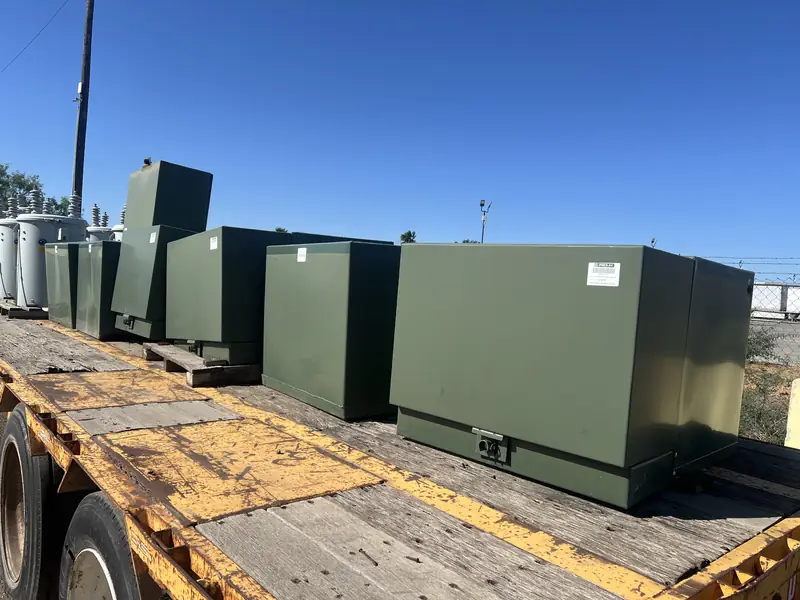
If you need a transformer buyer in Redding, California Transformer Buyer reviews equipment from commercial, industrial and other California sellers. Eligible categories include used units, pulled equipment, surplus inventory, project leftovers, spare transformers and new-surplus units that have never been energized. The company serves California statewide from Southern California; it does not claim a Redding office.
Redding’s industrial development, office and business facilities, and airport-related business access can bring different transformer configurations into a seller’s inventory. A property may have a pad-mounted distribution unit, a dry-type transformer serving building loads, or a larger unit substation connected to switchgear. These are examples of equipment to identify, not claims about any specific site or project.
- Single-phase and three-phase distribution transformers
- Pad-mount, pole-mount and dry-type units
- Unit substations and larger station-class equipment
- New-surplus units and mixed transformer lots
02Redding Electric Utility and the Nameplate Voltage
Redding Electric Utility (REU) serves the city and lists 12,000 V as its standard primary distribution voltage. That is useful context when identifying local distribution equipment, but it does not establish the voltage of a particular transformer. Verify the actual high-voltage and low-voltage ratings, connections and tap information from its nameplate.
Sellers should distinguish privately owned equipment from utility-owned assets. A property owner cannot sell a transformer that belongs to the serving utility. For an overview of local and regional service context, see the [Sacramento and Northern California service area]( Sacramento & Northern California transformer buyer coverage ).
03Transformer Types Found Around Redding Businesses
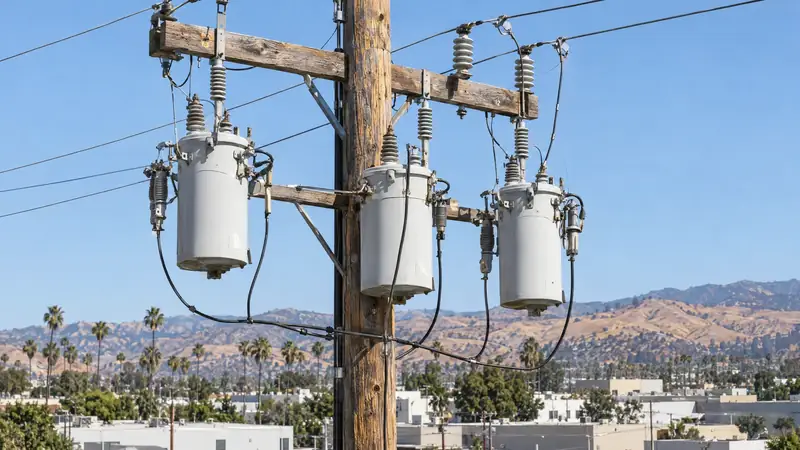
Business properties and industrial sites can use different equipment depending on the load and electrical design. A three-phase pad-mount may serve a facility distribution system; a unit substation may combine a transformer with close-coupled switchgear; and dry-type units are commonly installed indoors. For equipment that distributes power from overhead lines, compare the nameplate and configuration with these [pole-mount transformer types]( pole-mount transformer configurations ).
Stillwater Business Park has entitled industrial sites near Redding Regional Airport and I-5. Available sites should not be described as fully occupied factories. Sellers may have installed equipment, stored spares or project surplus, but the specific inventory depends on each property and its development status.
- Pad-mounted distribution units: note phase, kVA and primary/secondary voltage
- Dry-type units: record insulation type, rating and enclosure details
- Unit substations: include both transformer and switchgear information
- Solar or other step-up units: send all rating stages and test records
When the Unit Is Larger Than Distribution Equipment
Substation and station-class transformers may have multiple cooling ratings, radiators, fans, tap equipment and substantial shipping weights. Include all MVA or kVA stages, cooling designations, total weight and accessories in the first inquiry. See what information is useful for a [substation transformer review]( substation transformer buyer review ).
04What to Send for Used Transformers in Redding
Clear identification helps distinguish a marketable transformer from equipment with missing, uncertain or mismatched details. Take photos only from a safe position and only of equipment you are authorized to access. Do not open compartments or approach energized equipment to get a better picture; qualified electrical personnel handle access and electrical work.
A legible nameplate photo is the best starting point. Add overall views, quantity, condition and location, then include available test reports and fluid or PCB records. Details such as leaks, rust, damaged bushings or missing accessories should be disclosed rather than left for pickup day.
- Manufacturer, serial number and year of manufacture
- kVA or MVA ratings, phase and frequency
- High- and low-voltage ratings, connection and taps
- Impedance, cooling class and temperature rise
- Fluid type, gallons and PCB documentation, if applicable
- Weight, winding material and available test reports
05Pickup Planning on I-5, SR-44 and SR-299
Redding’s access to I-5, SR-44 and SR-299 helps describe the general transportation setting, but a pickup plan depends on the actual site and transformer. Share the property location, gate and operating restrictions, loading area, available turning space, overhead or other access constraints, and whether the unit is indoors, outdoors or in a vault. Do not move or prepare electrical equipment yourself.
Before scheduling, the written offer identifies what is included and who handles loading, rigging and freight. Large or heavy loads may require specialized planning, and oversize or overweight shipments on state highways may need Caltrans permits; local-road approvals can also apply. Review the steps for [transformer removal and pickup planning]( transformer removal, rigging and pickup ) before agreeing to a schedule.
06How to Request an Offer for Surplus Transformers in Redding
Call or text Rocky at (951) 403-5738, or use the website contact form. Send the nameplate and overall photos, quantity, location and condition. California Transformer Buyer may ask for test reports, ownership confirmation, environmental records or more detail about access before making a written offer.
The written offer states the proposed terms, what is included, who is responsible for rigging and freight, and payment terms and timing. Reviewing a transformer costs nothing and carries no obligation. To start with the right details, use the [transformer sale information and offer request]( contact and request an offer ) or read the [transformer selling process]( steps for selling a transformer ).
07Ownership, Condition and Environmental Records
A transformer must be owned by the seller or offered by someone authorized to sell it. If ownership is unclear, resolve that before arranging a sale; utility-owned equipment on private property is not the property owner’s to sell. For equipment that has been removed, include records that identify the unit and show its current condition.
PCB status should be supported by testing and documentation, with help from qualified environmental professionals where needed. Unknown status should not be guessed from appearance or age alone. California’s rules for PCB-containing oil and used oil depend on the facts and records; this information is general and is not legal advice.
08Compare Redding with Nearby Northern California Markets
Redding is part of a broader Northern California service area, but local utility ownership and site conditions still matter. Sellers can also review information for [Chico transformer sellers]( transformer buyers serving Chico, California ), [Roseville businesses]( transformer buyers serving Roseville, California ) and [Sacramento facilities]( transformer buyers serving Sacramento, California ). Each location has its own equipment, ownership and pickup details.
FAQSelling a Transformer in Redding: FAQ
Does Redding Electric Utility’s 12,000 V standard mean my transformer is 12 kV?
No. REU’s 12,000 V standard primary distribution voltage is useful local context, but a specific unit may have a different rating, have served a different system, or be a transformer on the secondary side of a facility. Check its nameplate for high-voltage rating, connection and taps. Send a clear photo so the actual configuration can be reviewed.
Can I sell a transformer that is still connected at my Redding property?
You can ask for a review, but only the owner or an authorized representative can sell the equipment. Do not disconnect, open or move a connected transformer. The owner’s qualified electrical contractor or serving utility handles isolation and disconnection, including any consideration of backfeed from solar, batteries or generators.
Will you consider a transformer that is damaged or missing parts?
Share the condition accurately, including leaks, corrosion, damaged bushings, missing accessories or known operating issues. The buyer reviews each unit based on its specifications, condition, documentation and removal requirements; not every transformer will be suitable for purchase. Do not attempt repairs or drain fluid to prepare it for review.
What if I do not know the kVA or voltage?
Send a readable nameplate photo if one is accessible from a safe position. If it is missing, unreadable or inaccessible, provide overall photos, any available drawings or test records, approximate dimensions and the equipment’s location. Do not enter restricted areas or open a compartment to find the information; qualified site personnel should handle any access.
Can I include several transformers in one inquiry?
Yes. List the quantity and identify each unit separately when possible, with its own nameplate and overall photos. Mention whether the transformers are stored together or at different locations and note any mixed new-surplus and used inventory. Separate records help avoid confusing ratings, ownership documents or test reports between units.
How should I handle old oil or uncertain PCB records?
Do not drain, sample or dispose of transformer oil to prepare for a sale. Gather existing PCB labels, laboratory results and fluid records, and consult qualified environmental professionals about testing and handling. PCB classification and California oil-management requirements depend on testing and documentation; this page is not a substitute for environmental or legal advice.