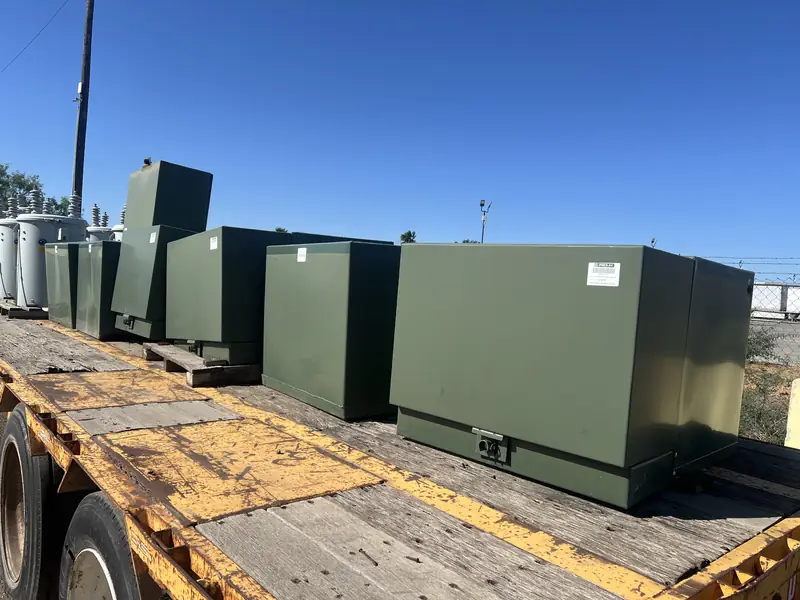
01A Transformer Buyer in San Luis Obispo for Local Equipment
If you are looking for a transformer buyer in San Luis Obispo, California Transformer Buyer reviews used, pulled, surplus, new-surplus, decommissioned, and spare electrical transformers. Rocky works with California sellers, from owners clearing one unit to facilities or contractors with several units or a mixed lot. Reviewing your transformer costs nothing and creates no obligation.
The city’s established technology and innovation, education and research, agriculture-related business, and tourism and hospitality activity can mean different kinds of electrical equipment at commercial, institutional, agricultural, and visitor-serving properties. The 2023 city economic plan identifies those sectors; it does not establish that any particular facility or project has a transformer available for sale.
For more about the service area, see Central Coast and Ventura County transformer buying. If you searched for a San Luis Obispo transformer buyer near me, the company serves the entire state from its base in Riverside County.
02Transformer Types That May Come From San Luis Obispo Sites
Equipment depends on the property and electrical design. A warehouse or commercial site could have a three-phase pad-mount supplying building loads; a campus may use a unit substation close-coupled to switchgear; and a technology facility may have dry-type transformers or larger distribution equipment. These are examples of possible equipment, not claims about specific local sites.
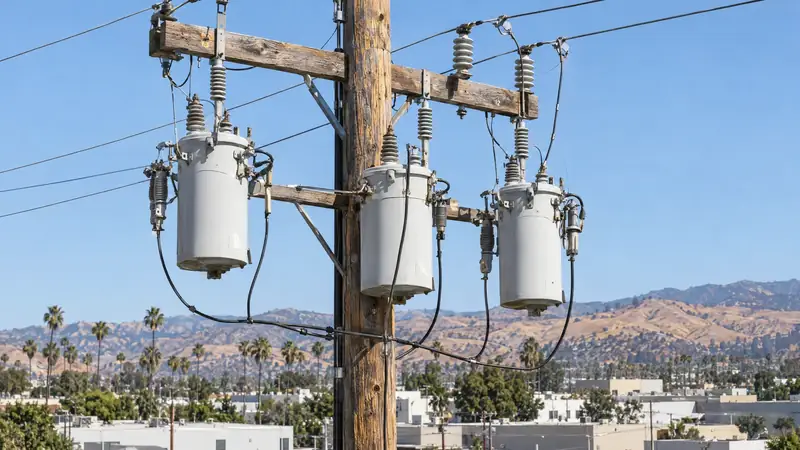
Agriculture-related properties can have distribution equipment serving processing, pumping, or other electrical loads. Pole-mounted units may also be present on private systems, but ownership and access must be confirmed. See transformers used by agriculture and water operations and common pole-mount transformer configurations.
- Pad-mount and pole-mount distribution transformers
- Dry-type units and unit substations
- Spare, removed, or project-surplus equipment
- Larger station-class or specialty units, if present
| Possible equipment | Useful details to send |
|---|---|
| Pad-mount distribution unit | kVA, phase, primary and secondary voltage |
| Dry-type or unit substation | Rating, enclosure, nameplate, switchgear arrangement |
| Pole-mount transformer | kVA, voltage, configuration, ownership |
| Station-class unit | MVA ratings, cooling, accessories, test records |
03PG&E Service Context: Use the Nameplate, Not an Assumption
Pacific Gas and Electric (PG&E) is the serving utility listed for San Luis Obispo. PG&E distribution equipment can include 12 kV-class and nominal 21 kV-class configurations; its Rule 2 lists primary configurations including 4,160 V, 12,000 V, 17,200 V, and 20,780 V. These are utility-system references, not a statement that a specific property or transformer uses any one voltage.
The actual transformer nameplate is the reliable source for its primary and secondary voltages, connection, taps, phase, and rating. Include a clear nameplate photo so the buyer can compare the unit’s actual configuration rather than infer it from the city or utility. See common transformer voltage configurations.
A property owner cannot sell equipment owned by PG&E or another utility. Confirm that you own the transformer or have authority to sell it before requesting an offer.
04What to Send for Used Transformers in San Luis Obispo
To evaluate used transformers in San Luis Obispo, send enough information to identify the equipment and understand its condition. Text photos to (951) 403-5738 or use the website form. Take photos only from a safe position and only of equipment you are authorized to access; do not open compartments or approach equipment if doing so is unsafe.
A readable nameplate can show manufacturer, serial number, year, kVA or MVA, phase, voltages, taps, impedance, cooling class, and fluid information. Overall photos help show the tank or enclosure, visible condition, accessories, and the space around the unit. Test reports and available fluid or PCB records can help answer follow-up questions.
For surplus transformer sales, also say whether the unit is new-surplus and never energized, or previously energized, and whether it is crated, on skids, or installed. Provide the quantity, exact site location, known condition, and any relevant ownership or access details.
- Nameplate and overall equipment photos
- Quantity, location, and condition
- Test reports and available records
- Known site-access limitations
05Pickup Planning Along US-101, SR-1, and SR-227
San Luis Obispo is connected by US-101, SR-1, and SR-227. These routes provide useful location context, but a suitable pickup route depends on the equipment, vehicle and rigging requirements, site entrance, and any local restrictions. Share the property location and access constraints early so responsibilities can be assessed before pickup.
Tell Rocky whether the transformer is indoors or outdoors, at grade or elevated, and whether there are gates, low clearances, narrow drives, loading limits, or restricted work hours. Do not move, disconnect, or prepare energized equipment yourself. The owner’s qualified electrical contractor or serving utility handles isolation and disconnection; qualified personnel must also address any solar, battery, or generator backfeed.
The written offer states what is included and who handles loading, rigging, and freight. For details about the process, see transformer removal and pickup planning. Oversize or overweight loads may require permits or additional route coordination, depending on the equipment and route.
06New-Surplus, Project Leftovers, and Emerging Regional Work
New-surplus transformers are units that have never been energized and are often crated or stored on skids. Send photos of the packaging and nameplate, plus any purchase, storage, or factory test documents available. A spare or project leftover may also be worth reviewing even if it has been stored for some time.
Regional offshore-wind and battery proposals are emerging opportunities, not evidence of operating projects inside San Luis Obispo. Do not assume a local proposal means a particular transformer type is in service or available. Equipment is assessed on its own rating, condition, documentation, configuration, and logistics.
California Transformer Buyer also considers new-surplus transformer equipment and substation and station-class transformers when sellers have units that fit those categories.
07How to Request an Offer from Rocky
Start by calling or texting (951) 403-5738, or submit the website contact form. Include your name, phone number, equipment location, quantity, condition, and photos. A clear first message helps identify the transformer and flag questions about records, ownership, or site access.
Rocky reviews the information and may ask for test reports, fluid or PCB documentation, or clarification about the unit and pickup conditions. If the equipment is a fit, you receive a written offer that states the price, what is included, who handles rigging and freight, and payment terms and timing. Terms are provided in writing before pickup.
To begin, use the contact form to request an offer or read how to sell your transformer.
FAQSelling a Transformer in San Luis Obispo: FAQ
Will California Transformer Buyer consider a single transformer?
Yes. California Transformer Buyer considers single units as well as multiple transformers, full yards, and mixed lots from sellers in California. A single transformer is not automatically a fit; the rating, condition, documentation, ownership, and pickup requirements all matter. Send its nameplate and overall photos with the location and condition so Rocky can review the specific equipment.
Can I sell a transformer that is still installed?
An installed unit can be reviewed, but the seller must own it or have authority to sell it, and removal arrangements must be addressed before pickup. Do not disconnect, open, or move the transformer yourself. The owner’s qualified electrical contractor or serving utility handles electrical isolation and disconnection. Share access details and let the written offer identify who is responsible for rigging and freight.
What if the transformer has no test report or PCB paperwork?
Send whatever records you have and state plainly which documents are missing. Rocky may ask follow-up questions about testing, fluid, or PCB status. Do not guess at a PCB classification from age or appearance; rely on testing, documentation, and qualified environmental professionals to determine the appropriate status and handling. Environmental guidance here is general information, not legal advice.
Does a transformer need to be working to be considered?
Not necessarily. The company reviews used, removed, decommissioned, spare, and surplus units, but acceptance depends on the particular transformer and its condition. Describe known faults, leaks, damage, missing parts, or prior test results rather than presenting an uncertain unit as operational. Failed or leaking equipment may need additional environmental and handling review before any sale or removal can be arranged.
How do I know if a unit is new-surplus or used?
New-surplus means the transformer has never been energized; these units are commonly kept crated or on skids. A transformer that has previously been energized is used, even if it is currently stored and not connected. Share the history you know and photos of the unit, packaging, and nameplate. If its status is uncertain, explain that rather than assuming.
Can I get an offer before arranging disconnection?
You can send photos and available information for an initial review before the equipment is disconnected. The offer and pickup plan still depend on the unit’s condition, ownership, access, and the work required. Electrical isolation and disconnection must be handled by the owner’s qualified electrical contractor or the serving utility, not by the seller. Confirm the written terms and responsibilities before pickup is scheduled.