01Sell an Allis-Chalmers Transformer in California
If you own an Allis-Chalmers transformer or are authorized to sell it, California Transformer Buyer can review used, removed, surplus, new-surplus, and decommissioned units located in California. We consider single transformers as well as multiple units or mixed equipment lots.
Call or text Rocky at (951) 403-5738, or use the [contact form](contact page for an offer). Send the unit’s nameplate photos, overall photos taken from a safe position, quantity, location, and known condition. Reviewing a transformer costs nothing and creates no obligation.
- Used and pulled transformers
- New-surplus units, including crated equipment
- Spare units and project leftovers
- Individual units and mixed lots
02Allis-Chalmers Transformer History and Design Lineage
Allis-Chalmers is a historical U.S. power-transformer manufacturer. Its older station-class nameplates can still appear in the resale market. Archival transformer history records the company’s exit from power-transformer manufacture in 1976, with designs subsequently built by Siemens.
That history does not establish that every existing transformer is interchangeable with a later design or that every factory-specific service question has the same answer. Verify support, replacement parts, and compatibility for the specific unit with qualified technical resources. California Transformer Buyer is an independent buyer and is not affiliated with Allis-Chalmers or Siemens.
What product types are documented?
The verified manufacturer record identifies legacy power and substation transformers. A particular unit may have a different configuration or use, so rely on its nameplate and records rather than assuming a product line from the brand alone.
For other equipment categories, see our information on [substation transformer buyers](substation transformer purchasing) and [pad-mount transformer buyers](pad-mount transformer purchases).
03Which Used Allis-Chalmers Transformers We Review
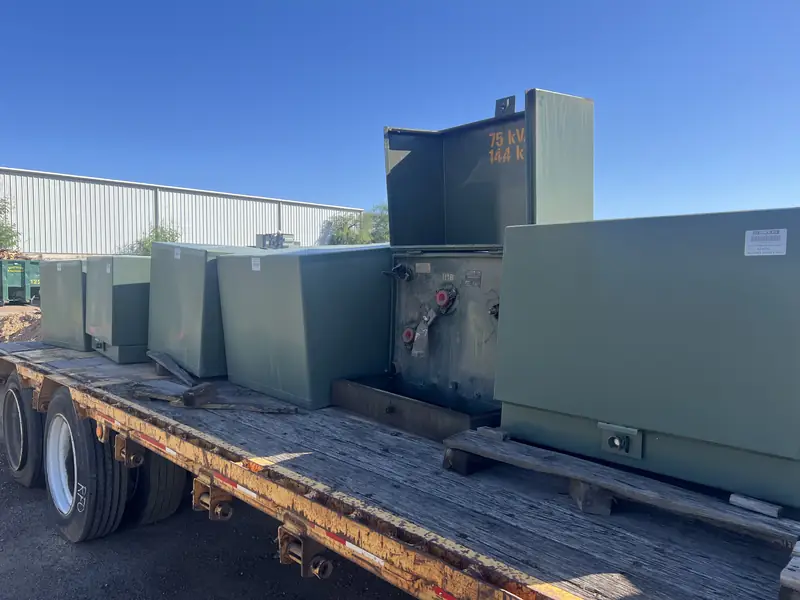
We review units based on the information available for the specific transformer, not on the badge alone. Older station-class equipment may have a substantial MVA rating and specialized accessories; other units may be smaller or have incomplete records. The actual nameplate, condition, and potential use are central to the review.
A unit’s age does not automatically rule it in or out. Working equipment, pulled units, new-surplus inventory, and failed or incomplete transformers can all be described for review, though the final offer depends on condition, documentation, and the costs and complexity of handling the equipment.
- kVA or MVA rating and cooling stages
- Primary and secondary voltage, taps, and connection
- Phase, impedance, BIL, and cooling class
- Fluid type, gallons, and PCB records when applicable
- Accessories, missing parts, and visible condition
- Test reports and site access
04Where to Find an Allis-Chalmers Transformer Nameplate
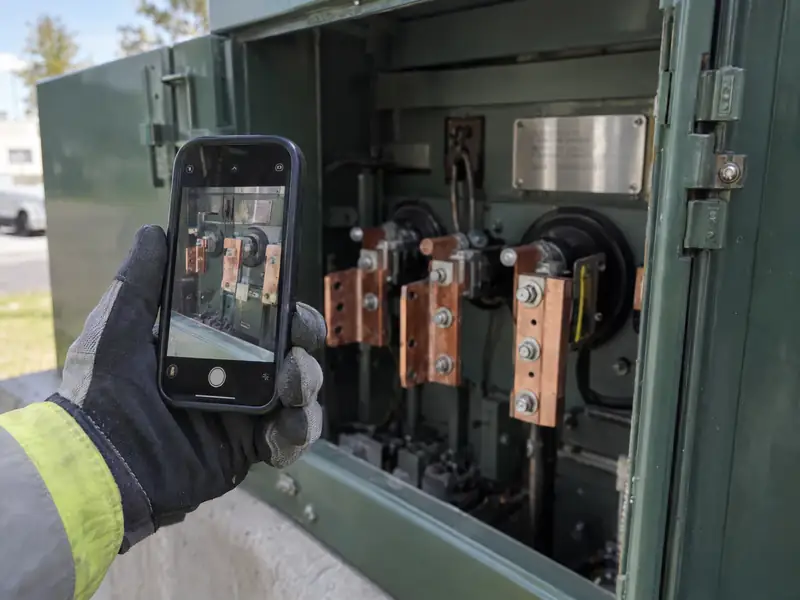
Look for a manufacturer’s data plate attached to the transformer tank or enclosure. On a large station unit, it may be near an accessible side of the main tank or among the equipment’s identification plates. Plate placement varies, and the plate may be weathered or partly obscured. Do not open compartments or approach equipment unless you are authorized and can do so safely.
Take clear photos from a safe position. Capture the full plate first, then closer images of fields that are difficult to read. If there are several plates, photograph each one; the operating nameplate, serial plate, and accessory plates may contain different information. Our guide explains [how to read transformer nameplate fields](transformer nameplate details).
Serial number, style number, and year
On Allis-Chalmers equipment, check the nameplate for a serial number and any catalog, style, or identification number. The year may be labeled as the year of manufacture or appear in a separate date field; do not assume that a number within a serial or style code is a year without documentation.
If a field is illegible or absent, send the best available photo and say what is uncertain. Older records, test reports, or purchase documents may help identify the unit, but do not guess at missing values.
05What to Send for an Allis-Chalmers Transformer Review
Along with nameplate and overall photos, provide the transformer’s location in California, quantity, known condition, and whether it is installed, removed, or new-surplus. Helpful records include factory test reports, oil test or DGA results, insulation-resistance and turns-ratio tests, ownership information, and PCB documentation.
For larger substation equipment, note known site access limits and whether radiators, bushings, fans, or other parts are present. Do not move, disconnect, open, drain, or sample the transformer to prepare a quote. De-energizing and disconnecting are tasks for the owner’s qualified electrical contractor or serving utility.
- Full and close-up nameplate photos
- Overall equipment photos
- Quantity, California location, and condition
- Available test and fluid records
- Known accessories, missing parts, and access limits
06Age, Condition, and Rating Matter More Than the Brand
The Allis-Chalmers name helps identify a unit’s history, but it does not set its value by itself. Buyers also consider kVA or MVA, voltages, phase, taps, connection, impedance, cooling class, winding material when listed, and whether the transformer is complete and supported by useful records.
Leaks, corrosion, bushing damage, missing components, and test results can affect the assessment. A newer or more recognizable nameplate is not automatically more desirable than an older unit with a useful rating and solid condition. See [factors that affect a used transformer’s value](used transformer value factors) for more context.
07Written Offer and Pickup Terms
After reviewing the information, Rocky may ask follow-up questions about test results, fluid or PCB records, ownership, and site access. If we make an offer, it is provided in writing and states the price, what is included, who handles loading or rigging and freight, and payment terms and timing.
Pickup is scheduled under the written terms. Sellers must own the equipment or have authority to sell it; property owners cannot sell utility-owned transformers located on their property. To start a review, text photos to (951) 403-5738 or use the [transformer selling process](steps for selling a transformer).
FAQAllis-Chalmers FAQ
Does California Transformer Buyer purchase every Allis-Chalmers transformer?
No purchase is guaranteed. California Transformer Buyer reviews each unit using its rating, condition, documentation, configuration, and removal requirements. A transformer with missing information or damage can still be described for review, but the available records and the practicality of handling it affect whether an offer is made. Send the details for the specific unit rather than relying on the brand name alone.
Can I sell an Allis-Chalmers transformer without a readable serial number?
Yes, you can submit the equipment for review even if the serial number is worn, obscured, or missing. Send clear photos of every plate and include any purchase, test, or maintenance records you have. If you cannot confirm the year or identification number, state that rather than estimating it; a buyer can review the available information and ask follow-up questions.
Does Siemens manufacture every replacement for an Allis-Chalmers transformer?
No. The historical design lineage notes that designs were subsequently built by Siemens, but that does not mean every Allis-Chalmers unit has a direct replacement or universally interchangeable parts. For support or engineering decisions, confirm the specific transformer’s design and service requirements with qualified technical resources. A brand relationship alone is not enough to establish compatibility.
Do you buy Allis-Chalmers transformers that are leaking or have failed?
You may send information about a leaking, failed, or incomplete unit for an assessment, but acceptance and offer terms depend on its condition, records, and handling needs. Include photos taken safely and any available test or fluid documentation. Do not drain, sample, open, or move the transformer yourself; use qualified electrical and environmental professionals for those tasks.
What PCB information should I provide for an older transformer?
Send any existing PCB labels, test results, and fluid or maintenance records, and identify what is unknown. Do not infer PCB status from the Allis-Chalmers name or from age alone. PCB classification and California management requirements depend on testing and qualifying documentation; sellers should consult qualified environmental professionals. This information is general and is not legal advice.
Can I sell a utility-owned Allis-Chalmers transformer on my property?
Only the owner or someone with authority to sell the equipment can do so. A transformer located on private property may still belong to a serving utility, and its location does not establish ownership. Confirm ownership before requesting an offer. If the utility owns the transformer, the property owner cannot sell it as their own equipment.