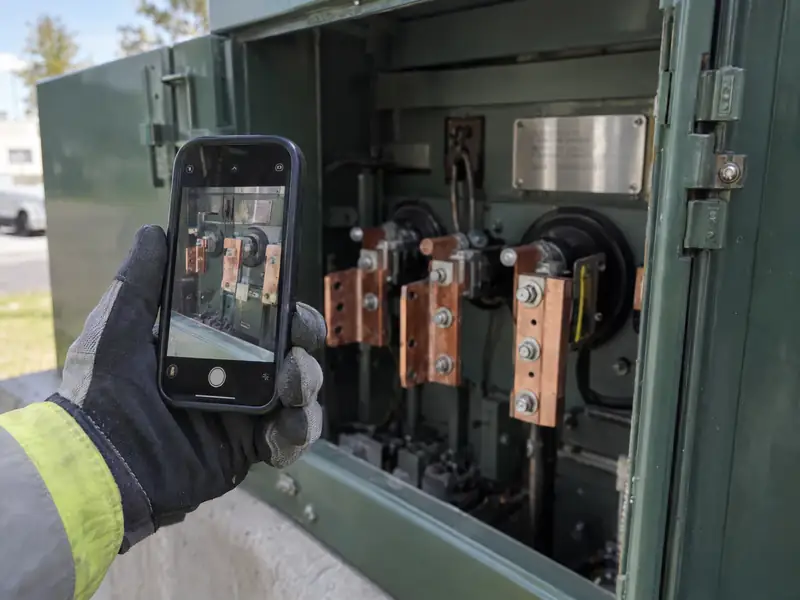
01Power Partners Transformer Background and Ownership Context
Power Partners is a utility distribution-transformer name associated with the Athens, Georgia operation. Verified manufacturer information lists overhead distribution and distribution specialty products, and identifies current or legacy Power Partners nameplates. That background can help identify equipment, but it does not establish the specifications or condition of a particular unit.
Power Partners entered ERMCO through the Spire acquisition, and contemporary ERMCO literature lists Power Partners within the group. The recorded parent or successor relationship is ERMCO / AECI. California Transformer Buyer is an independent buyer and is not affiliated with Power Partners, ERMCO, AECI, or any utility.
02Which Power Partners Transformers We Review
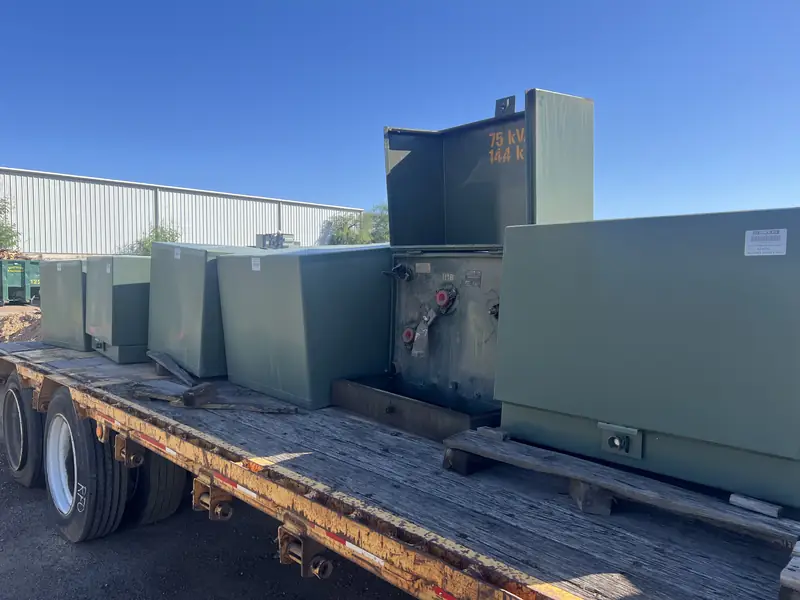
We review Power Partners equipment offered by California sellers, including used, removed, surplus, new-surplus, spare and project-leftover transformers. We can consider single units or multiple units, subject to the equipment details and written terms. New-surplus means never energized equipment, often still crated or on skids; identify its storage and packaging condition.
A Power Partners pad mount transformer should be assessed from its actual nameplate and configuration rather than assumed from the brand. Send the voltage, phase, kVA and enclosure details. We also review other distribution and specialty units; for comparisons by enclosure and application, see our [pad-mount transformer buyer page](pad-mount transformer buyer page) and [dry-type transformer guide](dry-type transformer guide).
03How to Sell a Power Partners Transformer in California
Start with the equipment’s identification and operating details. A photo of the full nameplate is more useful than a brand label alone because it can show the rating, voltage, serial number and construction. If the plate is worn or partly obscured, send readable close-ups of the visible sections as well as a full view.
The Power Partners transformer nameplate is often mounted on the exterior of the tank or enclosure. Look for serial number, year of manufacture, catalog or style number, kVA, phase, primary and secondary voltages, taps, impedance and cooling information. Layout and terminology vary, and a serial number or catalog number should not be treated as a reliable year decoder without supporting documentation. See [how to read a transformer nameplate](how to read a transformer nameplate) for other fields buyers use.
- Photograph equipment only from a safe position and where you are authorized to access it.
- Do not open compartments or move equipment to reach a plate; ask qualified site personnel to help if needed.
04Ratings, Age and Condition Matter More Than the Logo
Brand helps verify identity, but the offer depends more on the individual transformer. Buyers compare kVA or MVA rating, phase, primary and secondary voltages, taps, connection, impedance, cooling class, winding material when stated, and the unit’s age and condition. A common, clearly documented voltage configuration may have a different resale market from a specialized one.
Visible leaks, corrosion, damaged bushings, missing accessories or other damage can affect review. For liquid-filled equipment, fluid type and gallons, PCB records and test reports can matter; dry-type equipment is assessed using its insulation and cooling details. Factory test reports and available field test records help support an assessment. Learn more about the factors in [used transformer value](used transformer value factors).
05What to Send with Your Power Partners Nameplate Photos
Send enough information to connect the nameplate to the actual equipment. Include overall photos of the tank or enclosure, bushings and accessories, plus close-ups of any visible damage. For a lot, state the number of units and identify which photos match each transformer.
Rocky reviews the information and may ask about ownership, test records, fluid or PCB documentation, site access and removal requirements. The seller must own the equipment or have authority to sell it; utility-owned equipment located on private property cannot be sold by the property owner.
- Nameplate photos, including serial and catalog or style number if shown
- Overall and condition photos
- Quantity, California location and known condition
- Test reports and fluid or PCB records, if available
- Whether equipment is used or never energized
06Documentation, PCB Status and Safe Equipment Handling
For liquid-filled transformers, provide existing fluid and PCB test records or labels; do not infer PCB status from age or appearance. Federal classifications distinguish non-PCB equipment below 50 ppm, PCB-contaminated equipment from 50 to below 500 ppm, and PCB Transformers at 500 ppm or more. “Non-PCB” does not mean zero PCBs. California has stricter rules for PCB-containing oil, and the correct management pathway depends on testing and documentation.
This information is general and not legal advice. Sellers should rely on records, testing and qualified environmental professionals to determine status and handling requirements. De-energizing, disconnecting, testing, loading and removal must be handled by qualified personnel or the serving utility as applicable; sellers should not attempt electrical or fluid work themselves.
07Written Offer and Pickup Terms for California Sellers
Call or text Rocky at (951) 403-5738, or submit the website contact form. You can also text photos to that number. Reviewing your transformer costs nothing and creates no obligation. See [how the selling process works](the transformer selling process) or [contact California Transformer Buyer](request an offer) to get started.
If the unit fits the buyer’s requirements, the written offer states the price, what is included, who handles loading or rigging and freight, and payment terms and timing. Pickup is scheduled according to those terms. For large or difficult-to-access equipment, include site conditions early so responsibilities can be clarified before pickup.
FAQPower Partners FAQ
Does California Transformer Buyer purchase every Power Partners transformer?
No purchase is guaranteed. California Transformer Buyer reviews the specific unit, its rating, condition, documentation, location and removal requirements before deciding whether to make an offer. A Power Partners nameplate is useful for identification, but it does not by itself establish resale suitability. Send the available details for review; if an offer is made, the included equipment and terms are stated in writing.
What if the Power Partners nameplate is missing or unreadable?
Send clear photos of the visible plate area, any remaining labels and the complete transformer from a safe position. Include any original purchase, maintenance or test records that may identify the unit. Do not remove panels or attempt to uncover a hidden plate. If the manufacturer, serial number or rating cannot be confirmed, explain that when you contact Rocky so the uncertainty is considered in the review.
Can I sell a Power Partners transformer that is still connected?
You can request a review, but do not disconnect, de-energize or move the equipment yourself. Those tasks must be coordinated with the owner’s qualified electrical contractor or the serving utility, as applicable. Make clear whether the transformer is operating, isolated or awaiting removal, and describe who controls access to the site. The written offer will state who is responsible for loading, rigging and freight.
Does a newer or never-energized transformer always have more value?
Not automatically. A new-surplus unit may be attractive, especially if its identity, storage condition and documentation are clear, but rating, voltage, condition and buyer demand still matter. A used transformer with useful specifications and strong records may also be considered. State whether it has ever been energized, how it has been stored and whether test reports or original paperwork are available.
Can I sell several Power Partners units as one lot?
Yes, you can submit details for multiple transformers or a larger equipment lot. Provide the quantity and, where possible, a separate nameplate photo and overall photo for each unit. A simple list matching each unit to its rating, condition and location helps avoid confusion. The buyer will review the lot details and set out in writing which units, if any, are included in an offer.
Do you buy Power Partners transformers outside California?
California Transformer Buyer buys from sellers located in California only. If the transformer is in California, contact Rocky even if you are managing the equipment for a company based elsewhere. Include the physical site location and confirm that you own the equipment or have authority to sell it. Equipment owned by a utility cannot be sold by a property owner merely because it is on that property.