01Transformer buyer Murrieta: equipment local facilities may have
Murrieta's life-science, medical-technology and research businesses can have electrical equipment ranging from building-service transformers to larger units serving specialized facilities. The Murrieta Innovation Center supports life-science and medical-technology businesses, but each site's transformer type and ownership need to be confirmed from its records and nameplate.
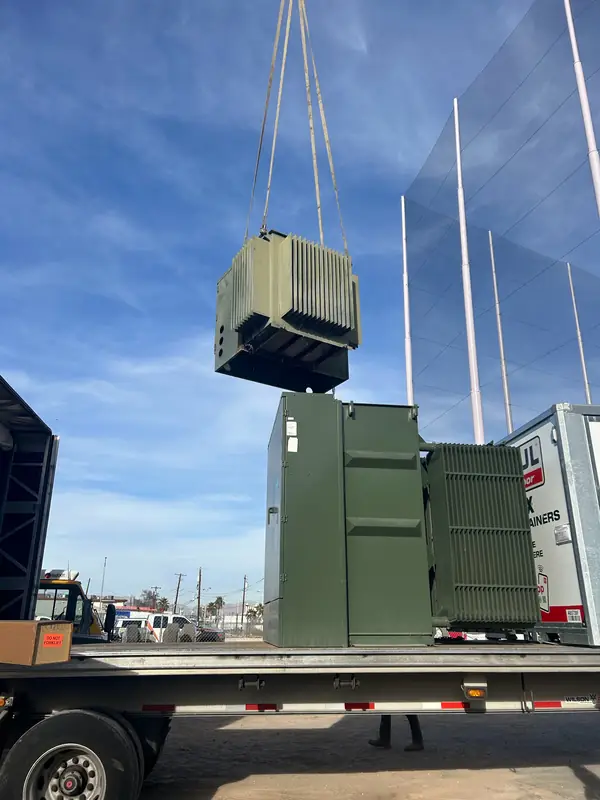
A facility may have a three-phase pad-mount transformer, a dry-type unit serving interior loads, or a unit substation coupled to switchgear. Project changes, equipment upgrades and spare inventories can also leave used, decommissioned or new-surplus units available for review. California Transformer Buyer considers individual units and mixed lots from California sellers.
- Pad-mounted distribution transformers at outdoor service locations
- Dry-type or unit-substation equipment at commercial and research facilities
- Spare, replacement or project-surplus transformers
- Solar or storage step-up equipment, when present and documented
02Murrieta's SCE service area and transformer nameplate voltages
Southern California Edison (SCE) is the utility listed for Murrieta. SCE distribution systems include 4 kV, 12 kV and 16 kV, with 25 kV and 33 kV also documented. These are service-area context, not a substitute for checking the actual transformer nameplate or confirming the serving utility for a specific property.
For a potential sale, provide the exact primary and secondary voltage, phase, kVA or MVA rating, tap information and connection if readable. A 480Y/277 V or 208Y/120 V secondary, for example, identifies different service configurations; do not assume a rating or voltage from the building type. See the guide to [transformer voltages](common transformer voltages and nameplate details).
03Pad-mounts, unit substations and other configurations to identify
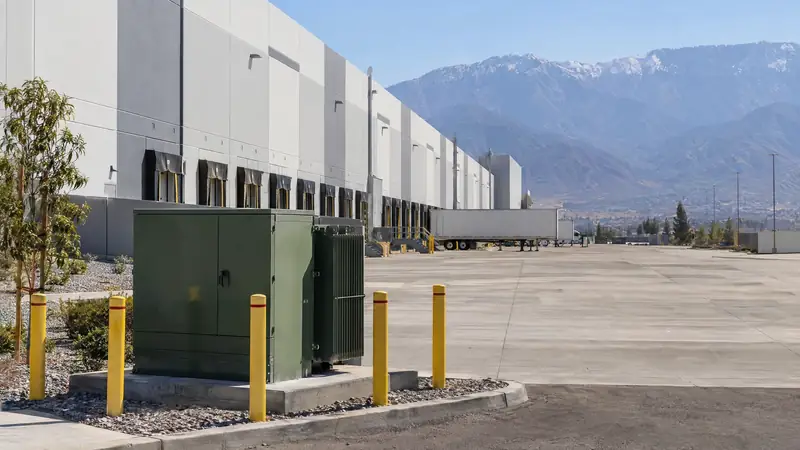
A three-phase pad-mount is a common distribution configuration for outdoor commercial service. Its nameplate can show the primary and secondary voltage, kVA rating, impedance, BIL, cooling information and fluid type. Share an overall photo from a safe position as well as a readable nameplate image, if you are authorized to access the equipment.
Larger facilities may use a unit substation, which combines a transformer with primary and secondary equipment, or a station-class transformer serving a broader electrical system. Tell Rocky whether the transformer is indoors or outdoors, whether it is dry-type or liquid-filled, and what connected equipment or accessories are included. Learn more about [three-phase pad-mount transformers](three-phase pad-mount transformer configurations).
04What to send for a Murrieta transformer review
A clear description helps distinguish a usable transformer from an incomplete or difficult-to-identify unit. Text photos to (951) 403-5738 or use the website contact form. Take photos only from a safe position and only of equipment you are authorized to access; do not open compartments or approach exposed electrical hazards.
Include test reports, fluid or PCB records and ownership information if available. These documents can clarify condition, reuse potential and how the equipment should be handled. For used or surplus units, the [transformer buyer information for surplus equipment](surplus transformer review and documentation) explains what details are useful.
- Nameplate photo and overall equipment photos
- Quantity, location and current condition
- Known test reports and maintenance records
- Fluid type and PCB documentation, if available
- Site access notes and whether the unit is new-surplus or used
05Plan pickup around access, rigging and I-15 or I-215
Murrieta's connection to I-15 and I-215 helps describe the general area for a pickup, but route access alone does not determine how a transformer can be removed. Share the site entrance, loading-area constraints, indoor or outdoor location, overhead or doorway limits, and any scheduling or escort requirements that apply.
Transformers can be heavy and may require qualified rigging, suitable loading equipment and freight planning. Do not disconnect, de-energize or move a unit yourself. The owner's qualified electrical contractor or serving utility handles electrical isolation and disconnection; the written offer identifies who handles rigging and freight. Review the [transformer pickup and removal process](transformer removal, rigging and pickup planning) before scheduling.
06How a Murrieta seller receives a written offer
Start by calling or texting Rocky at (951) 403-5738, or submit the details through the contact form. California Transformer Buyer reviews used, pulled, decommissioned, spare, project-leftover and new-surplus transformers from California sellers. New-surplus typically means a unit that has never been energized and remains crated or on skids.
After reviewing your information, Rocky may ask follow-up questions about test results, fluid records, ownership, condition or access. If the unit is a fit for review, you receive a written offer stating the price, what is included, who handles loading, rigging and freight, and payment terms and timing. Review the [steps for selling a transformer](how the transformer offer and pickup process works) so the responsibilities are clear before pickup.
07Confirm ownership and environmental records before sale
A property owner or contractor must own the transformer or have authority to sell it. Utility-owned equipment located on private property cannot be sold by the property owner. If ownership is unclear, resolve that question with the responsible owner or utility before proceeding.
For liquid-filled equipment, rely on available PCB testing, fluid documentation and qualified environmental professionals to determine the appropriate handling pathway. California has specific rules for PCB-containing oil, and the correct determination depends on testing and records. This information is not legal advice. For help starting a review, use [contact options for California sellers](contact California Transformer Buyer for an offer).
FAQSelling a Transformer in Murrieta: FAQ
Does California Transformer Buyer buy only large transformers in Murrieta?
No. California Transformer Buyer reviews single units as well as larger lots, including distribution transformers and larger power or substation equipment. Whether a specific unit is suitable depends on its rating, configuration, condition, documentation and removal requirements. Send the nameplate and overall photos, along with the quantity and location, so Rocky can assess what you have.
Can I sell a transformer that is still installed at my Murrieta facility?
You can ask for a review while a transformer is installed, but do not disconnect, de-energize or move it yourself. The owner's qualified electrical contractor or the serving utility must handle electrical isolation and disconnection. Provide site details and photos taken from a safe, authorized position; any offer should state who is responsible for loading, rigging and freight.
What if my transformer has no readable nameplate?
Send clear overall photos and any available records, such as prior test reports, purchase documents or maintenance information. Include the approximate size, configuration, quantity, location and known condition, but avoid guessing at voltage or kVA. Rocky may ask follow-up questions. Without reliable identification or supporting records, the unit may be harder to evaluate.
Will you consider a transformer with a leak or known damage?
Share the condition accurately, including visible leaks, rust, bushing damage, missing parts or known failures. California Transformer Buyer reviews equipment information, but a review does not mean every condition will be accepted. Leaking or failed equipment can require a different environmental and handling determination, so provide available records and consult qualified environmental professionals where appropriate.
Can I sell a transformer that belongs to SCE but sits on my property?
No. A property owner cannot sell utility-owned equipment merely because it is located on the property. Confirm ownership and sale authority before requesting an offer. If the transformer is privately owned, send the available ownership information with the nameplate photos and site details; utility service in the area does not by itself establish who owns a particular unit.
Do I have to accept an offer or pay for a review?
Reviewing your transformer costs nothing and creates no obligation to sell. If you receive a written offer, check the equipment description, included items, price, pickup responsibilities, freight arrangements and payment terms before deciding. The written terms should be clear before pickup is scheduled, so ask questions about any item you do not understand.