01Transformer Buyer Long Beach: Equipment We Review
Long Beach’s port and maritime logistics, aerospace and aviation, manufacturing, and oil-related activity can put a wide range of electrical equipment on local sites. California Transformer Buyer reviews operating spares, removed units, project leftovers, and equipment held for future use, whether it is one transformer or part of a larger lot.
Depending on the facility and its electrical design, sellers may have outdoor pad-mounted distribution units serving warehouses, dry-type transformers in buildings, or pole-mounted equipment at industrial properties. Solar or storage installations may have step-up transformers, while larger campuses can have unit substations close-coupled to switchgear. A downtown property may have network equipment; the actual configuration and ownership need to be confirmed.
- Pad-mounted and pole-mounted distribution units
- Dry-type and unit-substation transformers
- Solar or storage step-up equipment
- Substation, spare, and project-surplus units
02SCE Service and the Nameplate Voltage Check
Southern California Edison (SCE) is the general electric distribution utility identified for Long Beach. The city’s water and gas utility is not its general electric distribution provider. Utility ownership boundaries matter: equipment installed on a property is not necessarily owned by the property owner, and utility-owned equipment cannot be sold by the property owner.
SCE distribution systems include 4 kV, 12 kV, and 16 kV, with 25 kV and 33 kV also documented. Those are system context, not a substitute for the specific transformer nameplate. Send a clear nameplate image showing primary and secondary voltages, connections, phase, taps, kVA or MVA rating, and other readable fields. See the guide to [transformer voltages](transformer voltage and nameplate configurations).
03What to Send for a Long Beach Transformer Review
A useful first message includes the transformer’s location in Long Beach, quantity, condition, and whether it is used or new-surplus. New-surplus units have never been energized and are often crated or on skids; used units have been energized. Add overall photos taken from a safe position, without entering restricted areas or opening equipment.
Nameplate details help distinguish similar-looking units and identify potential reuse demand. For larger station-class equipment, include available test reports and information about accessories, loading, and site access. Rocky may ask follow-up questions about ownership, fluid or PCB records, and removal constraints.
- Nameplate photo and overall views
- Quantity, location, and condition
- Test reports, if available
- Fluid and PCB documentation, if available
- Ownership or authority to sell
04Pad-Mount, Campus, and Substation Equipment
Long Beach warehouses and industrial facilities may use three-phase pad-mounts for building or process loads. A unit substation combines a transformer with primary and secondary equipment, so note whether switchgear is included or remains in place. For a pad-mount, identify phase, kVA, high- and low-voltage ratings, fluid type, and any visible accessories in the photos.
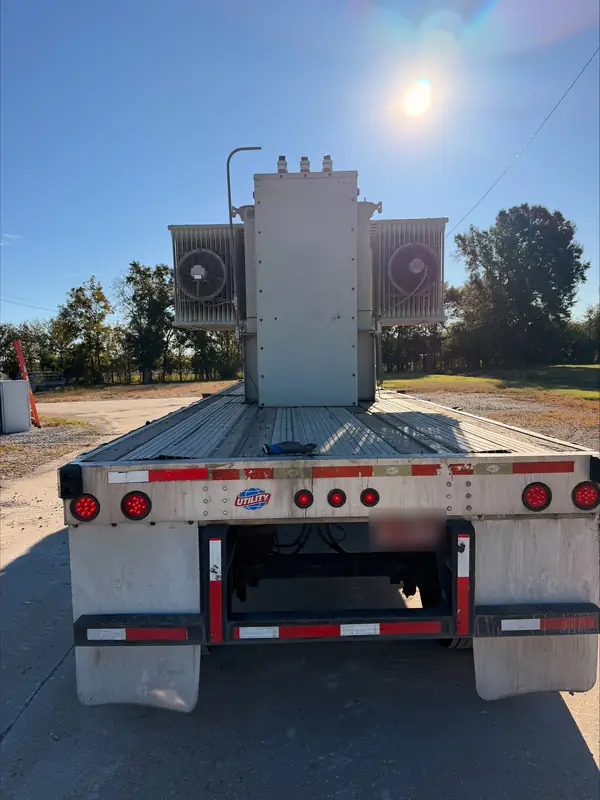
Larger substation or power transformers may be rated in MVA and have radiators, fans, tap changers, or other removable components. Include all rating stages and cooling information from the nameplate, along with available test records. For more information about larger units, see [substation and power transformers](substation and power transformer types) and the [pad-mount buyer guide](pad-mount transformer sales).
05Pickup Planning Along Long Beach Freight Routes
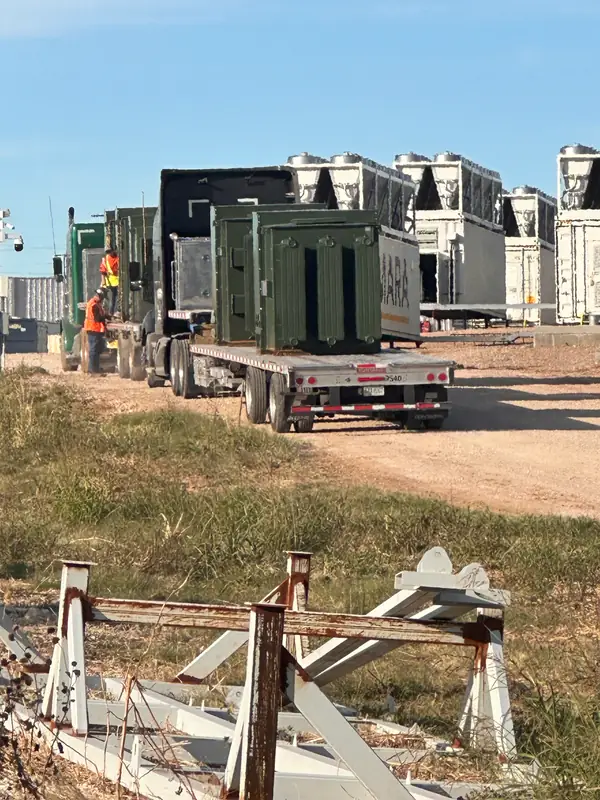
Pickup planning depends on the transformer’s dimensions, total weight, loading condition, and access to the equipment. Long Beach routes may involve I-405, I-710, I-605, or SR-91, but the suitable route and any permitting needs depend on the actual load and final pickup location. Port, warehouse, and industrial properties can also have gate procedures, operating-hour limits, loading areas, or coordination requirements.
Before pickup, the written offer states what is included and who handles loading, rigging, and freight. Do not disconnect, de-energize, open, drain, or move a transformer yourself. The owner’s qualified electrical contractor or serving utility handles electrical isolation and disconnection; the pickup plan should be coordinated with the site’s authorized personnel. Read about [transformer removal and pickup](transformer removal and pickup planning).
06Used, Surplus, and New-Surplus Units
A used transformer may be considered with its test history, visible condition, missing parts, and likely removal requirements. Surplus equipment can include an installed spare or a unit left from a project. For new-surplus equipment, provide the manufacturer, serial number, rating, storage condition, and photos of the crate or skids if available.
Condition and records affect what can be evaluated, but no single detail determines an offer. For oil-filled units, rely on existing test results and documentation for fluid and PCB status; questions about environmental handling should go to qualified environmental professionals. Reviewing a transformer costs nothing and creates no obligation. Learn about selling [surplus transformers](surplus transformer options) or [used transformers](used transformer reviews).
07How to Start a Sale in Long Beach
Call or text Rocky at (951) 403-5738, or submit the website contact form. Send photos, the quantity, Long Beach location, and known condition. Only photograph equipment you are authorized to access, and take pictures from a safe position.
After reviewing the information, Rocky may ask for test reports, fluid or PCB records, proof of ownership authority, or details about site access. If the transformer is a fit, you receive a written offer that spells out the price, included items, rigging and freight responsibilities, and payment terms. Pickup is scheduled under the written terms. Start through [contact and offer requests](get a transformer offer).
08Selling Beyond Long Beach
California Transformer Buyer works with sellers across California, not just Long Beach. If a portfolio includes equipment at other facilities, share the locations and quantities together so each unit can be reviewed in context. The [Los Angeles County transformer buyer page](transformer buying across Los Angeles County) covers the broader service area, and [Sell Your Transformer Near Me](California transformer buyer service area) explains how to start from another California location.
FAQSelling a Transformer in Long Beach: FAQ
Does California Transformer Buyer buy one transformer in Long Beach?
Yes, single units can be submitted for review, as can mixed lots and larger groups of equipment. Send the nameplate and overall photos, quantity, location, and condition so Rocky can assess what is available. A review is not a promise to purchase; any offer depends on the specific transformer, records, and pickup requirements.
Can I sell a transformer that is still connected?
You can ask for a review before removal, but only authorized, qualified personnel should handle electrical isolation and disconnection. The owner’s qualified electrical contractor or serving utility must address that work. Do not open compartments or attempt to disconnect, move, or otherwise prepare the transformer yourself. Include the site status and access constraints when requesting an offer.
What if I cannot read the transformer nameplate?
Send the clearest photo you can take safely, along with overall views and any available drawings, purchase records, or test reports. Do not open a compartment or approach energized equipment to get a better image. Rocky may ask for other identifying details, such as manufacturer, serial number, approximate rating, or the equipment’s role at the site.
Will you buy a leaking or failed transformer?
Submit its details for review, but purchase is not assured for any condition. Report visible leaks, damage, missing components, and known test results accurately. Do not drain fluid or attempt repairs for the sale. Environmental classification and handling depend on testing and documentation; consult qualified environmental professionals for those determinations.
Can a property owner sell a utility transformer?
Only the owner of the transformer, or someone with authority to sell it, can offer it for sale. A transformer located on private property may still belong to the serving utility or another party. Confirm ownership before proceeding and provide any available records showing who owns the equipment. Utility-owned equipment cannot be sold by the property owner.
How is pickup responsibility decided?
The written offer identifies what the transaction includes and who is responsible for loading or rigging and freight. The details depend on the transformer’s size, weight, access, and site requirements. Review those terms before pickup is scheduled, and coordinate site access and electrical work with the people authorized to manage the facility.