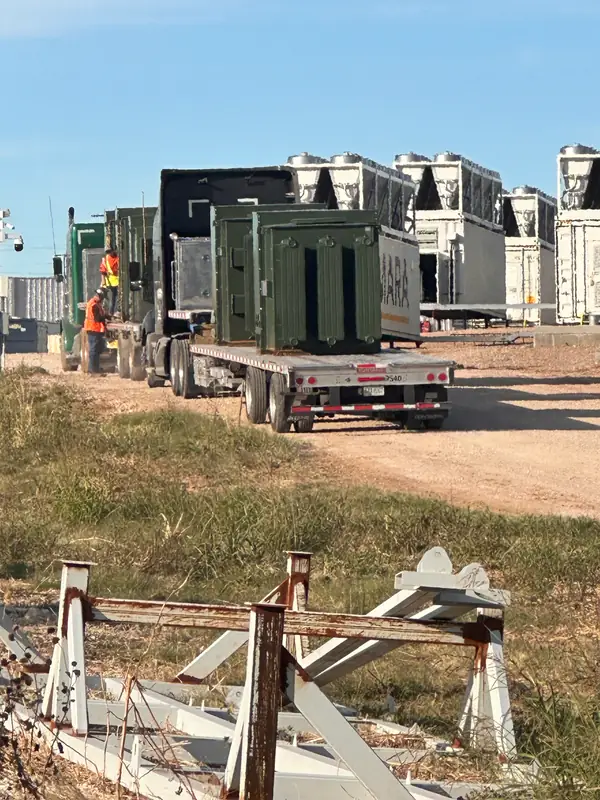
01Transformer buyer in Lancaster for industrial and energy equipment
Lancaster’s Antelope Valley setting brings together aerospace, manufacturing, distribution and clean-energy activity. Those operations can involve different transformer types, from a warehouse’s three-phase pad-mount to a manufacturing site’s dry-type transformer or close-coupled unit substation. Regional solar activity can also mean inverter step-up equipment is available, although solar projects are not necessarily located within city limits.
California Transformer Buyer reviews equipment owned by California sellers, including operating spares, removed units, project leftovers and new-surplus stock. For Lancaster sellers, the transformer’s actual nameplate and condition matter more than assumptions based on the facility type. Learn about the wider [Los Angeles County transformer buying area](Los Angeles County transformer buyer service area).
- Warehouse and distribution pad-mount transformers
- Manufacturing and campus unit substations
- Medium-voltage dry-type transformers
- Solar inverter step-up transformers
- Pole-mount, vault or network units where installed
02SCE service context: use the nameplate, not an assumed voltage
Southern California Edison (SCE) is Lancaster’s general distribution utility. Lancaster Energy is a community-choice generation supplier; it is not the city’s general distribution utility. Utility ownership and service responsibilities can vary by location, so a property owner should not assume that equipment on site belongs to them or is theirs to sell.
SCE’s documented distribution system includes 4 kV, 12 kV and 16 kV classes, with 25 kV and 33 kV also documented. These are system-level references, not a claim about a particular Lancaster service or transformer. Send clear photos of the actual high- and low-voltage nameplate fields; common secondary labels include 208Y/120 V and 480Y/277 V. For solar equipment, see [solar and inverter step-up transformer details](solar and inverter step-up transformers).
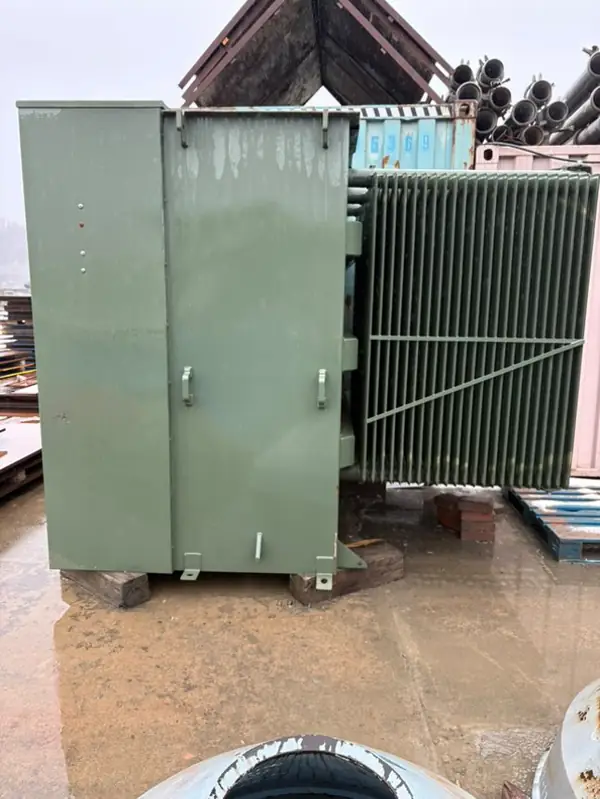
03Nameplate and condition details that help review Lancaster transformers
A buyer needs enough information to identify the unit and assess whether its specifications and condition fit a potential use. Photograph the full nameplate and the transformer from a safe position, and only photograph equipment you are authorized to access. Do not open compartments or approach energized equipment to get a picture.
A clear nameplate image often answers questions about voltage, capacity and configuration. If the plate is missing or unreadable, send the information you have and explain what is unknown rather than guessing.
- Manufacturer, serial number and year
- kVA or MVA rating and phase
- Primary and secondary voltage, taps and connection
- Impedance, BIL and cooling class, if shown
- Fluid type and gallons, or dry-type construction
- Condition, accessories, quantity and test reports
- PCB labels or available environmental records
New-surplus and removed equipment need different records
For new-surplus equipment, note whether it has ever been energized and whether it remains crated or on skids. For used or removed equipment, include available test reports and describe visible issues such as leaks, corrosion, damaged bushings or missing parts. Do not make a condition claim that you cannot verify.
04How Lancaster transformer pickup is evaluated
Pickup planning starts with the site, not just the transformer rating. SR-14 is a state route through the area, and SR-138 provides regional access; the appropriate approach depends on the specific property, equipment dimensions and transport plan. Share the site location and any known access limits so the parties can assess routing and logistics without assuming a particular route.
Tell Rocky about gate widths, overhead restrictions, pavement or loading-area limits, security procedures and whether the unit is indoors or outdoors. For large equipment, transport may involve heavy-haul planning and permits, and local roads may have separate requirements. Before pickup, the written offer states what is included and who handles loading, rigging and freight. Review the [transformer removal and pickup process](transformer removal and pickup planning).
Only the owner’s qualified electrical contractor or serving utility should handle isolation and disconnection. Never disconnect, drain, open or move a transformer yourself. Equipment with solar, battery or generator connections also requires qualified personnel to consider possible backfeed.
05Ownership, PCB records and environmental questions
You must own the transformer or have authority to sell it. Utility-owned equipment located on private property cannot be sold by the property owner. If ownership is unclear, resolve that question before arranging a sale.
Send available PCB labels, oil records, test results and prior environmental documentation. Do not infer PCB status from appearance or age alone. PCB classifications and California oil-management requirements depend on testing and documentation; unknown-status equipment may need to be treated as PCB-contaminated or a PCB Transformer until its status is established. This is general information, not legal advice. Rely on records, testing and qualified environmental professionals for determinations and handling decisions.
06Steps to request an offer from California Transformer Buyer
Call or text Rocky at (951) 403-5738, or use the [transformer sale request form](sell your transformer in California). You can also text photos from a safe position. Include your name, the Lancaster-area location, how many units are available and whether they are used, removed or new-surplus.
After reviewing the information, Rocky may ask follow-up questions about testing, fluid or PCB records, ownership and access. If the equipment fits, you receive a written offer with the price, included items, responsibility for rigging and freight, and payment terms. Reviewing a transformer costs nothing and creates no obligation. Request an offer through [California Transformer Buyer contact options](contact California Transformer Buyer for an offer).
07Compare local equipment needs across the Antelope Valley
A transformer’s rating, voltage, condition, documentation and removal requirements all affect whether it fits a potential buyer’s needs. That is why two units from similar facilities may receive different reviews. Share the full nameplate and available records rather than relying on a broad category such as “warehouse transformer” or “solar transformer.”
California Transformer Buyer serves sellers statewide. Nearby city pages include [Palmdale transformer buyer information](transformer buyer serving Palmdale, California) and [Santa Clarita transformer buyer information](transformer buyer serving Santa Clarita, California).
FAQSelling a Transformer in Lancaster: FAQ
Does California Transformer Buyer purchase one transformer in Lancaster, or only lots?
Single units can be reviewed, as can multiple transformers, mixed lots and full yards. Whether a particular unit fits depends on its specifications, condition, documentation and pickup requirements. Send the quantity along with nameplate and overall photos so Rocky can assess the actual equipment rather than relying on a general description.
Can I sell a transformer that is still installed at my Lancaster property?
You may request a review while a transformer remains installed, provided you own it or have authority to sell it. Do not disconnect, de-energize, open or move the unit yourself. Your qualified electrical contractor or the serving utility must handle electrical isolation and disconnection. Include the site conditions and access limitations so pickup responsibilities can be addressed in writing.
What if the transformer nameplate is missing or unreadable?
Send clear overall photos and any remaining plate fragments or records you have. Include the manufacturer, approximate age, capacity, voltage or other details only when you can verify them. Test reports, purchase records and drawings may help identify the equipment. Do not guess at ratings or voltage; Rocky may need to ask follow-up questions before deciding whether to make an offer.
Will SCE remove or buy a transformer on my property?
California Transformer Buyer is not affiliated with SCE and does not claim utility approval or endorsement. First establish who owns the equipment: a transformer owned by a utility cannot be sold by the property owner. If you believe a unit is utility-owned or are uncertain, contact the relevant utility or review your property and equipment records before offering it for sale.
Can I request an offer for a transformer with a leak or unknown PCB status?
You can provide the details for review, but a purchase is not guaranteed. Describe any known leak and share available fluid, PCB and environmental records; do not drain, sample or open the transformer. PCB status should be determined using appropriate testing, documentation and qualified environmental professionals. A leaking or failed unit may require a different handling and management pathway.
What should I send first to get a Lancaster transformer reviewed?
Start with the unit’s nameplate photo, an overall photo, quantity, Lancaster-area location and a short condition description. Add whether it is new-surplus or previously energized, any available test reports, and known access limitations. Text photos to (951) 403-5738 or submit the website form. Rocky may ask for ownership, PCB or pickup details during review.