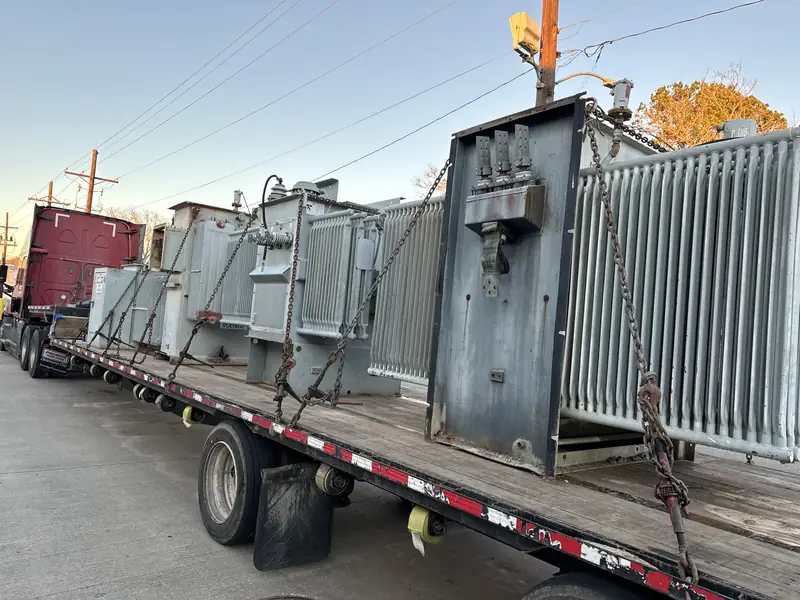
01Surplus Transformers From Distributors & Rental Fleets
Distributors accumulate transformers when orders are canceled, project specifications change or stocked configurations move slowly. Rental fleets face a different decision: whether another deployment justifies keeping an older unit, or whether retirement makes more sense. Both situations call for a unit-specific review rather than treating every transformer as interchangeable inventory.
California Transformer Buyer buys used, surplus and new-surplus equipment from authorized California sellers. Our surplus transformer buying service covers project leftovers, spare units and mixed lots as well as individual transformers. A stockroom unit and a heavily used rental transformer should be identified separately, even when their ratings match.
- Canceled orders and customer returns with documented history
- Slow-moving voltage or connection configurations
- Rental units retired after service or fleet changes
- Warehouse consolidations and excess spare equipment
02Separate Warehouse Stock From Previously Energized Rental Units
New-surplus means never energized; a crate, skid or clean enclosure alone does not establish that status. Customer returns need a clear history. If a transformer served a temporary job and returned to the rental yard, describe it as used even if it looks nearly new.
For distributor stock, retain factory reports, purchase records and storage information. For rentals, include available maintenance records, deployment history, repairs and the latest test reports. Our new-surplus transformer page explains that inventory category, while the used transformer buying page addresses previously energized equipment.
Disclose missing accessories, leaks, damaged bushings, corrosion or repairs. If condition is uncertain, say so rather than classifying the unit as ready for service. Rocky can identify which additional records are needed for review.
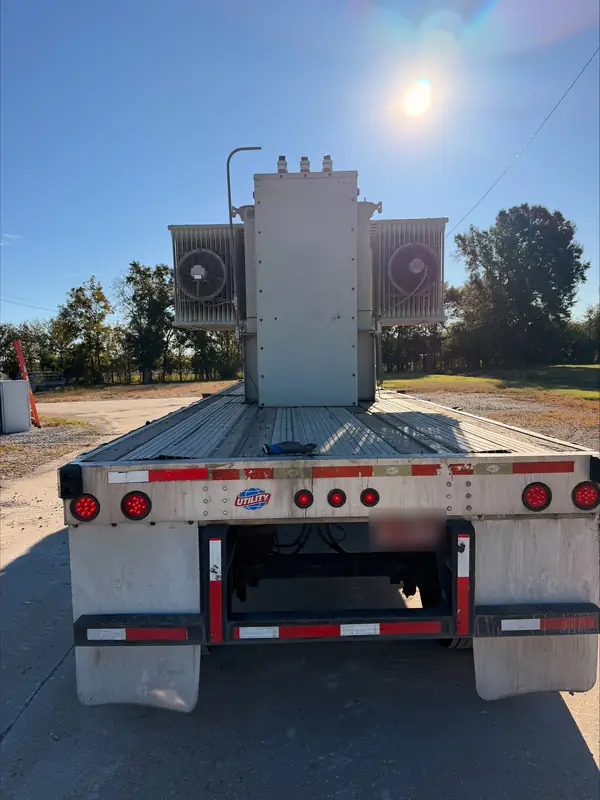
03Ratings and Configurations That Identify Your Inventory
Distributor and rental inventories can include low-voltage dry-type transformers, liquid-filled pad mounts, medium-voltage dry types and larger temporary-power equipment. The ratings below are useful inventory examples, not purchase limits or a promise that every configuration will receive an offer.
A 1000 kVA rating does not establish compatibility by itself. Primary voltage, secondary voltage, phase, connection and impedance all matter. For pad-mounted equipment, identify the actual configuration rather than listing only “12 kV class.” See our pad-mount transformer buying page for that equipment family.
| Transformer family | Example ratings | Details to identify |
|---|---|---|
| Low-voltage dry-type | 45, 75, 112.5, 225 kVA | Input/output voltage, enclosure, temperature rise |
| Three-phase pad mount | 500, 1000, 1500, 2500 kVA | HV/LV connection, fluid, switches and fuses |
| Medium-voltage dry-type | Record actual kVA | VPI/VPE or cast resin, BIL, cooling |
| Substation or station class | Record all kVA/MVA stages | Cooling ratings, taps, weight and accessories |
Record Actual Voltages, Not the Intended Territory
Common California secondaries include 208Y/120 V and 480Y/277 V three-phase. Primary configurations vary: 12 kV-class equipment is common, but 16 kV-class and nominal 21 kV equipment also occur. A former customer’s service territory is not a substitute for the nameplate voltage and connection diagram.
04Build a Lot List That Matches Each Unit to Its Records
For a mixed lot, use one line per transformer and match photos and documents to its serial number or inventory ID. Separate available equipment from units still committed to rentals, warranty review or customer orders. This reduces confusion about what is actually offered for sale.
Photograph visible nameplates and overall equipment only from a safe position where you are authorized to access it. Do not open compartments to gather information. If a field is unreadable or absent, mark it unknown and supply any existing manufacturer documentation.
- Inventory ID, manufacturer, serial number and year
- Quantity, kVA/MVA, phase and frequency
- HV/LV voltages, connections, taps and impedance
- Cooling class, temperature rise and BIL
- Fluid type, gallons and available PCB records
- Condition, included accessories, weight and location
05Match the Sale Schedule to Rental Returns and Warehouse Access
State when each unit becomes available, not just when you want the yard cleared. Rental return dates, inspection holds and warehouse release requirements can affect pickup. If equipment is spread across California locations, identify each address and quantity separately before discussing freight.
Provide existing weight records, loading access, dock availability and known lifting restrictions. Do not assume ordinary warehouse handling equipment is suitable for a heavy transformer. The removal and pickup guide explains the planning issues; written terms establish who handles loading, rigging and freight.
Equipment still connected at a customer site requires coordination with the owner’s qualified electrical contractor or serving utility. Only qualified personnel may isolate and disconnect it. Large station-class units may also require specialized transport and oversize or overweight permits.
06Keep Fluid and PCB Documentation With Liquid-Filled Units
For oil-filled inventory, preserve available fluid records, PCB documentation and test reports by serial number. A “non-PCB” label does not mean zero PCBs; the federal non-PCB classification is below 50 ppm. Unknown status can require assumptions until testing or qualifying documentation establishes concentration.
California has stricter rules for PCB-containing oil, and the correct management pathway depends on testing and documentation. A working transformer sold for reuse is equipment, but leaking units, drained oil and failed units need a proper determination. Rely on qualified environmental professionals; this is not legal advice.
Do not drain or sample equipment yourself to prepare it for sale. Report existing leaks and supply records already available. Older rental units should not be grouped with documented new-surplus stock solely because they share a rating.
07Request a Written Offer for One Unit or a Mixed Lot
Call or text Rocky at (951) 403-5738, or use the offer request form. Send nameplate photos, overall photos, quantities, California locations and condition details. Reviewing your transformer costs nothing, and there is no obligation.
Rocky reviews the information and may request test reports, ownership confirmation, fluid records or access details. The written offer states what is included, who handles loading and freight, and payment terms and timing. Pickup and payment follow those agreed terms.
For a warehouse clearance, our transformer liquidation page covers larger inventory sales. Identify excluded switchgear, trailers or accessories clearly so the offered lot and the pickup list match.
FAQDistributors & Rental Fleets FAQ
Can we offer inventory before the final rental return?
Yes. You can submit specifications and existing records while a unit is still rented, but disclose its current status and expected availability. Condition may need confirmation after return. Do not represent committed equipment as immediately available, and make sure your company owns it or has authority to sell it.
Does an old manufacturing date prevent a transformer sale?
Age is one factor, not the only one. Rating, voltage configuration, condition, documentation and removal requirements also affect review. DOE efficiency standards apply to manufacture; they do not make existing used or surplus transformers illegal to resell simply because newer standards exist. Suitability for a particular installation remains a separate engineering question.
Can a rental transformer be reviewed without recent test reports?
You can submit it for initial review with the records you have. Identify the last known operating condition and disclose any faults or repairs. Rocky may request additional information before making an offer. Missing test reports create uncertainty; they are not a reason to invent a condition assessment or describe the unit as tested.
Should we combine identical units into one inventory entry?
You may summarize matching units together, but retain a serial-number list and individual condition notes. Two transformers with the same catalog description can differ in taps, impedance, accessories or service history. Attach each test report to the correct serial number so a favorable result for one unit is not mistakenly applied to the entire group.
Can we sell equipment located outside California through our California office?
California Transformer Buyer buys from sellers with equipment located in California only. A California billing address does not make an out-of-state lot eligible. For inventory across multiple locations, identify the equipment physically in California and list its location, availability and ownership separately from stock elsewhere.