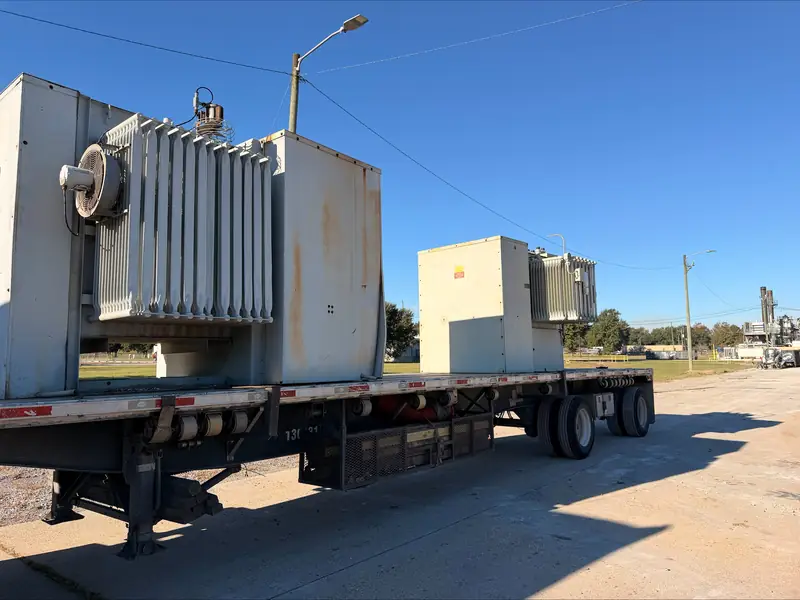
01Selling a Transformer in Torrance Starts With Its Nameplate
If you need a transformer buyer in Torrance, California Transformer Buyer reviews equipment owned by businesses, contractors and property owners throughout California. The city’s South Bay manufacturing and research activity means sellers may have anything from a small dry-type unit to a larger pad-mounted or substation transformer. The right next step is to identify the unit and confirm you have authority to sell it.
Call or text Rocky at (951) 403-5738, or use the [Torrance-area transformer buyer contact page](Contact / Get an Offer). Share the transformer’s location, quantity, condition and clear photos taken from a safe position of equipment you are authorized to access. You can also review how the process works through our [transformer sale steps](How It Works).
02Why Torrance Facilities Have Different Transformer Types
Aerospace and defense, advanced manufacturing, research and development, and biotechnology all depend on electrical distribution for buildings, production equipment, laboratories and support systems. A facility upgrade, equipment replacement, project change or closure can leave a usable transformer in place as a spare, pulled unit or project leftover. These are possible equipment types based on facility use—not a claim about any particular Torrance site.
Manufacturing properties may have outdoor pad-mount transformers serving building or process loads, indoor dry-type units, or close-coupled unit substations. Research and campus-style sites can also have multiple distribution points and spare units. See our information on [transformers used in manufacturing plants](Manufacturing & Industrial Plants) and [unit substation configurations](Unit Substation Transformers).
- Pad-mounted oil-filled distribution units
- Indoor dry-type transformers
- Unit substations connected to switchgear
- Spare or new-surplus project equipment
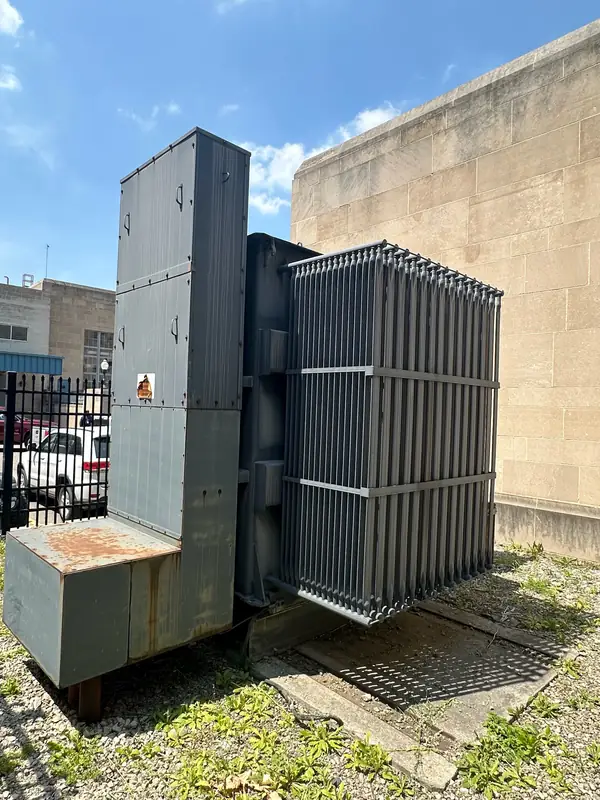
03SCE Service and Voltage Details to Check
Southern California Edison (SCE) serves Torrance. SCE distribution systems include 4 kV, 12 kV and 16 kV classes, with 25 kV and 33 kV also documented; that does not establish the voltage at a specific property. Use the transformer nameplate rather than assuming a voltage based on the city, utility or equipment appearance.
For a pad-mount or other distribution unit, photograph the primary and secondary voltages, phase, kVA rating, connection and tap information where visible. For a larger unit, include its MVA rating, cooling class, impedance and accessories. If the equipment may belong to SCE or another utility, confirm ownership and sale authority first; a property owner cannot sell utility-owned equipment.
| Equipment detail | Examples to capture |
|---|---|
| Rating and phase | kVA or MVA; single- or three-phase |
| Voltage | Primary, secondary and taps |
| Construction | Pad-mount, dry-type or substation |
| Identification | Manufacturer, serial and year |
| Condition records | Test reports and fluid or PCB documents |
04What Helps a Torrance Transformer Buyer Review a Unit
The buyer’s review depends on more than the manufacturer name. Rating, voltage, phase, condition, age, configuration, available test records and the cost and complexity of removal all affect whether a unit fits a potential use. Include photos of visible damage, missing parts, corrosion or leaks, but do not open the equipment or disturb it to take pictures.
For oil-filled transformers, share existing fluid and PCB records if available. For dry-type units, note insulation type and any test history you already have. Environmental status should be determined from appropriate testing and records, with guidance from qualified environmental professionals. PCB requirements can depend on concentration, equipment history and documentation; this is not legal advice.
- Nameplate and overall equipment photos
- Quantity and exact site location
- Known operating or storage condition
- Available test and environmental records
- Accessories, parts or missing components
05Planning Transformer Pickup Around Torrance Site Access
Torrance access planning should account for the actual facility entrance, internal roads, loading area, overhead clearance, turning room and the transformer’s size and weight. I-405 and SR-107 are relevant local routes; I-110 is a nearby regional access route, not a freeway through central Torrance. The suitable route and pickup method depend on the site and load, not just the nearest freeway.
Tell Rocky about gate rules, appointment requirements, restricted work hours, loading-dock limits, narrow drives or other access constraints before accepting an offer. For larger equipment, rigging, loading and freight responsibilities must be clear. The written offer states what is included and who handles those arrangements. More detail is available in our guide to [transformer removal and pickup planning](Transformer Removal & Pickup).
06How the Offer and Sale Process Works
After you send the basic information, Rocky may ask for follow-up details such as test reports, ownership documentation, fluid or PCB records, and site access conditions. If the equipment is a fit, you receive a written offer that specifies the price, what is included, who handles rigging and freight, and payment terms and timing. Review the terms before pickup; there is no obligation to proceed just because the equipment was reviewed.
Once the offer is accepted, removal is scheduled according to the written terms, and the unit is picked up and paid for as stated. A qualified electrical contractor or the serving utility handles isolation and disconnection. Sellers should not de-energize, disconnect, open, drain, sample or move equipment themselves. Start with the [guide to selling your transformer](Sell Your Transformer).
07Used, Surplus and New-Surplus Units Are Reviewed Differently
Used transformers have been energized; pulled or decommissioned units may need closer review of condition and test history. Surplus equipment can include spare units or equipment left from a project. New-surplus generally means a unit that has never been energized and remains crated or on skids, so photos and documentation can help establish its status.
California Transformer Buyer considers individual units as well as mixed lots, but purchase interest and offer terms depend on the specific equipment. If you are comparing equipment categories, see the overview of [surplus transformer sales](Surplus Transformer Buyer).
08Start a Transformer Review in Torrance
Send the nameplate, overall photos, number of units, location and condition by text to (951) 403-5738 or through the website form. Do not enter a restricted electrical area or approach energized equipment to get a better picture. Only photograph equipment you are authorized to access, from a safe position.
Torrance is part of the broader [Los Angeles County transformer market](Los Angeles County), but each property’s utility service, equipment ownership and access are specific to that site. A complete first message helps clarify what the transformer is and what additional information is needed.
FAQSelling a Transformer in Torrance: FAQ
Can I sell a transformer that is still installed at my Torrance property?
Possibly, if you own it or have authority to sell it and the equipment fits the buyer’s requirements. Do not arrange removal or disturb the transformer before responsibilities are agreed in writing. A qualified electrical contractor or the serving utility must handle isolation and disconnection. If ownership is unclear, check your purchase, maintenance or utility service records before presenting the unit for sale.
What if I cannot read the transformer nameplate?
Send the clearest available nameplate image along with overall photos, the quantity, location and known condition. Do not open a compartment or move equipment to reach the plate. If the plate is damaged or inaccessible, tell Rocky what you can identify from existing records, such as manufacturer, estimated rating, installation paperwork or test reports. The buyer may ask follow-up questions before deciding whether to make an offer.
Do you buy small dry-type transformers as well as pad-mount units?
California Transformer Buyer reviews different transformer families, including dry-type, pad-mounted, unit-substation and larger substation equipment. Suitability depends on the rating, voltage, phase, condition, documentation and pickup details. Include a photo of the complete unit and its nameplate so the equipment type and specifications can be assessed. A review does not guarantee a purchase or a particular offer.
Can a contractor sell equipment removed from a Torrance project?
A contractor can present equipment for review only if the contractor owns it or has the owner’s authority to sell it. Project leftovers, spare units and removed transformers may be considered, but confirm ownership before arranging a sale. Include the project’s equipment records and any available test or environmental documentation. Utility-owned transformers cannot be sold by a property owner or contractor without appropriate authority.
What information should I send about a group of transformers?
Provide the number of units, site location, general condition and separate photos of each nameplate and overall unit where practical. A simple list of ratings, voltages, phases and equipment types can help distinguish a mixed lot. Mention whether units are installed, stored, crated or on skids, and identify any access limitations. Rocky may request additional records or photos after reviewing the initial details.
Does an offer include transformer rigging and freight?
The written offer identifies what is included and states who is responsible for loading or rigging and freight. Those arrangements depend on the equipment and the site, including access and pickup complexity. Share restrictions such as gate access, limited turning space or loading-area conditions early in the review. Confirm the written terms before scheduling pickup so responsibilities are clear.