01Why Electrical Contractors End Up with Surplus Transformers
Electrical contractors surplus transformers often come from ordinary project changes rather than equipment failure. A revised load calculation, service design, utility requirement, or schedule can leave a contractor with a transformer that no longer fits the job. The unit may be unused and crated, or it may have been installed, energized, and later removed.
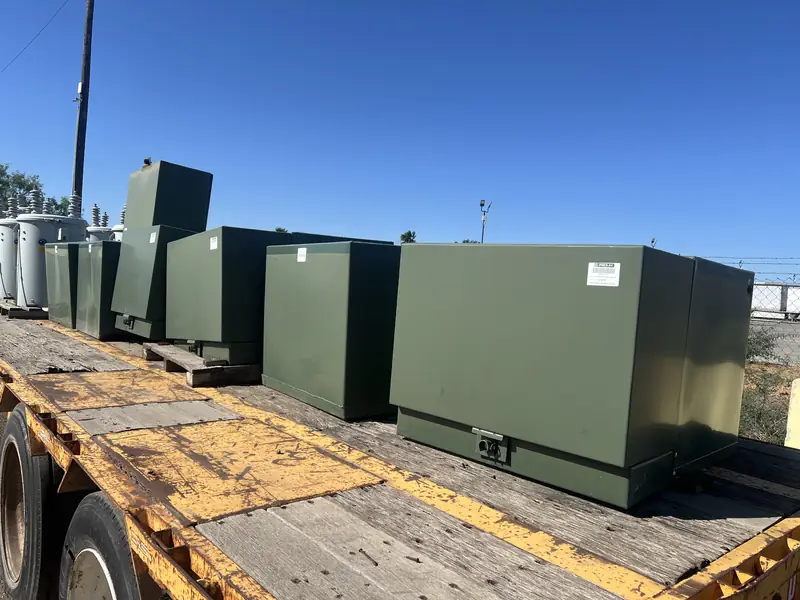
Other common sources include returned equipment, a canceled or delayed project, a specification substitution, and spare units accumulated in a storage yard. One transformer can be worth reviewing, as can a mixed lot of equipment. A surplus transformer buyer will need to distinguish new-surplus inventory from used equipment because condition and supporting records differ.
- Project leftovers after a design or scope change
- Returned equipment or a canceled order
- Pulled units replaced during an upgrade
- Spare or mixed inventory taking up yard space
02Transformer Types and Ratings Contractors Commonly Hold
Contractor inventory can range from small dry-type distribution units to large pad-mounted and substation transformers. Three-phase pad-mounts are common on commercial and industrial work; the standard rating scope extends up to 10 MVA. Single-phase pad-mounts are also encountered, with standard ratings up to 250 kVA. Review examples and configurations on the page for three-phase pad-mount transformers.
Other equipment may include pole-mount, submersible or vault, unit-substation, medium-voltage dry-type, solar step-up, and battery-storage transformers. Common three-phase ratings include 75, 150, 300, 500, 1,000, and 2,000 kVA, but actual nameplate ratings vary. See the broader list of transformer types and configurations if the unit does not fit a familiar category.
- Distribution: pad-mount, pole-mount, dry-type
- Commercial and industrial: unit substations, medium-voltage dry-type
- Generation and storage: solar, BESS, and station-class units
03Nameplate Details and Records That Help Review Inventory
A clear nameplate photo is the best starting point. Buyers use the rating, phase, primary and secondary voltages, connection, tap range, impedance, cooling class, and year of manufacture to identify what a transformer is and whether its specifications match potential demand. Include the manufacturer and serial number when visible; brand can help verify details, but rating and condition matter more.
For liquid-filled equipment, photograph any available fluid and PCB labels without opening the transformer. Useful supporting records may include factory test reports, oil test or dissolved gas analysis results, insulation resistance or turns-ratio tests, purchase records, and maintenance history. For dry-type units, share available test and inspection records. Do not try to access a compartment or create a test report; use records already on hand and have qualified personnel handle any required inspection.
- Nameplate and overall equipment photos
- Quantity, condition, and California location
- Test reports and available maintenance records
- PCB or fluid documentation, if available
04How to Sell Electrical Contractors’ Surplus Transformers in California
Start by sending the basic information for each unit. California Transformer Buyer reviews equipment located in California, including used, pulled, spare, new-surplus, and mixed-lot inventory. You can read the steps for selling your transformer or send details directly through the contact form.
Rocky reviews the information and may ask about test reports, fluid or PCB records, ownership, condition, and access to the site. If the equipment is a fit, you receive a written offer that states the price, what is included, who handles loading or rigging and freight, and payment terms and timing. The offer is not an obligation to proceed.
- Send nameplate and overall photos taken from a safe position
- List the quantity, location, and known condition
- Share available records and disclose missing or damaged parts
- Confirm that you own the equipment or have authority to sell it
05Plan Pickup Around Project Schedules and Site Access
Contractors may need to clear a laydown area before the next phase, close out a job, or make room in a yard. Share practical timing constraints early, along with equipment location, access hours, site rules, and any known restrictions on vehicle access. This helps establish a workable schedule without assuming a particular pickup date.
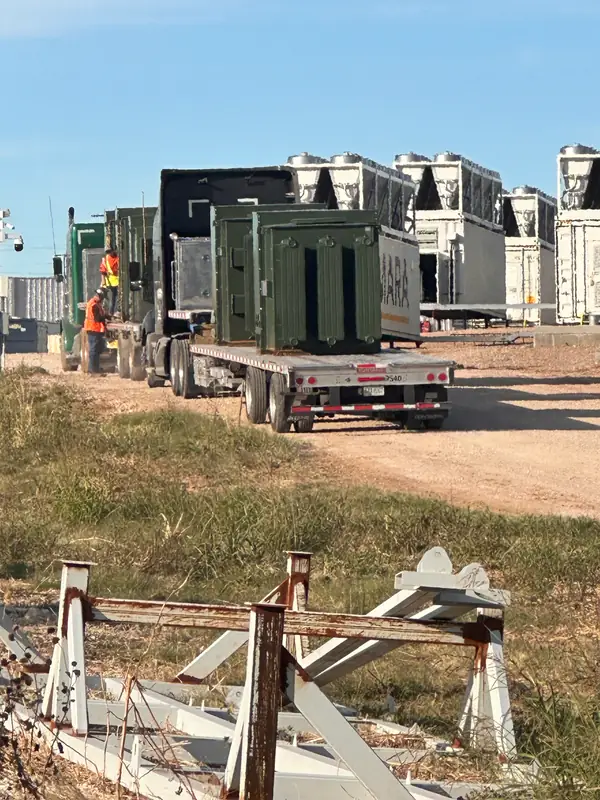
Transformers can be heavy and may require qualified rigging and freight planning. Before proceeding, the written terms identify who handles those responsibilities and what is included. Learn more about the coordination involved in transformer removal and pickup. Do not disconnect, open, drain, or move equipment yourself; qualified electrical personnel or the serving utility handle electrical isolation and disconnection.
06Ownership, PCB Records, and Equipment Condition
Make sure the contractor or customer authorizing the sale has legal authority over the transformer. Equipment that belongs to a utility cannot be sold by a property owner or contractor without the appropriate authority. If ownership is unclear, resolve that question before arranging a sale.
PCB status should be based on testing and documentation, not appearance or assumptions. Federal classifications distinguish non-PCB equipment below 50 ppm, PCB-contaminated equipment from 50 to below 500 ppm, and PCB Transformers at 500 ppm or more. California has stricter rules for PCB-containing oil, and the proper management pathway depends on the equipment, testing, and records. Rely on qualified environmental professionals; this information is not legal advice.
Be candid about leaks, rust, damaged bushings, missing accessories, or unknown test history. Leaking, drained, or failed equipment may need a different environmental and handling determination than an intact transformer being sold for reuse. Do not drain or sample it; ask qualified environmental professionals about testing and documentation.
07What Happens After You Send the Transformer Details
The review begins with the details you provide and follow-up questions if key information is missing. A written offer spells out the proposed price, included equipment or accessories, loading and freight responsibilities, and payment terms and timing before pickup. Reviewing a transformer costs nothing and does not obligate you to accept an offer.
For an overview of each stage, see how the transformer buying process works. To ask about a single unit or a yard inventory list, call or text Rocky at (951) 403-5738, or use the contact form to request an offer.
FAQElectrical Contractors FAQ
Can I submit a mixed lot with different transformer types?
Yes. California Transformer Buyer reviews mixed lots as well as single units and full yards. Send a list showing each unit’s type, rating, condition, and location, with separate nameplate photos when possible. If details are incomplete, provide what you know and note what is missing so Rocky can ask focused follow-up questions.
Can a contractor sell a transformer owned by the project customer?
Only if the contractor has authority from the owner to sell it. Confirm who owns the equipment and who can approve the transaction before sending it for review. A transformer owned by a utility cannot be sold by the property owner. If ownership is not clear from project records, resolve that issue with the relevant owner before moving forward.
What if a transformer has no test report or PCB paperwork?
Send the information and records you do have, and identify the missing documents rather than guessing at test results or PCB status. Rocky may ask follow-up questions about the equipment history and documentation. PCB status and environmental handling should be determined using suitable testing, records, and qualified environmental professionals, not an informal visual assessment.
Does new-surplus equipment need to have been energized?
No. New-surplus transformers are never-energized units, often still crated or on skids. Tell us whether the unit has been energized, its current storage condition, and whether packaging or accessories are present. That distinction helps describe the equipment accurately alongside its nameplate information and any factory test records.
Should we disconnect the transformer before requesting an offer?
No. Do not disconnect, de-energize, open, drain, or move a transformer to prepare it for review. You can send photos from a safe position if you are authorized to access the equipment. The owner’s qualified electrical contractor or serving utility handles required electrical isolation and disconnection; pickup and rigging responsibilities are addressed in the written terms.
What if our project needs the storage area cleared by a certain date?
Include the needed clearance date, location, access hours, and any known site or loading restrictions when you submit the equipment details. That information helps assess scheduling and logistics, but a specific response time or pickup date is not guaranteed. Confirm the agreed removal schedule and each party’s responsibilities in writing before pickup.