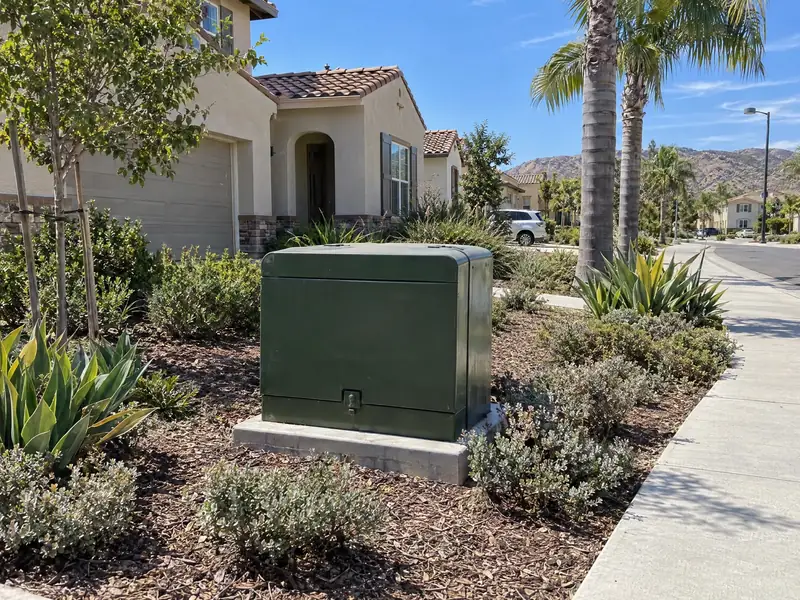
01A Transformer Buyer in Temecula for Facility Changes
Manufacturing, biomedical and high-technology facilities, and office properties can have transformers left over after equipment upgrades, tenant changes or canceled projects. California Transformer Buyer reviews used transformers in Temecula as well as unused spares and project leftovers. Previously energized equipment and never-energized stock should be identified separately.
Ridge View Business Park is a documented industrial and office district, making facility power equipment a relevant local focus. Nearby wine-country agriculture and hospitality add other possible sources of equipment, without assuming those properties are within Temecula city limits. Temecula is part of our Inland Empire transformer buying coverage.
02Transformer Types That Fit Temecula Facilities
The equipment worth reviewing depends on the facility's electrical system, not simply its industry. Manufacturing sites may have three-phase distribution units or unit substations, while offices may have indoor dry-type transformers supplying lighting and receptacle loads. These are potential equipment types, not claims about specific local installations.
Our pad-mounted transformer buying page covers enclosed outdoor distribution units. For larger assemblies, the substation transformer review explains the information needed for station-class and unit-substation equipment.
| Facility or situation | Potential transformer type | Useful identifying detail |
|---|---|---|
| Manufacturing power upgrade | Three-phase padmount or unit substation | kVA, voltages and switchgear interface |
| Office renovation | Low-voltage dry-type | Primary/secondary voltage and enclosure |
| Biomedical or technology facility | Distribution or specialty isolation unit | Connection, impedance and test records |
| Canceled installation | New-surplus equipment | Factory records and storage condition |
03SCE Service Context Does Not Establish Ownership
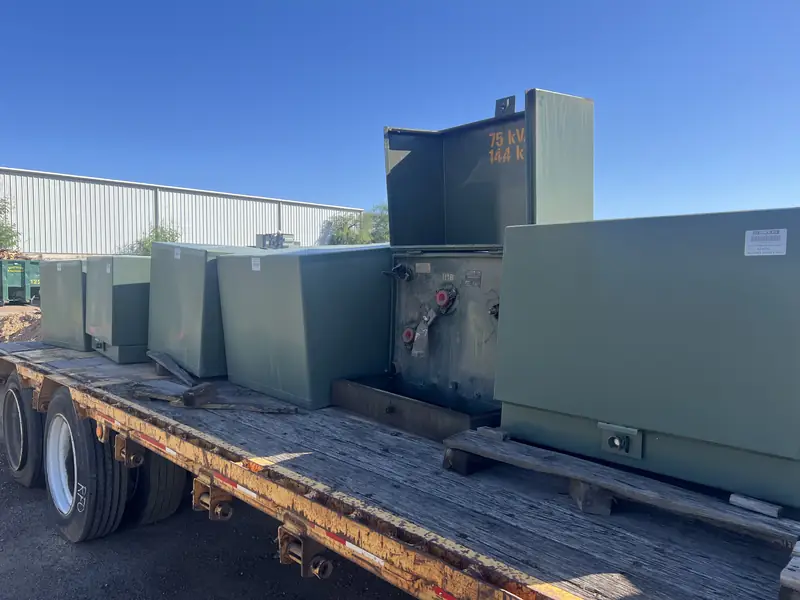
Southern California Edison serves Temecula. SCE has documented 4 kV, 12 kV and 16 kV distribution systems, among other voltage classes, but that does not establish the voltage at a particular property. Always use the transformer's actual nameplate rather than estimating from its location or enclosure.
Common three-phase secondaries include 480Y/277 V and 208Y/120 V. A 480 V primary on a dry-type unit is different from a medium-voltage primary on an outdoor distribution transformer; both voltage sides matter when reviewing suitability for reuse.
A transformer on your property may belong to SCE rather than the building owner. Confirm ownership through purchase records, asset records or the serving utility before offering it for sale. California Transformer Buyer is not affiliated with SCE and cannot buy utility-owned equipment from an unauthorized seller.
04Nameplate Photos and Records for a Useful Review
Send a readable nameplate photo and overall equipment photos taken from a safe position you are authorized to access. Include the quantity, Temecula location, operating history and any known defects. Do not open compartments to obtain missing information.
A 1000 kVA rating alone is not enough to identify a match. Phase, primary and secondary voltages, connection, impedance and cooling details help distinguish otherwise similar units. For unused stock, new-surplus transformer documentation helps establish specifications and storage history.
- Manufacturer, serial number and year of manufacture.
- All kVA or MVA ratings, phase and frequency.
- HV/LV voltages, delta/wye connection and taps.
- Impedance, BIL, cooling class and temperature rise.
- Fluid type, volume, total weight and PCB label.
- Available factory tests, maintenance records and condition notes.
05Planning Pickup Around I-15, SR-79 and Site Access
I-15 and SR-79 are relevant routes for Temecula pickup planning, but the final approach to the equipment can determine loading requirements. Report gate dimensions, loading-area access, overhead obstructions, pavement conditions and whether the unit is indoors, on a pad or already staged.
Weight and dimensions help determine rigging, vehicle selection and possible permit requirements. Oversize or overweight loads may require Caltrans permits on state highways, and local roads may require separate approvals. Highway proximity does not guarantee an uncomplicated pickup.
The written offer identifies who handles loading, rigging and freight before removal is scheduled. See transformer removal and pickup planning for the access details to gather. Electrical isolation and disconnection belong to the owner's qualified electrical contractor or serving utility, with any solar, battery or generator backfeed considered.
06Oil-Filled Units, PCB Records and Condition
For liquid-filled equipment, provide existing fluid and PCB records along with notes about leaks, rust, damaged bushings or missing accessories. A “non-PCB” label does not mean zero PCBs. Unknown status requires appropriate documentation or testing arranged through qualified professionals, not assumptions based on appearance.
California has stricter rules for PCB-containing oil; oil containing 5 ppm or more PCBs is excluded from the state's used-oil category. The correct management pathway depends on testing, documentation and the equipment's condition. A working transformer sold for reuse differs from drained oil or a failed, leaking unit; rely on qualified environmental professionals for determinations. This is not legal advice.
07Start a Temecula Transformer Sale With Rocky
Call or text Rocky at (951) 403-5738, or request a transformer offer through the contact form. Send the available photos and records, then identify who owns the equipment and who can authorize its sale. Reviewing your transformer costs nothing and there is no obligation.
Rocky may request additional test reports, fluid records or access details before issuing an offer. If an offer is made, review what is included, the loading and freight responsibilities, and payment timing before accepting. Pickup and payment follow the agreed written terms.
For equipment at multiple properties, identify each site's location separately. Nearby sellers can also use our Murrieta transformer selling page rather than describing a Murrieta unit as located in Temecula.
FAQSelling a Transformer in Temecula: FAQ
Can I sell one transformer rather than a full lot?
Yes. California Transformer Buyer reviews single transformers as well as mixed lots and full yards from California sellers. One unit still needs identifiable specifications, a clear ownership history and enough condition information for review. A single-item inquiry does not guarantee purchase; send its nameplate and overall photos to Rocky.
Does a transformer need to be removed before I request an offer?
No. You can start the review while equipment remains installed, provided you have authority to sell it and can supply information safely. Explain whether it is still energized and when it may become available. Do not disconnect or move it yourself; qualified personnel handle electrical work, and removal responsibilities are established in writing.
What if my spare transformer has never been energized?
Describe it as never energized and provide supporting purchase or factory records if available. Storage still matters: note whether it has remained crated, sheltered or exposed, and disclose visible damage or missing parts. New-surplus status helps describe the unit, but compatibility, condition and documentation still determine whether an offer is possible.
Are older transformers illegal to resell because of efficiency standards?
Existing used and surplus transformers are not made illegal to resell by newer DOE manufacturing efficiency standards. Those standards apply to manufacture. Age can still affect condition, documentation and suitability for another installation, so provide the manufacturing year and available test records rather than assuming an older unit is either unusable or automatically acceptable.
Can Rocky review equipment from a leased commercial building?
Yes, but establish who owns the transformer and who has authority to sell it. A tenant, landlord and utility may have different responsibilities for equipment at the same property. Confirm ownership and any required authorization before accepting terms. Include the property contact responsible for access so pickup planning reflects the site's actual restrictions.