01Why Manufacturing and Industrial Plants Have Surplus Transformers
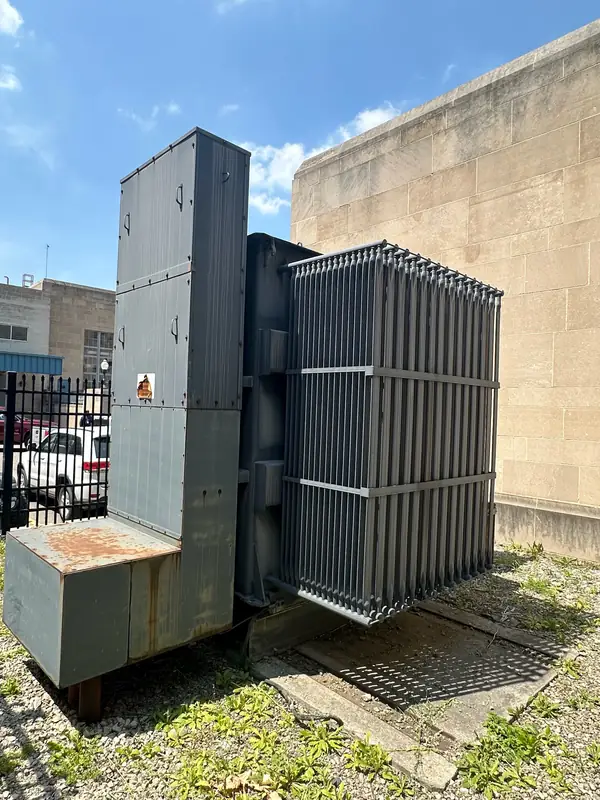
Manufacturing and industrial plants surplus transformers can become available when a facility closes, changes its process, consolidates production, or replaces a unit substation. A line conversion may leave a transformer with a rating or secondary voltage the revised equipment no longer needs. A replacement project can also create a spare or leave a serviceable unit removed from its original position.
These units may be used, pulled, decommissioned, project leftovers, or new-surplus equipment that was never energized. California Transformer Buyer reviews single units and mixed lots from California sellers. If you are evaluating options beyond a plant sale, see the broader [surplus transformer buyer]( surplus transformer buyer ) process.
- Plant closure or reduced production
- Process equipment or voltage changes
- Unit substation replacement
- Spare inventory or project leftovers
02Transformer Types and Ratings Found at Industrial Sites
Plant electrical systems may include close-coupled unit substations, medium-voltage dry-type transformers, pad-mounted distribution units, and larger station-class or substation transformers. Some facilities also have specialty equipment such as drive-isolation, rectifier, furnace, or grounding transformers. The equipment type, rating, voltage, and condition all matter; a buyer cannot determine suitability from appearance alone.
Three-phase nameplates may show ratings such as 150, 300, 500, 750, or 1,000 kVA, while larger plant substations may be rated in MVA. Common low-voltage secondaries include 480Y/277 V, 208Y/120 V, and 240 V delta; primary voltage varies by installation. Always rely on the actual nameplate, not a voltage assumed from the facility or utility.
- Unit substation transformers
- Medium-voltage dry types
- Pad-mount and substation units
- Specialty process transformers
Close-coupled unit substations
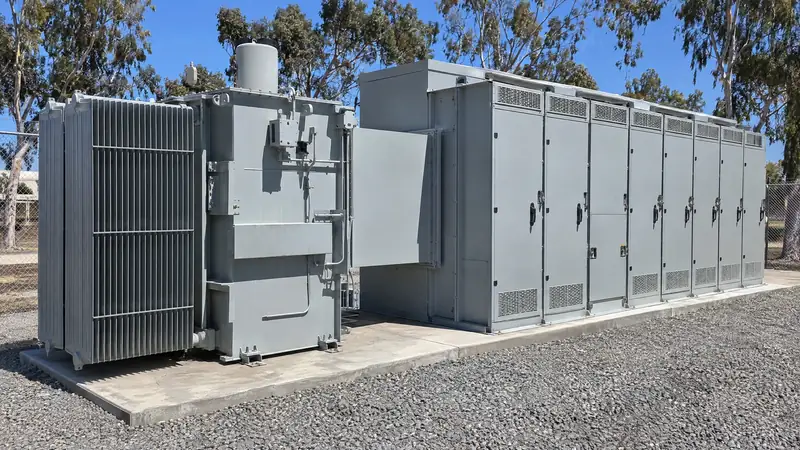
A unit substation combines a transformer with associated primary and secondary switchgear in a close-coupled arrangement. Include photos that show the overall assembly and its nameplates; details about the transformer alone may not describe what is included. Learn more about [unit substation transformers]( unit substation transformers ).
03Nameplate and Plant Records That Help Identify a Unit
A clear nameplate photo is the best starting point. Capture the manufacturer, serial number, year, kVA or MVA rating, phase, frequency, primary and secondary voltages, connection, tap positions, impedance, BIL, cooling class, and temperature rise where shown. For liquid-filled units, include fluid type and gallons; note total weight and winding material if listed.
Plant records can fill gaps that are difficult to read from a plate. Useful documents include factory test reports, oil test or DGA results, insulation-resistance and turns-ratio tests, drawings, and maintenance records. For an existing [used transformer buyer in California]( used transformer buyer in California ) review, describe known damage, leaks, missing parts, and whether accessories such as fans, gauges, or a load tap changer are present.
- Nameplate and overall equipment photos
- Test reports and maintenance records
- Fluid and PCB documentation, if available
- Accessory and missing-parts details
04Condition, Ownership, and Environmental Records
Be straightforward about the unit’s history and condition. Note whether it was energized, when it was removed if known, and whether there is visible rust, leakage, bushing damage, or missing equipment. Do not open compartments or handle the transformer to obtain information; photos should be taken only from a safe position and where you are authorized to access the equipment.
Share PCB labels, oil test results, and environmental records if you have them. “Non-PCB” does not mean zero PCBs, and unknown status may require further determination. California requirements for PCB-containing oil and used oil depend on testing, documentation, and the applicable management pathway. Sellers should rely on records, testing, and qualified environmental professionals; this information is not legal advice.
- Confirm that you own the unit or can sell it
- Identify known leaks or damage
- Provide available PCB and fluid records
- Ask a qualified professional about environmental determinations
05Plan Plant Pickup Around Access and Production
Industrial sites often have operating equipment, controlled access, limited laydown space, and production schedules to consider. Tell us where the transformer is located, whether it is indoors or outdoors, what access restrictions apply, and whether the unit remains connected to plant equipment. That information helps identify questions about loading, rigging, and freight before a pickup is scheduled.
Large transformers may require specialized transport planning, and oversized or overweight loads can involve permits and route approvals. Site removal and electrical work must be handled by qualified personnel. Your qualified electrical contractor or serving utility is responsible for isolation and disconnection; do not attempt to disconnect, move, drain, or prepare a transformer yourself.
- Share gate, escort, and access requirements
- Describe indoor, outdoor, or restricted locations
- Flag production windows and site rules
- Provide available dimensions and weight
06How California Transformer Buyer Reviews a Plant Transformer
Start by calling or texting Rocky at (951) 403-5738, or use the [sell your transformer]( sell your transformer ) contact process. Send the nameplate and overall photos, quantity, California location, and known condition. You can also submit details through the website form.
Rocky reviews the information and may ask for test reports, fluid or PCB records, proof of ownership or authority to sell, and site-access details. Reviewing your transformer costs nothing and creates no obligation. If the equipment is a fit, you receive a written offer describing the price, what is included, who handles loading or rigging and freight, and payment terms and timing.
- Send photos and basic equipment details
- Answer follow-up questions about records and access
- Review the written offer and responsibilities
- Schedule removal under the agreed terms
07New-Surplus, Removed, and Mixed Plant Lots
New-surplus equipment has never been energized and is typically crated or on skids; photographs of packaging, labels, and any visible shipping condition help document it. Used or removed equipment should be described accurately, including whether test records are available. If a closure or upgrade leaves several different units, send a list and photos for each rather than treating the group as one identical lot.
A plant may also have new-surplus units left from a project that changed scope. See the details for [new-surplus transformers]( new-surplus transformers ) when preparing that equipment for review. The type, condition, records, configuration, quantity, and access all affect whether a particular unit can be considered.
08Get an Offer for Surplus Plant Transformers
To request a review, gather the transformer nameplate details, overall photos, quantity, location, condition, and any available tests or environmental records. Include site constraints and your preferred project or pickup window. For a direct inquiry, use the [contact page]( contact California Transformer Buyer ) or call or text (951) 403-5738.
California Transformer Buyer serves sellers throughout California, including facilities managing one spare unit or equipment from a broader plant liquidation. Terms are provided in writing before pickup, including who is responsible for loading, rigging, and freight. Selling should proceed only when the person authorizing the sale has ownership or proper authority for the equipment.
FAQManufacturing & Industrial Plants FAQ
Can I sell a transformer that is still connected to plant equipment?
You can ask for a review while the transformer remains installed, but do not disconnect or prepare it yourself. Your qualified electrical contractor or the serving utility must handle electrical isolation and disconnection. Send photos taken from a safe position, plus the nameplate, location, and access details. A written offer will state the agreed responsibilities before any pickup is scheduled.
What if the transformer nameplate is damaged or unreadable?
Send clear photos of the plate and equipment from more than one safe angle, along with any drawings, purchase records, test reports, or maintenance documents you can locate. Include visible manufacturer or serial information if any remains. Do not open a compartment or move the unit to find markings. The available records may help identify the rating and configuration, but missing information can limit a review.
Will you consider a transformer without recent test reports?
A unit can still be submitted for review if recent testing is unavailable. Be clear about what has and has not been tested, and send older factory reports or maintenance records if you have them. Test documentation can help establish condition and specifications, but the unit is reviewed with all available information. Do not arrange testing or handling yourself; use qualified professionals.
Can a property owner sell a utility-owned transformer on site?
Not unless the property owner has authority to sell that equipment. A transformer located on private property may still belong to a utility or another party. Check ownership records and resolve authority before arranging a sale. California Transformer Buyer may ask for ownership information during review, and no equipment should be represented as yours to sell without proper authority.
Do you buy leaking or damaged industrial transformers?
Send the details and disclose any known leak, impact damage, missing parts, or other issue. Whether a particular unit can be considered depends on its condition, documentation, configuration, and removal requirements; no purchase is guaranteed. Do not drain, sample, repair, or move the transformer yourself. For environmental questions, rely on testing, records, and qualified environmental professionals.
What information should I send for several transformers from a plant closure?
Provide a separate nameplate and overall photo set for each unit, then list the quantity, location, condition, and any known test or fluid records. Identify which units are new-surplus and which have been energized or removed. A simple inventory helps distinguish different ratings and configurations. Include site access restrictions and any production or closure schedule relevant to removal planning.