01Sell a Central Moloney Transformer: Units We Review
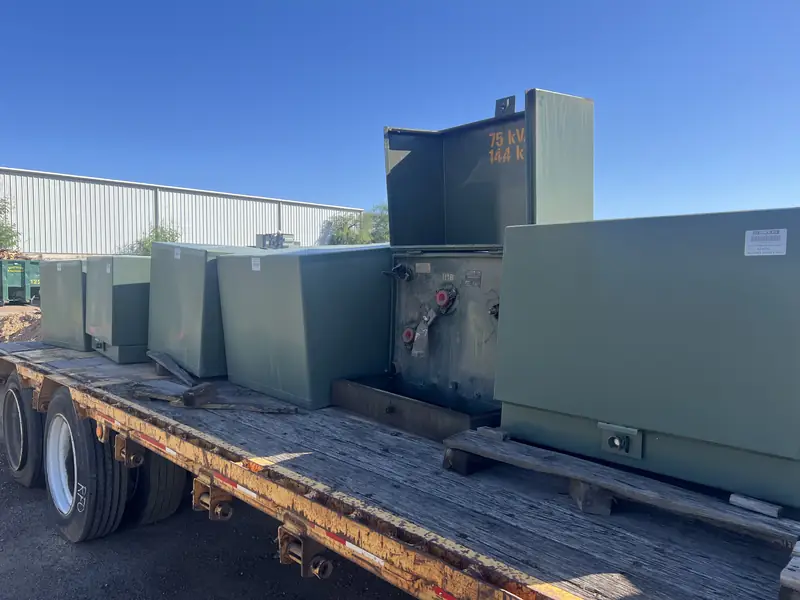
California Transformer Buyer considers used, pulled, surplus, new-surplus, decommissioned and spare Central Moloney equipment from sellers located in California. We can review a single transformer, multiple units or a mixed lot. A new-surplus unit is equipment that has not been energized and may still be crated or on skids.
Central Moloney is associated with overhead and pad-mounted distribution transformers and distribution components. We also review legacy Moloney-labeled distribution and power equipment. For a pad-mount unit, include whether it is single-phase or three-phase and share its primary and secondary voltage when those details are readable. See our [pad-mount transformer buying information](pad-mount transformer buyer) for details specific to that configuration.
- Used or removed units
- New-surplus and project leftovers
- Spare transformers and mixed lots
- Overhead and pad-mounted equipment
02Central Moloney, CMI and Moloney Electric Names
Central Moloney / CMI is a U.S. distribution-transformer and component producer. Its history includes Central Transformer and the 1965 acquisition of Moloney Electric. Moloney Electric is a legacy St. Louis transformer name connected to that lineage, so an older Moloney nameplate may be relevant when identifying equipment for review.
CMI acquired Cam Tran in 2024, and the Central Moloney and Cam Tran brands continue separately. Names and marks can vary across equipment made at different times, so the brand alone may not tell you the unit’s exact specifications or current condition. This overview of [transformer brands we review](transformer brands) explains how manufacturer identity fits into a buyer’s assessment.
03What to Read on a Central Moloney Transformer Nameplate
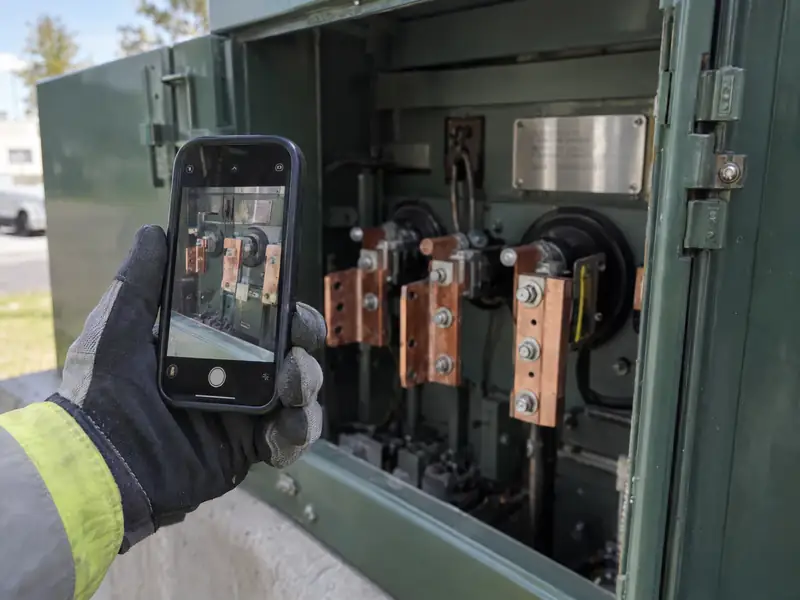
Nameplate layouts vary by unit and age. From a safe position, photograph the complete plate so its manufacturer name, serial number, catalog or style number, and year of manufacture are legible. Do not remove covers or enter an electrical compartment to find a plate; have your qualified electrical contractor handle any access that requires it.
Also capture the kVA rating, phase, frequency, high- and low-voltage ratings, connection, tap information, impedance, BIL, cooling class and temperature rise when shown. For liquid-filled equipment, note fluid type and gallons; include winding material, weight and any PCB wording if listed. Our [transformer nameplate reading guide](guide to reading a transformer nameplate) explains common fields.
- Manufacturer and serial number
- Year and catalog or style number
- kVA, phase and voltage
- Taps, connection and impedance
- Cooling, fluid and PCB wording
04Where Serial, Catalog and Year Information May Appear
The exact plate location and field order can differ between Central Moloney units. Look for a metal or printed nameplate attached to the transformer enclosure, but do not assume every unit uses the same placement. If the plate is obscured or cannot be reached safely, send clear photos of the equipment from accessible positions and tell us which information you cannot read.
The serial number identifies the individual unit; a catalog or style number may help distinguish its design or configuration. A manufacturing year may appear as a labeled date or be represented in a code. Do not guess the year from a serial number or code. Send a photo of the full plate so we can review the visible markings and ask for clarification if needed.
05How Rating, Age and Condition Affect Buyer Interest
The Central Moloney name helps identify the equipment, but brand is only one part of an assessment. Buyers also consider kVA or MVA rating, phase, voltage, taps, connection, cooling, fluid, winding material, age and how well the unit’s specifications match current demand. A readable nameplate and complete records make that assessment more useful.
Condition matters too. Report visible leaks, corrosion, damaged bushings, missing parts or other known issues, and share available test reports. For liquid-filled equipment, provide fluid and PCB documentation if you have it; rely on testing, records and qualified environmental professionals to establish status. A brand label or a “non-PCB” marking should not replace supporting documentation. See what influences [used transformer value](used transformer value).
- Nameplate rating and voltage
- Age and physical condition
- Available test and fluid records
- Accessories and completeness
- Quantity and location
06What to Send for a Central Moloney Transformer Review
Send the full nameplate photo, overall exterior photos, the number of units, the California site location and a brief description of condition. Tell us whether each transformer is used, removed, spare or new-surplus. If available, include test reports, ownership information, fluid or PCB records, and notes about accessories or missing parts.
Photos should be taken only from a safe position and of equipment you are authorized to access. Do not move the transformer or open, disconnect, drain or sample it to prepare a request. Learn how to [send transformer details for an offer](sell your transformer) or contact Rocky at (951) 403-5738 by call or text.
- Nameplate and overall photos
- Quantity, location and condition
- Test reports and relevant records
- Site access or known removal constraints
07Independent California Buyer and Pickup Terms
California Transformer Buyer is an independent buyer and is not affiliated with Central Moloney, CMI, Cam Tran or any utility. We buy from California sellers only. The seller must own the transformer or have authority to sell it; utility-owned equipment on private property cannot be sold by the property owner.
After reviewing the information, Rocky may ask follow-up questions about testing, records, ownership or site access. If we make an offer, it is provided in writing with the price, what is included, who handles loading or rigging and freight, and payment terms. The written terms are agreed before pickup. For removal responsibilities, see [transformer pickup and removal details](transformer removal and pickup).
FAQCentral Moloney FAQ
Do you buy older Moloney Electric transformers?
We review legacy Moloney Electric-labeled equipment as well as Central Moloney and CMI nameplates. Age by itself does not determine whether a unit is a fit. Send the full nameplate photo, exterior photos, location, quantity and known condition so we can assess its rating, specifications and available records.
Can I sell a Central Moloney transformer without its nameplate?
You can still send the unit for review, but missing or unreadable identification can make its specifications harder to confirm. Provide clear exterior photos, any paperwork or test reports, and the details you do know, such as approximate rating, voltage, quantity and condition. Do not open equipment or remove parts to search for a plate.
Does a Central Moloney nameplate guarantee a buyer will make an offer?
No. A manufacturer name helps identify a transformer, but it does not guarantee buyer interest or a purchase. Rating, voltage, condition, age, records, completeness, quantity, location and removal requirements all matter. California Transformer Buyer reviews the information you provide and may ask follow-up questions before deciding whether to submit a written offer.
What if the catalog or style number is hard to read?
Send a well-lit photo of the entire nameplate and a closer photo of the unclear area, if you can take both from a safe position. Include the serial number and any readable rating or voltage fields in your message. Do not guess at characters; we can ask for another photo or supporting documentation if an identification detail remains uncertain.
Can I sell a transformer that is still installed?
You may request a review while the unit remains installed, but only qualified personnel should isolate, test, disconnect or otherwise prepare electrical equipment for removal. The serving utility or your qualified electrical contractor handles that work as applicable. Include site access details and known constraints so loading, rigging and freight responsibilities can be addressed in writing.
Do you buy a Central Moloney pad-mounted transformer that has visible damage?
Send photos and describe any known damage, such as a leak, rust, damaged bushing or missing accessory. Do not open, drain or move the transformer to document it. The review depends on the unit’s specifications, condition, records and practical removal details; visible damage does not by itself establish whether the equipment can be purchased.