01Sell a McGraw-Edison Transformer in California
If you own a McGraw-Edison transformer in California, California Transformer Buyer can review it for possible purchase. We consider used units, removed equipment, surplus and new-surplus inventory, including single transformers and mixed lots. A review does not guarantee an offer; the unit’s specifications, condition and sale authority all matter.
Call or text Rocky at (951) 403-5738, or submit the details through the website. Include nameplate and overall equipment photos, quantity, location and a brief condition description. You can also read how to [sell a transformer with the information buyers need]( sell your transformer ).
02McGraw-Edison Transformer Types We Review
McGraw-Edison nameplates appear on legacy utility distribution and power equipment that remains in service or has entered surplus. The manufacturer records identify distribution, substation and power transformers among its common product lines. We assess each unit from its actual nameplate and condition rather than assuming all equipment carrying the brand is interchangeable.
That can include a [McGraw-Edison pad mount transformer]( pad-mount transformer buyer information ), pole-mounted or other distribution equipment, and larger station-class units. For substation equipment, share the available ratings, accessories and configuration; see our information for [substation transformer sellers]( substation transformer buyer ).
- Used or removed transformers
- Surplus and spare units
- New-surplus equipment, never energized
- Project leftovers and mixed lots
03McGraw-Edison Brand History and Equipment Lineage
McGraw-Edison is a legacy name found on utility electrical equipment. McGraw-Edison joined Cooper in 1985. For inherited distribution lines, the historical successor path continues through Cooper to Eaton, but that does not mean every McGraw-Edison transformer should be identified as a current Eaton product.
Large power-transformer factory lineage can differ. For technical support or identification, retain the full factory and nameplate identity and use available plant or serial documentation rather than making a blanket substitution based on the brand name. Line Material is another legacy name in the McGraw-Edison/Cooper distribution lineage; preserve its full equipment identity as well.
California Transformer Buyer is an independent buyer and is not affiliated with McGraw-Edison, Cooper, Eaton or any utility. Brand history can help with identification, but the actual transformer records are what a buyer needs to assess the equipment.
04Where to Find the McGraw-Edison Nameplate and Serial Number
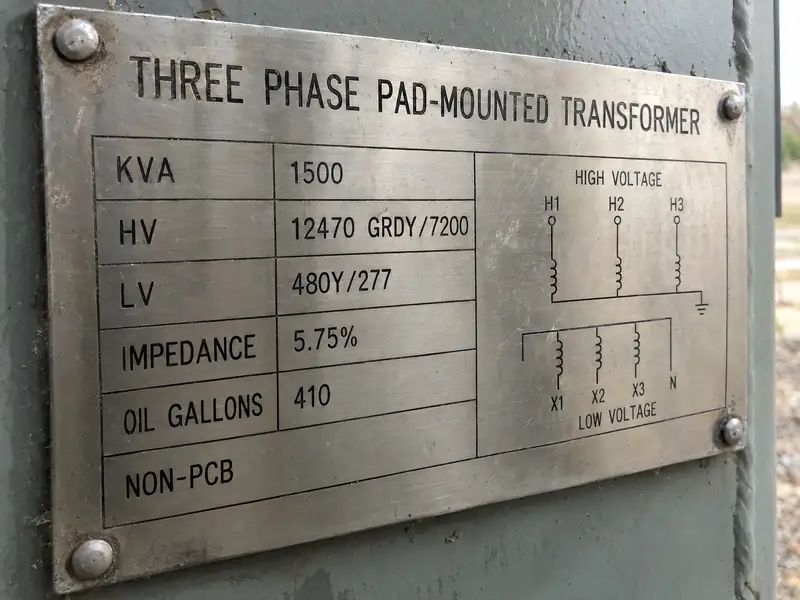
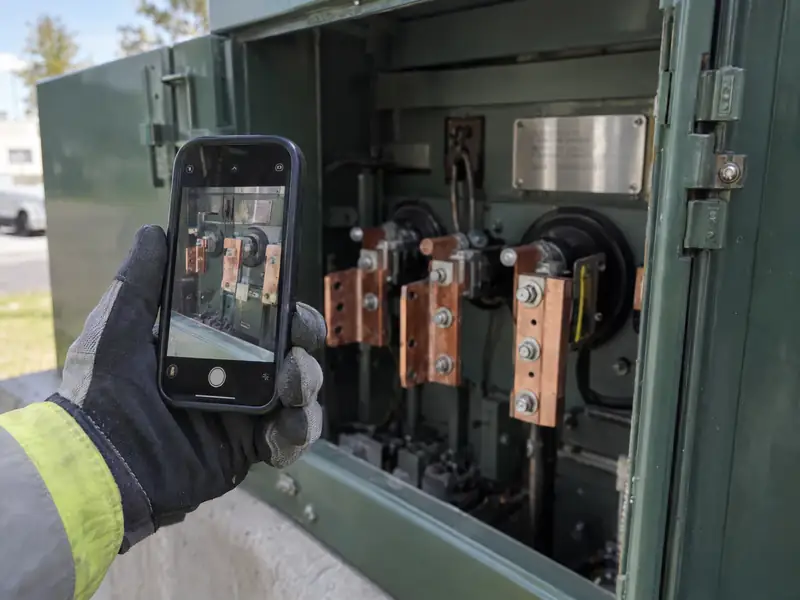
Nameplate location and layout vary by transformer type and age. Photograph each accessible manufacturer plate in place, making sure the image captures the complete text. On some equipment, serial number, catalog or style number, and year are separate fields; on others, the information may be arranged differently or appear across more than one plate.
Do not rely on a partial serial number or a typed transcription when a photo is available. Send a clear image of the full [transformer nameplate and its fields]( guide to reading a transformer nameplate ), along with overall photos from a safe position. Only photograph equipment you are authorized to access; leave access to enclosed or energized areas to qualified personnel.
05What to Send for a McGraw-Edison Transformer Review
Start with the nameplate photos and add details that help verify what the unit is and what is included. Useful information includes kVA or MVA rating, phase, primary and secondary voltage, taps, connection, impedance, cooling class and fluid type. For a multi-stage power transformer, include every listed rating and cooling stage.
Also note quantity, California location, whether the unit is used or new-surplus, known condition issues and what accessories are present. For oil-filled equipment, share available fluid and PCB records; for any unit, include test reports or maintenance records if you have them. Sellers should rely on existing documentation, testing and qualified environmental professionals for PCB or environmental determinations; this information is not legal advice.
- Nameplate and overall photos
- Serial and catalog/style number
- Year of manufacture, if shown
- Quantity and site location
- Condition and included accessories
- Available test and environmental records
06How Rating, Age and Condition Affect Buyer Interest
A McGraw-Edison transformer’s brand is useful for identifying its background, but does not determine value by itself. Buyers compare the rating and voltage configuration with potential demand, then consider age, condition, completeness and documentation. Common California distribution voltages may be familiar to buyers, but the actual nameplate voltage—not an assumed utility standard—should guide identification.
Leaks, corrosion, damaged bushings, missing parts or uncertain ownership can affect whether a unit is suitable for reuse. Test reports, PCB documentation and clear evidence that the equipment is new-surplus or previously energized can also help. Learn more about the factors used to assess a [used transformer’s potential value]( used transformer value factors ).
07Written Offers, Ownership and Pickup Planning
After reviewing the information, Rocky may ask follow-up questions about test reports, fluid or PCB records, ownership, quantity and site access. If we make an offer, it will state the price, what is included, who handles loading or rigging and freight, and payment terms and timing. Those terms are provided in writing before pickup.
The seller must own the transformer or have authority to sell it. Equipment owned by a serving utility cannot be sold by a property owner. Do not disconnect, open, drain or move a transformer to prepare it for sale; qualified electrical contractors or the serving utility handle electrical isolation and equipment work. To request a review, [contact California Transformer Buyer]( contact California Transformer Buyer ).
FAQMcGraw-Edison FAQ
Does California Transformer Buyer purchase every McGraw-Edison transformer?
No. Each unit is reviewed individually, and submitting information does not guarantee a purchase. Rating, voltage, condition, age, available records, location and removal requirements all affect whether the equipment is a fit. Include complete photos and the unit’s status so Rocky can assess the specific transformer rather than relying on the brand alone.
Can I sell a McGraw-Edison transformer if the nameplate is hard to read?
Send the clearest photos you can take safely, including the entire plate and any other visible equipment labels. Do not guess at missing digits or alter the plate to make it more readable. If you have maintenance records, test reports or older inventory documents that identify the unit, include them; those records may help clarify its specifications.
Should I use the serial number to identify a current Eaton replacement?
Not by itself. McGraw-Edison distribution lines have a Cooper/Eaton historical lineage, but large power-transformer lineage can be factory-specific. Keep the complete McGraw-Edison nameplate and factory identity intact, and use plant or serial documentation where available. A nameplate photo gives a buyer more reliable information than assuming a current brand or replacement model.
Can I sell a transformer that has been removed from service?
A removed or previously energized transformer may be reviewed, but its condition and records matter. Tell us what is known about its operating history, testing, leaks, missing components and environmental documentation. Do not reconnect, open, drain or move the equipment for a sale inquiry; have qualified personnel handle any electrical or physical work.
What if I have several McGraw-Edison units or a mixed equipment lot?
Send the quantity and a separate set of nameplate and overall photos for each identifiable unit. A simple inventory list can help distinguish ratings, voltages, condition and whether each transformer is used or new-surplus. California Transformer Buyer reviews single units and mixed lots, but each item’s specifications and condition still affect the review.
Does a McGraw-Edison brand name make a transformer more valuable?
The brand helps establish equipment identity, but it is not a stand-alone measure of value. A buyer also weighs kVA or MVA, voltage, phase, age, condition, completeness, documentation and potential demand for the configuration. Two transformers with the same brand can receive different assessments because their ratings, histories and condition differ.