01What a Rectifier Transformer Buyer Looks For
A rectifier transformer buyer evaluates the transformer as part of a converter system, not as an ordinary distribution transformer. It supplies AC power to a rectifier or converter; the rectifier produces DC. The transformer itself has AC windings, with ratings and connections designed around the converter and its load.
These units are used for electrochemical processes, large industrial drives and rail traction, among other demanding DC applications. California Transformer Buyer reviews equipment located in California, including individual units, spare transformers and project leftovers. See the broader range of equipment we consider on our transformer types page.
The application matters because a rectifier unit’s ratio, current, winding arrangement and thermal duty can limit interchangeability. A transformer that is a poor fit for one project may be relevant to another, but resale interest depends on the actual specifications, condition and demand.
02How to Identify a Rectifier Transformer by Its Nameplate
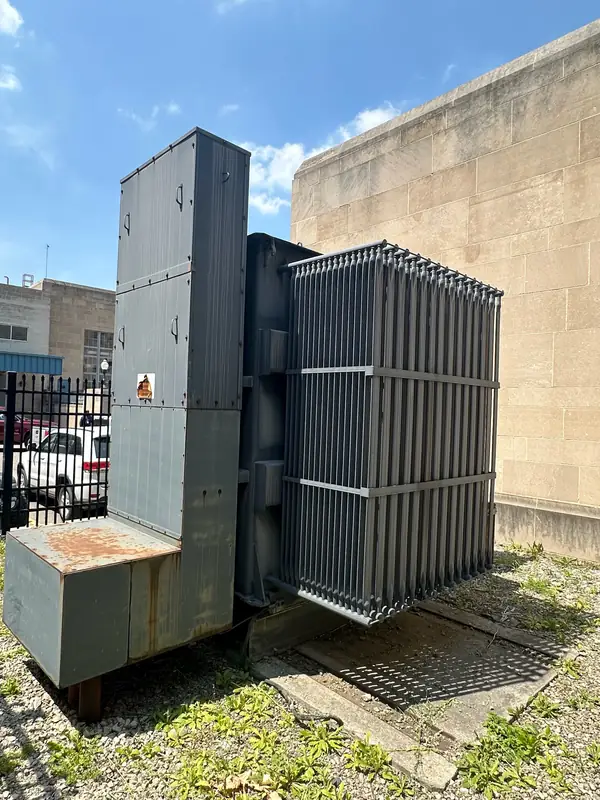
Look for converter, rectifier or traction duty wording, multiple secondary winding ratings, phase-displacement information, high-current terminals, or notes on overload and cooling duty. The enclosure may be dry-type or liquid-filled. A large industrial unit may have a substantial tank or cabinet, but appearance alone cannot establish its electrical design.
A photo of the complete nameplate is more useful than a guess based on the equipment’s size or the DC load it served. Record the AC primary and secondary voltages, connection details, tap positions, frequency, kVA or MVA ratings for each winding or operating stage, impedance, cooling class and temperature rise. Include any pulse-count or phase-shift designation shown.
Do not list a rectifier’s DC output voltage as the transformer’s secondary AC voltage. If the plate is hard to read, send a clear photo and separate overall equipment photos taken from a safe position, where you are authorized to access the equipment.
- Manufacturer, serial number and year
- AC primary and secondary ratings
- Winding connections and phase shift
- kVA/MVA by winding or stage
- Impedance, cooling and temperature rise
- Weight, fluid details and accessories
03How Rectifier Transformers Work in California Facilities
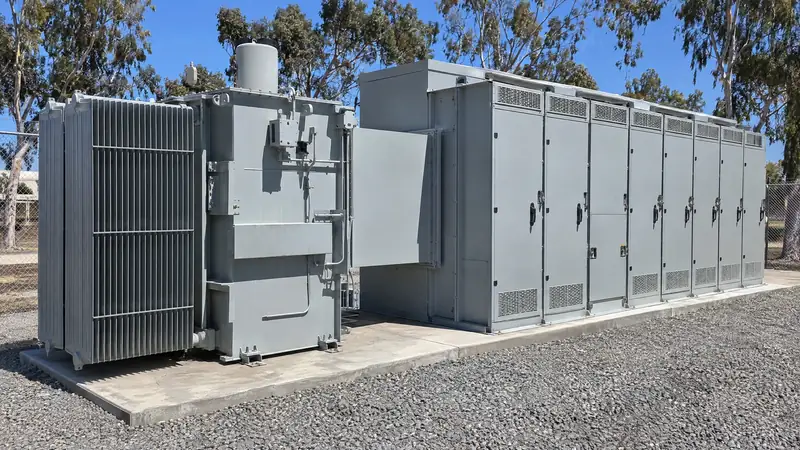
The transformer adapts incoming AC voltage and provides the winding arrangement needed by the rectifier or converter. Multiple secondary windings and phase displacement may support a multi-pulse arrangement. That design can help meet the requirements of the power-electronic system, while the rectifier—not the transformer—provides DC to the process or load.
In California, potential applications include industrial production lines, electrochemical operations, large DC drives and rail traction systems. Manufacturers and other industrial facilities may have these units as operating equipment, spare assets or equipment removed during a project change. Our page for manufacturing and industrial plants explains the kinds of facilities that contact us about electrical equipment.
The buyer needs to understand the connected duty before assessing the unit. Share what the transformer served if known, along with whether it is still installed, in storage, or removed. That context helps distinguish a specialty rectifier transformer from a standard transformer or another converter-duty design.
04Rectifier Transformer Sizes, Voltages and Construction
Rectifier transformers range from smaller industrial kVA units to multi-MVA process or traction equipment. There is no single standard size series that describes every rectifier design: the rating depends on the application, converter configuration, number of windings and required duty. Some HVDC converter transformers are much larger and belong to a distinct engineered application.
Voltage is similarly application-specific. The nameplate may show a medium- or high-voltage AC primary and one or more converter-specific AC secondary voltages, along with current, connection and phase-displacement data. Use the actual nameplate rather than assuming a rating based on the facility or its utility service. General transformer sizing references are available on our transformer kVA sizes page.
Construction may be dry-type or liquid-filled, depending on rating and duty. Relevant design details can include cooling, shielding, high-current terminals, overload capability and the impedance relationship among windings. These features can affect how practical it is to reuse the unit in a different installation.
05What Affects the Resale Value of a Used Rectifier Transformer
The most important factor is whether the transformer’s electrical design matches a potential application. Buyers consider each winding’s voltage and rating, phase displacement, pulse arrangement, impedance, current capability and thermal duty. Specialty designs can have fewer interchangeable uses than common distribution equipment, so complete records are especially helpful.
Condition and documentation also matter. Nameplate data, factory test reports and available inspection or maintenance records help establish what the unit is and what is known about it. A buyer may also consider winding material, age, cooling equipment, included accessories, missing parts, leaks or visible damage, and whether it is used or new-surplus.
For liquid-filled equipment, provide available fluid and PCB documentation. Do not infer PCB status from appearance or age. Environmental determinations depend on testing, records and qualified environmental professionals; California requirements can differ by oil concentration and management pathway. This information is not legal advice.
Market interest is specific to the transformer and the project that may use it. A rectifier transformer with an uncommon winding arrangement may still be of interest if its specifications and condition fit a buyer’s needs, but an offer is not guaranteed.
06What to Send California Transformer Buyer for an Offer
To start a review, send the nameplate photo, overall photos, quantity, California location and known condition. Include any available test reports, fluid or PCB records, and details about whether the unit is installed, stored or already removed. Identify whether the transformer is used or new-surplus, and confirm that you own it or have authority to sell it.
Call or text Rocky at (951) 403-5738, or submit the details through the contact form to request an offer. Reviewing your transformer costs nothing and creates no obligation. If information is missing, Rocky may ask follow-up questions about the winding data, ownership, records and site access.
A written offer states the price, what is included, who handles loading or rigging and freight, and payment terms and timing. Compare the written terms with your project requirements before pickup. Learn more about the process for selling your transformer.
- Nameplate and overall photos
- Quantity and California location
- Known condition and operating history
- Test reports and environmental records
- Ownership authority and site access
07Removal Planning for Large or Installed Units
Rectifier transformers can be heavy, and removal may require electrical work, rigging and freight planning. Do not disconnect, open, drain, sample or move the transformer yourself. The owner’s qualified electrical contractor or serving utility must handle electrical isolation and disconnection; qualified personnel must also account for possible backfeed from solar, batteries or generators.
Before pickup, discuss access, equipment condition, loading responsibilities and transportation with the buyer. Large loads may require permits or route approvals, and local road requirements can apply in addition to state-highway rules. The written offer identifies who handles rigging and freight, so those responsibilities are clear before pickup.
For more detail about coordinating a sale and equipment pickup, see transformer removal and pickup planning.
08Why California Sellers Contact Us About Rectifier Transformers
Specialty transformers can become surplus when a process changes, a facility is upgraded, a project is canceled or a spare is no longer needed. California Transformer Buyer considers used, removed, decommissioned, spare and new-surplus transformers from sellers across California. The unit’s application-specific design makes accurate information more useful than a generic description such as “industrial transformer.”
We review the details before pickup and put the offer terms in writing, including what is included and who is responsible for rigging and freight. Sellers can also review our used transformer buying information or learn about selling surplus transformer equipment.
FAQRectifier Transformer FAQ
Can I sell a rectifier transformer if I do not know its pulse count?
Yes, you can request a review even if the pulse count or phase-shift arrangement is unknown. Send clear nameplate and overall photos, plus any test reports or records available. Do not guess at the winding design or use a connected rectifier’s DC output as the transformer’s AC secondary rating. The nameplate and follow-up information help clarify what can be evaluated.
Will you consider a rectifier transformer that is still installed?
An installed unit can be reviewed based on its specifications, condition, ownership and site details. Do not disconnect or move it to prepare for a sale. Electrical isolation and disconnection must be handled by the owner’s qualified electrical contractor or serving utility. Share access constraints and the equipment’s status so removal responsibilities can be addressed in the written offer.
Do you buy new-surplus rectifier transformers?
California Transformer Buyer considers new-surplus equipment from sellers in California. New-surplus generally means the transformer has never been energized and is crated or on skids. Provide photos of its condition and packaging, nameplate information, quantity and location. Include any factory test report or other records, and describe whether all listed accessories are present.
What if the nameplate is damaged or unreadable?
Send the clearest photos you can take safely, including any remaining plate details, manufacturer markings and overall views. Add drawings, purchase records, test reports or maintenance documents if available. Do not open compartments or approach unsafe equipment to obtain a better image. A review may require follow-up, and incomplete information can limit how specifically the unit can be evaluated.
Can I sell a utility-owned transformer at my property?
Only the owner or someone with authority to sell the equipment can offer it for sale. A transformer located on private property may still be utility-owned, so location alone does not establish ownership. Confirm ownership or selling authority before proceeding. If the equipment belongs to a serving utility, the property owner cannot sell it.
Does a rectifier transformer have to be operational to receive an offer?
Not necessarily. The review can include used, removed, decommissioned and spare equipment, but the transformer’s known condition and documentation affect buyer interest. Describe known issues such as leaks, damage or missing parts and share available test information. An offer is not guaranteed; the decision depends on the unit’s specifications, condition and potential resale use.