01A Transformer Buyer for Hayward’s Industrial Facilities
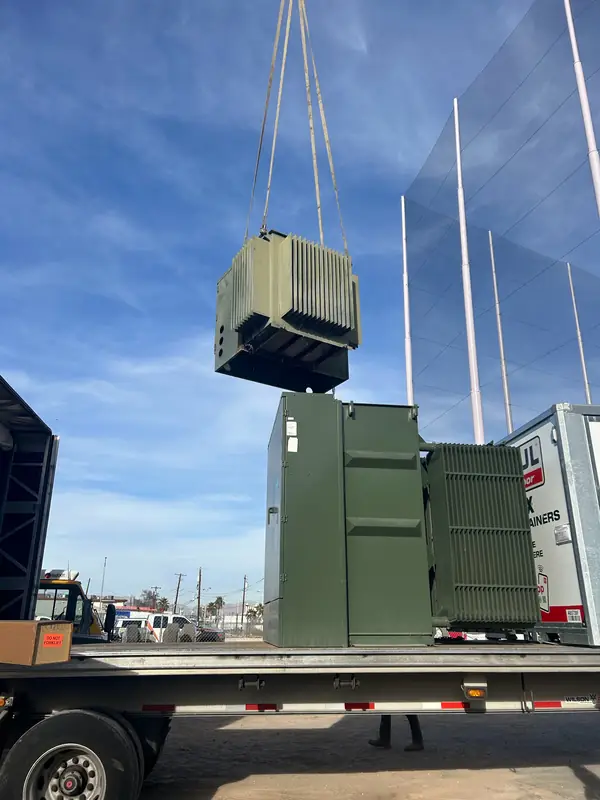
Hayward is in Alameda County, in the San Francisco Bay Area, and Pacific Gas and Electric (PG&E) serves the city. Its Industrial Technology and Innovation Corridor is a major industrial employment base. Manufacturing, industrial research and development, food manufacturing, logistics, and bioscience businesses all have different electrical needs—and may have equipment to sell after upgrades, facility changes, or project closeout.
California Transformer Buyer buys used, pulled, surplus, and new-surplus transformers from owners and authorized sellers in California. If you are comparing options around the region, see our [San Francisco Bay Area transformer buying page](San Francisco Bay Area transformer buying page).
02Transformer Types Hayward Sellers May Have
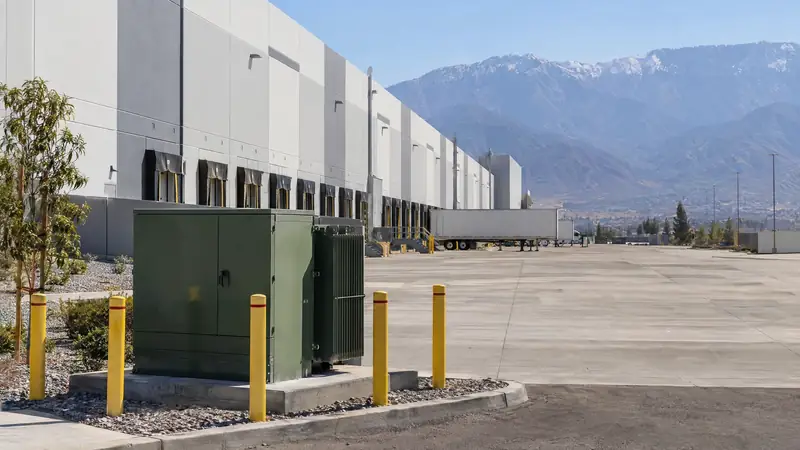
A warehouse or logistics building may have a three-phase pad-mounted transformer serving a larger electrical load. Manufacturing and food-processing sites can have pad-mounts, dry-type transformers, or a unit substation close-coupled to switchgear. Industrial research and bioscience facilities may also have dry-types or spare distribution units as electrical systems change.
Solar and storage projects can use step-up transformers to connect inverter output to a higher-voltage collection system. A retired, pulled, or uninstalled project unit may be worth reviewing; the actual nameplate, condition, testing, and completeness determine whether it fits buyer demand. Learn more about [three-phase pad-mount transformers](three-phase pad-mount transformers) and [substation transformer purchases](substation transformer purchases).
- Pad-mount distribution transformers
- Dry-type and unit substations
- Solar or storage step-up units
- Spare, pulled, and project-surplus equipment
- Single units or mixed lots
03PG&E Service Context and Nameplate Voltages
PG&E serves Hayward, but a transformer’s actual primary voltage and connection must come from its nameplate—not from the city or utility name alone. PG&E distribution configurations include 4,160 V, 12,000 V, 17,200 V, and 20,780 V primary options. Common Bay Area equipment may also have a 12 kV-class or 21 kV-class primary, but confirm the exact voltage and grounded-wye or delta connection on the unit.
Secondary ratings may include 208Y/120 V or 480Y/277 V three-phase service. These are examples, not a substitute for the equipment record or site requirements. Include tap positions, phase, kVA or MVA rating, and connection information when you ask us to review a transformer.
| Field | Examples to report |
|---|---|
| Rating and phase | kVA or MVA; single- or three-phase |
| Voltage and connection | HV/LV ratings; delta or wye |
| Cooling or insulation | Liquid-filled or dry-type; cooling class |
| Identity and age | Manufacturer, serial number, year |
| Condition records | Test reports and fluid documentation |
04How Hayward Site Access Affects Transformer Pickup
Pickup planning depends on the unit’s size and weight, its position on the property, and the equipment and access available for loading. Hayward’s I-880 and SR-92 corridors are important local routes, with SR-238 and nearby I-580 also relevant to regional travel. The planned route and final approach still need to be checked for the specific load and site.
Tell us whether the transformer is indoors or outdoors, how close a vehicle can get, and whether there are gates, low clearances, loading restrictions, or limited staging space. We review the access details and state in the written offer who handles loading, rigging, and freight. See what to expect from [transformer removal and pickup](transformer removal and pickup).
- Share site-access limits and loading conditions
- Provide approximate dimensions and total weight if known
- Identify any building, gate, or scheduling restrictions
- Have qualified personnel handle isolation and disconnection
05What to Send for a Hayward Transformer Review
Start with clear photos of the nameplate and the transformer as a whole, taken from a safe position and only where you are authorized to access the equipment. Include the quantity, Hayward location, and a brief description of condition. Do not open compartments or move equipment to take pictures.
Helpful records include factory or field test reports, oil test or DGA results, PCB documentation, and a list of included accessories. If a record is missing, say so rather than guessing. Testing, documentation, and qualified environmental professionals should guide any PCB or fluid-status determination; a photo alone cannot establish that status.
- Nameplate and overall photos
- Quantity and location
- Known condition and missing parts
- Available test and environmental records
- Ownership or authority to sell
06How to Request an Offer from California Transformer Buyer
Call or text Rocky at (951) 403-5738, send photos by text, or use the website contact form. After reviewing the information, Rocky may ask follow-up questions about test results, fluid or PCB records, ownership, and site access. Reviewing your transformer costs nothing and does not obligate you to proceed.
If the unit is a fit, you receive a written offer that states the price, what is included, who handles loading, rigging, and freight, and the payment terms and timing. Removal is scheduled after the terms are agreed. The owner’s qualified electrical contractor or serving utility—not the seller—must handle de-energizing and disconnecting equipment. For more detail, read [how selling a transformer works](how selling a transformer works) or [contact us to request an offer](contact California Transformer Buyer for an offer).
07Used, Surplus, and New-Surplus Units Are Reviewed Differently
A used transformer has been energized or placed in service; a pulled unit may be available after qualified personnel remove it. Surplus equipment may be unused spare stock or a project leftover. New-surplus generally means never energized and stored on a skid or in its original crating. Label the condition accurately and include available records so the buyer can assess the equipment appropriately.
Buyers consider rating, phase, voltages, condition, age, accessories, test information, quantity, and removal complexity. A working transformer, a leaking unit, and an incomplete unit may require different review. California Transformer Buyer buys only from California sellers, including Hayward facilities, and equipment must be owned by the seller or offered by someone with authority to sell it.
FAQSelling a Transformer in Hayward: FAQ
Does California Transformer Buyer buy one transformer from a Hayward site?
Yes. California Transformer Buyer considers single transformers as well as multiple units and mixed lots from sellers in California. Whether a particular unit is a fit depends on its rating, configuration, condition, records, and removal requirements. Send the nameplate and overall photos, quantity, location, and known condition so Rocky can review the details.
Can I sell a transformer that belongs to PG&E?
No. A property owner cannot sell utility-owned equipment simply because it is located on their property. You must own the transformer or have documented authority to sell it. If you are unsure who owns a unit, check your equipment and project records or ask the relevant utility or owner before requesting an offer.
Will you consider a transformer with missing test reports?
You can still send the available information for review. A missing report may make it harder to assess the unit, and Rocky may ask follow-up questions or request additional records. Do not make assumptions about condition or fluid status; share what is known, identify what is unavailable, and rely on qualified professionals for testing or environmental determinations.
Can I sell a transformer that is still connected?
You can ask for a review while the transformer remains installed, but only qualified electrical personnel or the serving utility may isolate and disconnect it. Do not attempt to de-energize, disconnect, open, or move the equipment yourself. Discuss the site condition and access with Rocky so the written offer can state who is responsible for loading, rigging, and freight.
What if I do not know the transformer’s exact voltage?
Send a readable nameplate photo if one is safely visible and provide any available electrical or equipment records. Do not infer the voltage from the facility, neighborhood, or PG&E service area; Hayward equipment can have different configurations. If the nameplate is unreadable or unavailable, tell Rocky what you know and what is uncertain.
Do you buy leaking or failed transformers?
Share the known condition, including leaks, damaged bushings, missing parts, or test concerns, so the unit can be reviewed accurately. A failed or leaking transformer may need a different environmental and handling determination from a working unit sold for reuse. Do not drain, sample, or move it; consult qualified electrical and environmental professionals about safe handling and documentation.