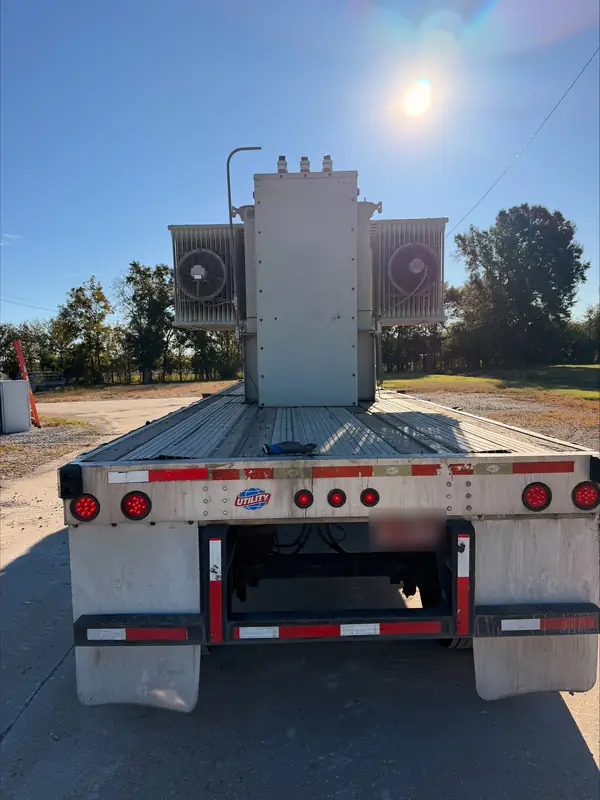
01Transformer Buyer Oakland: Equipment Found Across Port and Industrial Sites
A transformer buyer in Oakland may review equipment from port and maritime logistics, warehouses, transloading operations and rail-linked distribution sites. Those facilities can have outdoor pad-mounted units serving buildings or yard loads, as well as dry-type transformers and unit substations inside commercial or industrial properties. Actual equipment varies by site, service design and ownership.
The Seaport Logistics Complex occupies former Army Base land. Its completed initial warehouse is distinct from future full buildout, so do not assume every planned facility or electrical installation is already operating. Port properties may receive port electric service, while many other Oakland customers are served by Pacific Gas and Electric (PG&E). For other locations in the region, see the San Francisco Bay Area transformer buyer service area.
02Oakland Utility Service, Voltage Records and Equipment Ownership
PG&E serves most Oakland customers, with public-power exceptions on Port of Oakland properties. For PG&E service, documented primary configurations include 4,160 V, 12,000 V, 17,200 V and 20,780 V; common distribution classes include 12 kV and nominal 21 kV. These are regional reference points, not a substitute for the actual equipment nameplate or site records.
Port electric service does not automatically mean the property owner owns the transformer. A seller must own the unit or have authority to sell it; utility-owned equipment cannot be sold by a property owner. Confirm ownership with the responsible organization before requesting an offer, and share the service voltage and connection information if available. See the guide to transformer voltage configurations for details.
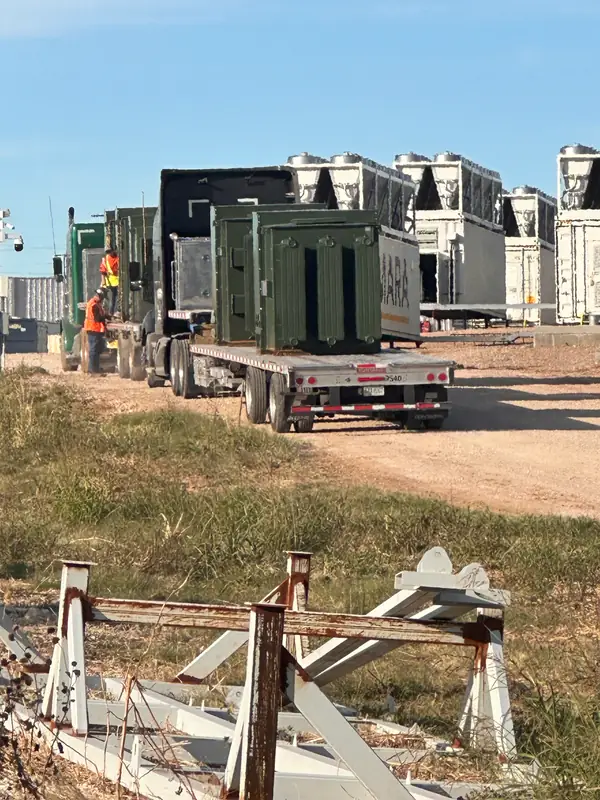
03Transformer Types Oakland Sellers May Have
The site’s use and electrical arrangement help identify what may be available, but the nameplate and photos are what allow a buyer to assess a specific unit. California Transformer Buyer considers single units, spare equipment, project leftovers and mixed lots.
- Warehouses and transloading facilities may have three-phase pad-mount transformers serving building or distribution loads. Include the kVA rating, primary and secondary voltages, and any visible accessories. Learn more about the pad-mount transformer buying process.
- A campus, larger commercial building or industrial property may use a close-coupled unit substation, medium-voltage dry-type transformer or larger power transformer.
- Downtown properties can have compact vault or network-style distribution equipment. Note whether a unit is indoors, in a vault or outdoors, but do not enter restricted areas to photograph it.
- If a property has solar, battery storage or another generation project, it may have a step-up transformer. Share its configuration and project status rather than assuming the unit matches a standard distribution transformer.
04Nameplate Details That Help Identify an Oakland Transformer
Send clear photographs of the nameplate and the overall unit, taken from a safe position and only where you are authorized to access the equipment. Do not open compartments or approach equipment that is energized or restricted. If a nameplate is unreadable or missing, share the information you can verify and note what is unknown.
For a used unit, available test reports and service records help clarify condition. For new-surplus equipment, state whether it has never been energized and whether it remains crated or on skids. A buyer may ask follow-up questions about ownership, fluid or PCB records, accessories and site conditions.
- Manufacturer, serial number and year of manufacture
- kVA or MVA rating, phase and frequency
- Primary and secondary voltage, connection and taps
- Impedance, BIL, cooling class and temperature rise
- Fluid type, gallons, weight and PCB documentation, if available
05Planning Transformer Pickup on Oakland Sites
Pickup planning depends on the transformer’s weight and dimensions, its location on the property, the route from the unit to a loading area, and any restrictions on site access. In Oakland, a warehouse yard, port property, rail-linked distribution site and downtown building can each present different access and scheduling considerations. Share gate procedures, loading hours, clearance limits and contact requirements early.
I-80, I-580, I-880, I-980 and SR-24 are important Oakland-area corridors, but the appropriate transport route depends on the load and destination. Oversize or overweight loads may require permits on state highways, and local roads can have separate requirements. California Transformer Buyer states in the written offer who handles loading or rigging and freight before pickup. Read about transformer removal and pickup planning.
06Used, Surplus and New-Surplus Transformer Review
California Transformer Buyer reviews previously energized and pulled equipment, decommissioned units, spare transformers, project leftovers and new-surplus inventory. A unit’s rating, voltage, condition, completeness, test documentation and removal requirements all affect whether it fits a buyer’s needs. A common rating or a recognizable brand does not by itself establish condition or value.
For oil-filled transformers, share existing fluid and PCB records rather than making assumptions based on appearance or age. PCB status and oil handling can require testing, documentation and review by qualified environmental professionals. This information is not legal advice. Leaking or failed equipment may need a different management pathway from a working transformer offered for reuse. See the page for used transformer evaluation or new-surplus transformer sales.
07How to Request an Oakland Transformer Offer
Start with the equipment information you have; a complete engineering file is not required to make an initial inquiry. Call or text Rocky at (951) 403-5738, send photos by text, or submit the website contact form. Reviewing the transformer costs nothing and creates no obligation.
After reviewing the details, Rocky may ask about test reports, ownership, fluid or PCB documentation, condition and site access. If an offer is made, it states the price, what is included, who handles rigging and freight, and payment terms. The removal is scheduled and payment is handled as stated in those written terms. Use the contact form to request an Oakland transformer offer or review how the transformer buying process works.
FAQSelling a Transformer in Oakland: FAQ
Does California Transformer Buyer purchase transformers from Port of Oakland properties?
It may review equipment located on a port property, but location alone does not establish who owns the transformer or which party can authorize its sale. Port properties may receive port electric service, and some equipment may belong to a utility or another organization. Confirm that you own the unit or have written authority to sell it, then share that information when you inquire.
Can I sell a transformer if the nameplate is damaged or unreadable?
You can still ask for a review. Send any legible nameplate details, overall photos taken from a safe position, and the information you can verify from records, such as voltage, rating, manufacturer or serial number. Clearly identify missing or uncertain details. Do not open the transformer or its compartments to find a nameplate; have qualified personnel handle any access that requires it.
Will California Transformer Buyer buy a transformer that is still installed?
Installed equipment can be reviewed, but a sale does not authorize the seller to disconnect or move it. The owner’s qualified electrical contractor or serving utility handles isolation and disconnection. Share the unit’s location, access restrictions and known removal requirements so those responsibilities can be addressed in the written offer before pickup is scheduled.
What if my Oakland transformer has no recent test report?
Send the information you have and state that no recent report is available. A buyer may ask about age, operating history, known leaks or damage, and any earlier factory or field records. Do not describe an untested unit as tested or fully functional. The offer review can account for the documentation available, and any follow-up testing should be handled by qualified professionals.
Can I include several transformers or a mixed equipment lot?
Yes, California Transformer Buyer reviews single units as well as multiple transformers and mixed lots. Provide a separate photo or equipment list for each unit when practical, including its rating, voltage, condition and location. Note which units are used, pulled or new-surplus. This makes it easier to distinguish equipment and identify any shared access or pickup requirements.
What should I do if the transformer has unknown PCB status?
Share existing labels, testing and environmental records, and identify the status as unknown rather than guessing. PCB classification and oil management depend on applicable rules, test results and qualifying documentation. California’s requirements for PCB-containing oil can differ from general assumptions. Rely on qualified environmental professionals for testing and management decisions; an equipment buyer’s review is not legal advice.