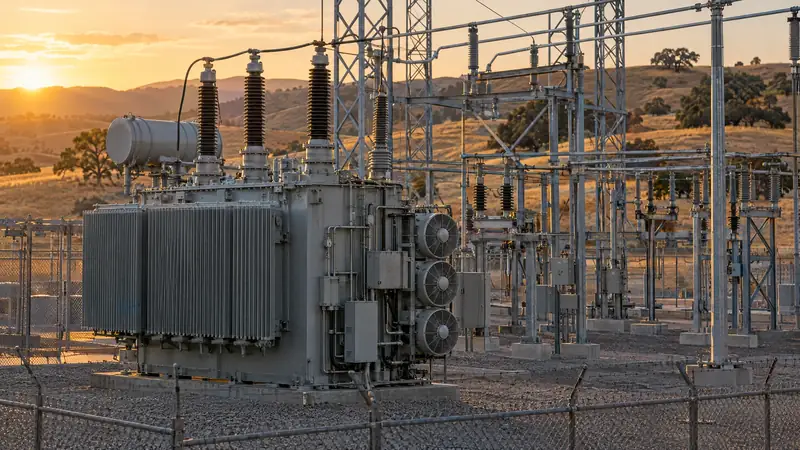
01How a Transformer Buyer in San Diego Evaluates Local Equipment
San Diego’s mix of military and defense, manufacturing, international trade, life sciences, technology and telecommunications activity can leave different kinds of electrical equipment available when facilities upgrade, relocate or complete projects. A seller may have a warehouse pad-mount, a campus unit substation, a dry-type transformer, or a spare unit held for a planned expansion. The actual equipment and nameplate—not the facility type—determine whether it fits a buyer’s needs.
SDG&E serves San Diego County and operates 12 kV distribution, with 69 kV system supply to substations. Community-choice generation does not replace SDG&E distribution. These details provide useful context, but they do not establish the voltage of any particular service or transformer; use the nameplate and facility records to confirm the unit’s actual ratings.
For nearby service-area information, see the [San Diego & Imperial Counties](San Diego & Imperial Counties) page.
02Transformer Types San Diego Facilities May Have for Sale
Commercial and industrial properties may have three-phase pad-mounted units serving buildings, production areas or distribution equipment. Sites with large electrical loads may also use unit substations that connect a transformer closely with switchgear. A campus or plant upgrade can leave a spare or removed unit even when the rest of the electrical system remains in service.
Solar, battery and other generation projects can use step-up transformers to connect inverters or generation equipment to a higher-voltage system. Larger facilities may have station-class or substation power transformers. Downtown or constrained sites may use vault or network-style equipment, while smaller applications can include pole-mounted or dry-type transformers. These are possible equipment types, not claims about any specific San Diego property.
If you are unsure how your unit is classified, share clear photos and its nameplate. The [pad-mount transformer buyer](pad-mount transformer buyer) and [substation transformer buyer](substation transformer buyer) pages describe two common equipment categories.
- Pad-mount and pole-mount distribution units
- Dry-type and unit-substation transformers
- Solar or battery step-up transformers
- Station-class and substation power transformers
- Spare, pulled and project-surplus equipment
03Nameplate Details That Help Identify a San Diego Transformer
A readable nameplate helps identify voltage, capacity, configuration and the unit’s suitability for reuse. Photograph the complete plate from a safe position, along with overall views of the equipment you are authorized to access. Do not enter a restricted area or open an enclosure to get a picture.
For a liquid-filled unit, include any visible fluid type, gallons, cooling class and PCB label. For a dry-type transformer, photograph the insulation and cooling information shown. If the plate is damaged or unreadable, send the available information and explain what is missing rather than guessing.
- Manufacturer, serial number and year
- kVA or MVA rating and phase
- High- and low-voltage ratings and taps
- Connection, impedance and BIL
- Cooling class, temperature rise and fluid
- Weight, accessories and winding material, if shown
04Condition, Test Records and Ownership Affect the Review
Include the unit’s known condition: whether it is new-surplus or previously energized, whether it has been removed, and whether there are visible leaks, corrosion, damaged bushings or missing components. Mention available test reports, such as factory results, insulation resistance, turns ratio or oil analysis. Accessories such as fans, gauges, switches and load-tap changers can also help describe what is included.
Tell the buyer whether the equipment is yours to sell or whether you have written authority to act for its owner. Utility-owned equipment located on private property cannot be sold by the property owner without authority. California Transformer Buyer reviews used and surplus equipment, but a review is not a guarantee of purchase or value.
- Quantity and storage or installation status
- Known operating history and defects
- Available test and maintenance records
- Included accessories and loose components
- Confirmation of ownership or sale authority
05Plan San Diego Pickup Around Access, Rigging and Routes
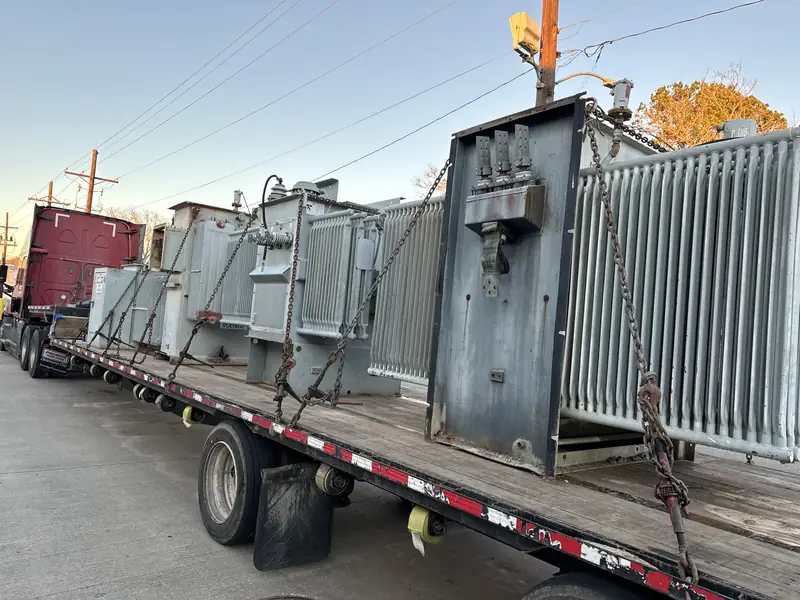
San Diego sites range from dense urban properties to industrial campuses and larger facilities. Pickup planning depends on the transformer’s dimensions and weight, loading area, gate and driveway restrictions, overhead clearances, ground conditions, and whether lifting or other rigging is needed. Provide site details early, including access hours or restrictions that could affect scheduling.
Regional routes include I-5, I-8, I-15, I-805, SR-163 and SR-905, but a route is not automatically suitable for every load. Oversize or overweight equipment may require permits for state highways, and local roads can have separate requirements. The written offer should state who handles rigging and freight and what is included before pickup is arranged.
For a fuller explanation of responsibilities and planning, read [Transformer Removal & Pickup](transformer removal and pickup).
06Start With Photos, Location and a Clear Equipment Description
To start, call or text Rocky at (951) 403-5738, or use the [contact form to request an offer](contact and offer form). Send the nameplate photo, overall equipment photos, quantity, San Diego-area location and known condition. Photos should be taken only from a safe position and only where you are authorized to access the equipment.
Rocky may ask for test reports, fluid or PCB records, ownership information and pickup-access details. If the unit is part of a larger lot, list the equipment and quantities as clearly as possible. You can also review the [step-by-step transformer selling process](how to sell your transformer) before submitting details.
07Written Offer and Service Area for San Diego Sellers
After reviewing the information and any follow-up details, California Transformer Buyer provides a written offer. It identifies the price, what equipment or accessories are included, who handles loading, rigging and freight, and payment terms and timing. Reviewing your transformer costs nothing and creates no obligation; agree on the written terms before pickup.
The company buys from sellers located in California only and serves San Diego as part of its statewide service area. If your equipment is outside the central city, provide its exact location so access and logistics can be reviewed. Sellers in nearby communities can also consult the pages for [Chula Vista](Chula Vista transformer buying), [Oceanside](Oceanside transformer buying) and [Escondido](Escondido transformer buying).
FAQSelling a Transformer in San Diego: FAQ
Can I sell an SDG&E transformer that is on my property?
Only the owner or someone with authority to sell the equipment can offer it for sale. A transformer’s location on private property does not establish that the property owner owns it; utility-owned equipment cannot be sold by the property owner. Confirm ownership or authorization before submitting it. California Transformer Buyer is not affiliated with SDG&E and does not claim utility approval or endorsement.
Does SDG&E’s 12 kV distribution voltage mean my transformer is 12 kV?
No. SDG&E’s 12 kV distribution context does not identify the rating of a particular transformer or service. Equipment may be connected at a different voltage or serve a different part of a facility. Check the nameplate, project records or other reliable documentation for the actual primary and secondary ratings, and share those details during the review.
What if the transformer nameplate is missing or unreadable?
Send overall photos and any legible markings, plus the equipment type, approximate location, quantity and known history. Do not open a compartment or approach energized equipment to search for more information. Existing drawings, purchase records or test reports may help identify the unit. The buyer can ask follow-up questions, but a missing nameplate may limit what can be established.
Do I need to disconnect the transformer before pickup?
No. Do not attempt to de-energize, disconnect, open, drain or move a transformer yourself. Isolation, testing and disconnection must be handled by the owner’s qualified electrical contractor or the serving utility, as applicable. Backfeed from solar, batteries or generators must also be considered. Pickup and loading responsibilities should be settled in writing before work is scheduled.
What PCB information should I provide with a used oil-filled transformer?
Provide available PCB labels, test results and fluid or maintenance records, and disclose if the status is unknown. Do not infer a PCB classification from appearance or age alone. Federal and California rules differ in relevant ways, and the correct management pathway depends on testing and documentation. Rely on qualified environmental professionals for determinations; this information is not legal advice.
Can I submit several transformers or a mixed equipment lot?
Yes. California Transformer Buyer considers single units as well as multiple units and mixed lots. Provide a count and, if possible, a separate nameplate and overall photo for each transformer. Note which units are new-surplus, previously energized, removed or known to have defects. A clear inventory helps the buyer review what is included and ask focused questions about the lot.