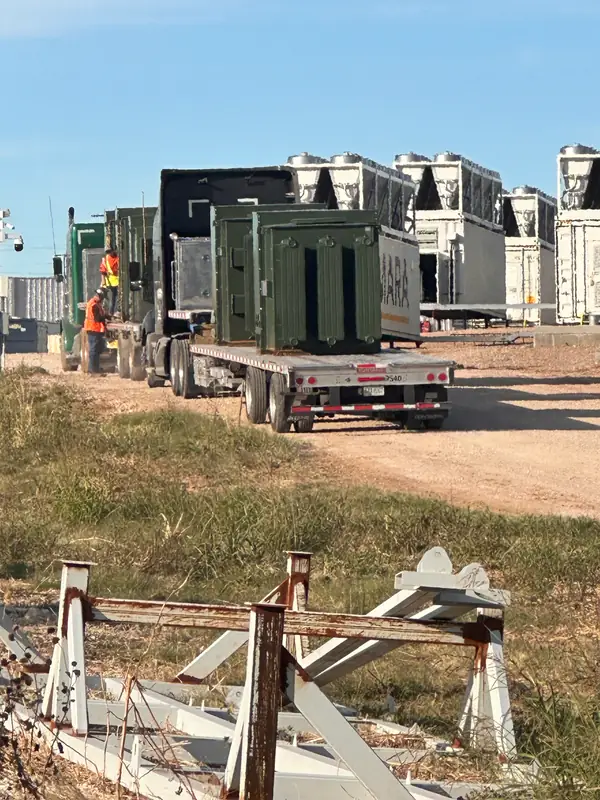
01Transformer buyer El Centro sellers can contact for a unit review
California Transformer Buyer works with owners and authorized sellers in El Centro, the principal trading center of Imperial County. The city’s agricultural trade, distribution and warehousing, government, and commercial activity can leave facilities with spare, replaced, or project-surplus electrical equipment.
The buyer considers used, pulled, decommissioned, and new-surplus transformers, from individual units to mixed lots. New-surplus means equipment that has never been energized, often stored crated or on skids. For the wider service-area context, see the page for San Diego and Imperial Counties.
02Transformer types found at El Centro facilities
A warehouse or commercial property may have a three-phase pad-mount serving building loads, while an agricultural operation may have distribution equipment supporting pumps, processing, or other site needs. These are examples of equipment a seller might encounter, not a claim about any specific facility or installation.
Government and commercial properties can have dry-type units or unit substations close-coupled to switchgear. If the equipment is a ground-level enclosure with a nameplate, photos and ratings help identify whether it fits the market for a pad-mount transformer buyer.
Identify the configuration before describing it
Record whether the unit is pad-mounted, pole-mounted, dry-type, or part of a substation arrangement if that is visible from a safe position. Share the nameplate rather than relying on appearance alone; ratings and voltage connections vary, and the actual nameplate is the reference.
Separate city equipment from regional generation
Imperial County has geothermal and solar generation and transmission infrastructure, but those assets are regional and should not be described as all being in El Centro. A project or facility may have a solar inverter step-up transformer; sellers can use the details to identify a solar inverter step-up transformer.
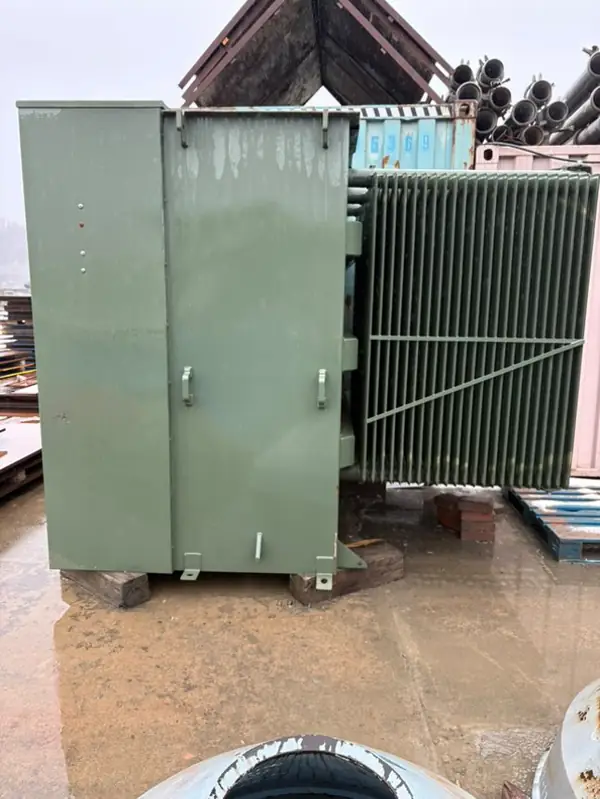
03IID service context and the nameplate details to share
Imperial Irrigation District (IID) serves El Centro. Do not assume a particular primary voltage from the utility name or the city location: IID voltage values are not verified here. Send a clear nameplate image so the buyer can review the actual primary and secondary voltage, connection, and tap information.
For a large station-class unit, also photograph the nameplate and relevant visible accessories. A unit substation or power transformer may have a different review and transportation scope from a small distribution transformer; see the information for a substation transformer buyer.
- Manufacturer, serial number, and year
- kVA or MVA rating and phase
- Primary and secondary voltage, taps, and connection
- Impedance, BIL, and cooling class
- Fluid type, gallons, and PCB label if present
- Overall condition and visible accessories
04Photos and records that help review used transformers in El Centro
Send photos of the nameplate and the whole transformer, plus the quantity, site location, and a brief condition description. Take photos only from a safe position and only of equipment you are authorized to access. Do not open compartments or handle the equipment to get a better image.
Test reports, factory records, oil or PCB documentation, and information about missing parts can help answer follow-up questions. If there are several surplus transformers, include a count and identify which records or photographs correspond to each unit. California Transformer Buyer also reviews surplus transformer lots and project leftovers.
Be precise about condition and ownership
Mention known leaks, rust, bushing damage, or missing components, and state whether the equipment is used or new-surplus. The seller must own the transformer or have authority to sell it; equipment owned by a utility cannot be sold by the property owner.
05Pickup planning for El Centro sites and regional routes
El Centro’s regional road access includes I-8, SR-86, and SR-111. These routes can help frame a pickup discussion, but the actual route depends on the unit’s dimensions and weight, site conditions, and transportation requirements. Oversize or overweight loads may need permits on state highways, and local roads can require separate approvals.
Share practical access information: gate or entrance restrictions, available staging space, surface conditions, overhead obstructions, and whether the transformer is indoors or outdoors. Do not arrange to move or disconnect it yourself. The owner’s qualified electrical contractor or serving utility handles isolation and disconnection; the written offer identifies who handles rigging and freight. Read more about transformer removal and pickup planning.
06How to sell a transformer in El Centro, CA
Call or text Rocky at (951) 403-5738, or send the information through the website contact form. Texting nameplate and overall photos is a direct way to start. Include your name, location, quantity, condition, and whether the unit is used or new-surplus.
Rocky reviews the information and may ask about test reports, fluid or PCB records, ownership, and site access. If the unit is a fit, you receive a written offer that states the price, what is included, who handles loading or rigging and freight, and payment terms and timing. Reviewing a transformer costs nothing and carries no obligation. Start with the steps to sell your transformer or get an offer from California Transformer Buyer.
07Environmental records and safe handling matter
Share existing PCB labels, test results, and fluid records; do not infer PCB status from age or appearance. PCB classifications and California oil-management requirements depend on testing and documentation, and the correct pathway can vary. Sellers should rely on records, testing, and qualified environmental professionals for determinations. This information is general and is not legal advice.
Only qualified personnel should isolate electrical equipment, including installations that may have solar, battery, or generator backfeed. Do not de-energize, disconnect, drain, sample, or move a transformer yourself. Have your qualified electrical contractor or the serving utility determine and perform the required electrical work.
FAQSelling a Transformer in El Centro: FAQ
Will you review a single transformer, or do I need a full lot?
A single unit can be submitted for review; sellers do not need to have a full yard or multiple transformers. California Transformer Buyer also considers mixed lots and project leftovers. Provide the unit’s location, quantity, nameplate photos, overall condition, and any available test or fluid records so Rocky can assess what is being offered.
What if the transformer nameplate is hard to read or missing?
Send any readable portions of the plate and clear overall photos, and explain which information is missing. Do not open a compartment or approach unsafe equipment to obtain a photograph. Existing purchase records, test reports, or manufacturer documentation may help establish ratings and identity, but a buyer may need additional information before making an offer.
Can I sell an IID-owned transformer located on my property?
Only the owner or someone authorized by the owner can sell a transformer. A property owner cannot sell utility-owned equipment merely because it is installed on the property. If ownership is unclear, check the relevant equipment and property records or contact the utility before submitting it as equipment you can sell.
Does a transformer have to be working to be considered?
California Transformer Buyer reviews different conditions, including used, removed, decommissioned, and surplus units, but a review is not a promise to buy every unit. Be candid about known damage, leaks, missing parts, and operating status. Test reports and documentation can help explain condition; a written offer, if made, states its scope and terms.
What happens after I send photos and equipment details?
Rocky reviews the information and may ask follow-up questions about specifications, condition, test reports, ownership, fluid or PCB records, and site access. If an offer is made, its written terms explain what is included, who handles rigging and freight, and payment timing. Removal is scheduled only after the parties agree to the terms.
Can I prepare or disconnect the transformer before pickup?
Do not disconnect, de-energize, open, drain, or move electrical equipment yourself. Isolation and disconnection must be handled by the owner’s qualified electrical contractor or the serving utility. Backfeed from solar, batteries, or generators must also be considered. Discuss site access and the equipment’s status during review so responsibilities can be established before pickup.