01Why EV Charging Developers Have Surplus Transformers
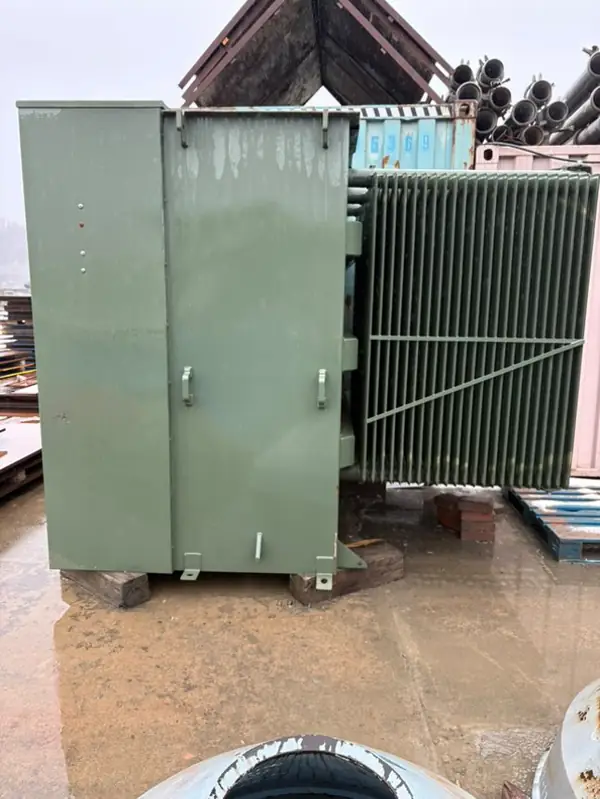
EV charging projects can leave usable electrical equipment behind when a depot is built in phases, a fleet plan changes, or the final service design differs from the early equipment order. A transformer bought as a spare may never be installed. A project may also have a pulled unit after an upgrade or a new-surplus transformer still crated or on skids.
These units can be worth reviewing before they are treated as scrap. California Transformer Buyer considers single transformers and mixed lots from California sellers. A unit’s rating, voltage, condition, records and removal requirements all affect whether it fits a resale market; no particular transformer or condition is guaranteed to be purchased.
- Unused project equipment and canceled orders
- Spare pad-mounts no longer needed after commissioning
- Transformers replaced during depot or service upgrades
- Surplus from phased fleet electrification work
02Transformer Types and Ratings Used at Charging Sites
A three-phase pad-mounted distribution transformer is a common type to encounter at a charging depot, but the right unit depends on the serving voltage, site load and electrical design. Some projects use dry-type units or larger station-class equipment as part of a broader service or substation arrangement. Identify the actual equipment from its nameplate rather than assuming its role from the project description.
Standard three-phase ratings include 500, 750, 1,000, 1,500 and 2,000 kVA, among others, with larger ratings extending into MVA sizes. These are examples of standard ratings, not a claim that every EV charging site uses them. A clear photo of the rating and voltage is more useful than estimating capacity from the number of chargers. See our guide to three-phase pad-mount transformer configurations and the transformer kVA size guide.
| Equipment family | Useful identifying details |
|---|---|
| Three-phase pad-mount | kVA, primary and secondary voltage, phase |
| Dry-type transformer | kVA, voltage, enclosure and insulation type |
| Station-class or substation unit | MVA rating, cooling class, accessories |
| New-surplus unit | Nameplate, packaging and never-energized status |
03What to Photograph and Document for an Offer
Start with the nameplate, overall views of the transformer and any visible damage or missing parts. Take photos only from a safe position and only where you are authorized to access the equipment. Do not open compartments or attempt to move, disconnect or prepare the transformer; the owner’s qualified electrical contractor or serving utility handles electrical work.
Include the manufacturer, serial number, year, kVA or MVA rating, phase, primary and secondary voltages, connection, taps, impedance, BIL and cooling class when shown. For liquid-filled equipment, note the fluid type and gallons if listed. Test reports, factory records, oil or PCB documentation, ownership details, quantity and site access information can help Rocky assess the unit. For a broader overview of the surplus transformer review process, see the linked guide.
- Nameplate and full-unit photos
- Quantity, California location and condition
- Available test reports and maintenance records
- Fluid, PCB and ownership documentation
- Site access or scheduled project constraints
04Check Voltage and Configuration Against the California Site
The same kVA rating can describe equipment with very different resale applications. California pad-mount primaries commonly include 12 kV-class configurations, 16 kV-class equipment in some SCE areas, 21 kV-class configurations in PG&E or SMUD areas, and 34.5 kV equipment for some industrial or generation applications. These are examples only: the unit’s nameplate and actual connection are controlling.
Secondary configurations also matter. Common three-phase secondaries include 208Y/120 V and 480Y/277 V, while other arrangements are possible. Provide the project’s serving utility and the transformer’s full voltage and connection information if known; do not infer compatibility from the site address alone. The California transformer voltage guide explains why primary and secondary details matter.
05Plan Around Project Timing, Access and Heavy Equipment
Charging projects often run against construction milestones, utility coordination, commissioning windows or a site turnover date. Tell us whether the transformer is already removed, still installed, stored on skids or crated, and when the space or equipment must be cleared. This lets the review account for actual access and scheduling needs rather than treating every unit as a simple pickup.
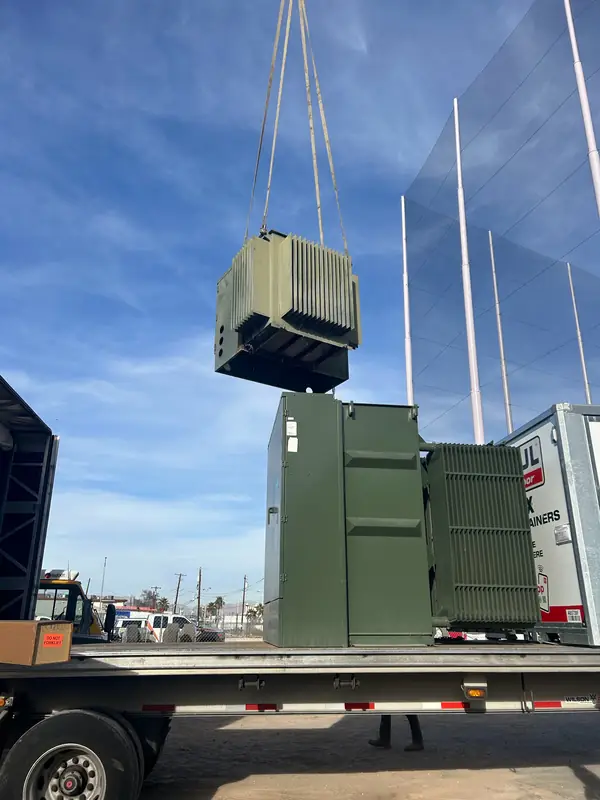
Transformers can be heavy, and rigging, loading and freight arrangements depend on the unit and location. Before pickup, the written offer states what is included and who handles loading or rigging and freight. Do not move or prepare installed equipment yourself. Review the details of transformer removal and pickup planning before coordinating work with your qualified contractor or site team.
- Share gate, operating-hour and access restrictions
- Identify whether the unit is installed or stored
- Flag project deadlines and site turnover dates
- Confirm loading, rigging and freight responsibilities in writing
06Treat PCB and Environmental Records as Part of the Review
Send existing fluid, PCB and environmental records with the equipment information when available. Do not assume that a “non-PCB” label means zero PCBs, or that unknown status can be resolved from appearance. PCB classifications and California oil-management requirements depend on testing and documentation, and the correct pathway can depend on the specific equipment and material.
Sellers should rely on applicable testing, records and qualified environmental professionals for determinations and handling decisions; this information is not legal advice. A working transformer offered for reuse is different from a leaking, drained or failed unit, which may need a separate waste determination. Also confirm that you own the transformer or have authority to sell it; utility-owned equipment cannot be sold by a property owner.
07Send the Details and Review a Written Offer
To start, call or text Rocky at (951) 403-5738, submit the website contact form, or text photos to that number. Send the nameplate and overall photos, quantity, California location and condition. Reviewing your transformer costs nothing and there is no obligation.
Rocky reviews the information and may ask about test reports, fluid or PCB records, ownership and site access. If the equipment is a fit, you receive a written offer that states the price, what is included, who handles loading or rigging and freight, and payment terms. Pickup is scheduled and payment follows the written terms. You can also use the sell your transformer information page to prepare your details.
FAQEV Charging Developers FAQ
Can I sell a transformer that was ordered for a charging project but never installed?
Yes, new-surplus equipment that has never been energized can be reviewed, including units still crated or on skids. Send clear nameplate photos, overall photos, the quantity, location and packaging or storage condition. Include available factory test reports and confirm the unit’s ownership or your authority to sell it. A review does not guarantee an offer or purchase.
Do you consider one spare pad-mount, or only large project lots?
California Transformer Buyer reviews single units as well as mixed lots and larger quantities from California sellers. Include the transformer’s rating, voltage, condition and location, even if you have only one spare. Whether a unit is a fit depends on its specifications, records and the practical requirements for pickup.
What if the transformer is still connected at the charging site?
You can provide information for an installed unit, but do not disconnect, open or move it yourself. De-energizing and disconnecting must be handled by the owner’s qualified electrical contractor or the serving utility. Photos should be taken only from a safe position by someone authorized to access the equipment. Mention the site’s access rules and project schedule when requesting a review.
Will you review a transformer without current test results?
You can still send the nameplate and photos if no recent test results are available. Tell us which records you do have, such as factory documentation, prior oil tests, maintenance history or PCB records. Testing and condition information can affect a buyer’s assessment, so do not describe unverified performance as confirmed. Follow qualified professional guidance for testing.
Can I sell a transformer that belongs to the serving utility?
Only the owner or someone authorized to sell the equipment can proceed. A transformer located on private property may still belong to a utility, so location alone does not establish ownership. Confirm ownership or obtain written authority before presenting equipment for sale. California Transformer Buyer does not claim affiliation with or approval from any utility.
Does the written offer include removal and freight?
The written offer states what is included and who handles loading or rigging and freight, along with payment terms. Those responsibilities depend on the specific transformer and site. Share access details, whether the unit is installed or stored, and any timing constraints early so the arrangements can be reviewed before pickup is scheduled.