01What a 1250 kVA Transformer Rating Usually Means
A 1250 kVA transformer is a substantial unit, but the phase and construction matter as much as the capacity. In the verified IEEE preferred rating series, 1250 kVA is listed as a single-phase rating. It is not listed as a preferred three-phase size in that series, although three-phase 1250 kVA equipment is available in some custom and IEC-series products.
That distinction helps identify what you have and how buyers may evaluate it. Nearby preferred ratings include 1000 kVA and 1500 kVA three-phase units, but do not infer a rating from appearance or application; use the nameplate. See the [1000 kVA transformer size page](1000 kVA transformer details) and [1500 kVA transformer size page](1500 kVA transformer details) for comparison.
FLAFull-Load Amps for a 1250 kVA Transformer
Rated full-load current at common California voltages. Single-phase: amps = kVA × 1000 ÷ volts. Three-phase: amps = kVA × 1000 ÷ (1.732 × volts). Use the nameplate voltage of your unit.
| Phase | Voltage | Full-load amps |
|---|---|---|
| Three-phase | 480 V | 1,504 A |
| Three-phase | 600 V | 1,203 A |
| Three-phase | 4.16 kV | 173 A |
| Three-phase | 12 kV | 60.1 A |
| Three-phase | 12.47 kV | 57.9 A |
| Three-phase | 20.78 kV | 34.7 A |
| Three-phase | 34.5 kV | 20.9 A |
02Transformer Types Available at 1250 kVA
The most directly applicable type in this rating is a single-phase substation or station-power transformer, sometimes installed as one component of a bank. Bank arrangement, system voltage and the role of the unit determine whether it can be used as a replacement or spare. More detail is available on our [substation and power transformer page](substation and power transformer types).
A three-phase 1250 kVA unit may be a custom or IEC-series design rather than a standard preferred U.S. size. Do not assume that every 1250 kVA transformer is a pad-mounted distribution unit: standard single-phase pad-mount sizes generally reach 250 kVA, while a three-phase pad-mount can be built within a broader rating range. A 1250 kVA pad mount may be a project-specific or nonstandard configuration, so the nameplate and enclosure photos are essential. See our [pad-mount transformer buying information](pad-mount transformer buyer details).
- Single-phase station transformer or bank component
- Custom or IEC-series three-phase unit
- Other configurations should be confirmed from the nameplate
03Voltage Combinations and California Applications
A 1250 kVA unit may have a medium-voltage primary paired with a lower-voltage secondary, but there is no single voltage combination that applies to every unit. California systems include distribution voltages such as 4 kV, 12 kV, 12.47 kV, 16 kV and nominal 21 kV; 34.5 kV is also used in some applications. These are system examples, not a claim that every utility accepts every configuration.
For a station transformer or bank component, the actual primary and secondary ratings, phase, connection and tap range must match the intended system. The nameplate may show delta or grounded-wye connections and may list multiple tap positions. Record the full voltage notation, including line-to-line and line-to-neutral values where shown, rather than sending only a rounded voltage.
At this rating, the strongest initial application clue is its station or bank role. Other possibilities depend on the design and project requirements. A secondary such as 480Y/277 V or 208Y/120 V is common in three-phase service generally, but do not assume either applies to your unit.
04How to Read the 1250 kVA Full-Load Amps Chart
The full-load amps chart rendered on this page gives calculated three-phase current for its listed voltages. To use it, first confirm that the transformer is three-phase, then find the chart row matching its rated voltage. The chart helps with a basic current comparison; it does not confirm that the unit’s connection, taps or other specifications suit a particular installation.
Important: the chart’s three-phase values do not apply to a single-phase 1250 kVA station transformer. For a single-phase unit, use its phase and nameplate voltage with the appropriate single-phase calculation or engineering reference. For more explanation, see [how transformer kVA and amps relate](transformer kVA and amps guide).
- Verify phase before using the chart
- Match the nameplate voltage to the chart row
- Do not use three-phase values for single-phase equipment
05Physical Size, Weight and Removal Planning
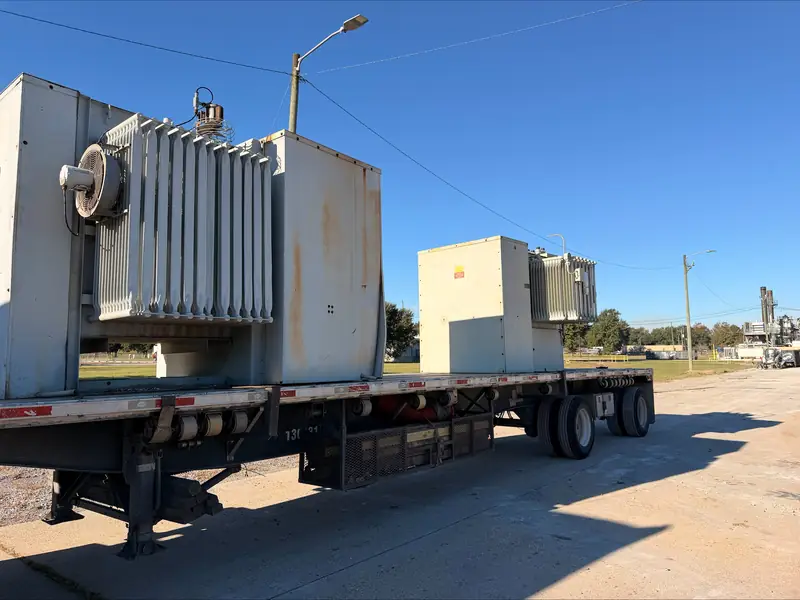
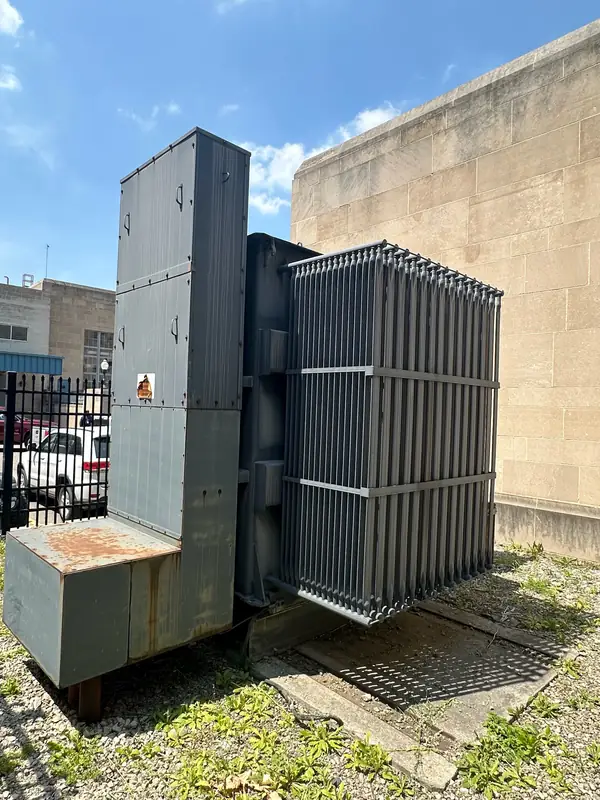
A 1250 kVA station unit is generally a large, heavy piece of equipment compared with ordinary building-service transformers. Dimensions and weight vary by manufacturer, phase, cooling design, tank construction and accessories. Some station units have radiators, fans, bushings or other components that affect their shipping dimensions and handling requirements.
For an initial review, send overall photos from a safe position and provide any available nameplate entries for total weight, tank-and-fittings weight and core-and-coil weight. Do not open compartments, disconnect equipment or move it to get a better photo. De-energizing and disconnecting must be handled by the owner’s qualified electrical contractor or serving utility.
Access, loading space and route constraints can affect pickup planning. Before pickup, the written offer states what is included and who handles rigging and freight. Large loads may also require transportation approvals depending on dimensions, weight and route.
06What Affects a Used or Surplus 1250 kVA Transformer’s Value
Rating alone does not determine whether a used or surplus transformer is a fit for resale. Buyers compare phase, primary and secondary voltages, connection, taps, impedance, BIL, cooling class and temperature rise with current project demand. A less common configuration can have a different buyer pool from a unit matching common California system voltages.
Condition and records also matter. Useful details include manufacturing year, winding material if listed, fluid type and gallons, PCB documentation, test reports, leaks, corrosion, bushing condition and whether accessories are present. A new-surplus unit with factory documentation is different from a previously energized unit with incomplete records. More context is in our guide to [factors that affect used transformer value](used transformer value factors).
PCB or fluid status should be supported by existing test results and records. If information is missing, describe that plainly rather than guessing. Sellers should rely on testing, documentation and qualified environmental professionals for environmental determinations; this information is not legal advice.
07What to Send for an Offer on a 1250 kVA Unit
California Transformer Buyer reviews individual transformers and larger lots from sellers located in California. To start, call or text Rocky at (951) 403-5738, or use the [transformer offer request page](request a transformer offer). You can also text photos to that number. Reviewing the equipment costs nothing and creates no obligation.
Send clear nameplate photos, overall equipment photos, quantity, city or county, and a short description of condition. Include any test reports, fluid or PCB records, ownership information and site-access constraints you already have. Do not enter an area or approach equipment unless you are authorized and can do so safely.
Rocky reviews the details and may ask follow-up questions. If the unit is a fit, the written offer states the price, what is included, who handles loading or rigging and freight, and payment terms and timing. Removal is scheduled under the terms agreed in writing before pickup. For general selling steps, see [how to sell your transformer](transformer selling process).
- Nameplate and overall photos
- Quantity and California location
- Condition and available test records
- Ownership authority and site-access notes
kVANearby Transformer Sizes We Buy
FAQ1250 kVA Transformer FAQ
Is 1250 kVA a standard three-phase transformer size?
It is not listed as a preferred three-phase rating in the verified IEEE series used for this page. The preferred list includes 1000 kVA and 1500 kVA three-phase ratings, while 1250 kVA is included in the single-phase series. Three-phase 1250 kVA products do exist, including custom and IEC-series units, so the exact phase and nameplate rating should guide the evaluation.
Can I sell a 1250 kVA pad-mount transformer?
You can submit the details for review, but 1250 kVA is not a typical standard single-phase pad-mount size, and a three-phase unit at that rating may be a custom configuration. Send photos of the enclosure and complete nameplate, plus the unit’s condition and location. California Transformer Buyer reviews California equipment case by case and does not promise to purchase every configuration.
What if the nameplate is hard to read or missing?
Send the clearest photos you can take safely and explain which fields are unreadable or missing. Other documentation, such as factory records, drawings or test reports, may help identify the transformer. Do not open a compartment or remove a cover to find the plate. If you cannot confirm a specification, label it unknown rather than estimating.
Can I sell a transformer that belongs to the serving utility?
You must own the transformer or have authority from its owner to sell it. Equipment located on private property may still be utility-owned, so location alone does not establish ownership. Confirm ownership before requesting an offer. California Transformer Buyer cannot purchase utility-owned equipment from a property owner who lacks authority to sell it.
Does an older 1250 kVA transformer have to meet current efficiency rules to be resold?
DOE efficiency standards apply to manufacturing requirements, and existing used or surplus transformers are not made illegal to resell simply because standards have changed. The specific unit’s age, condition, documentation and intended application still matter to a buyer. For a particular compliance or installation decision, consult the responsible engineer or qualified regulatory professional.
Do I need to disconnect or prepare the transformer before requesting an offer?
No. Start by sending photos and the information you already have; do not disconnect, open, drain or move the transformer yourself. Any isolation or disconnection must be performed by the owner’s qualified electrical contractor or serving utility. Pickup responsibilities, including loading and freight, are stated in the written offer before any removal is scheduled.