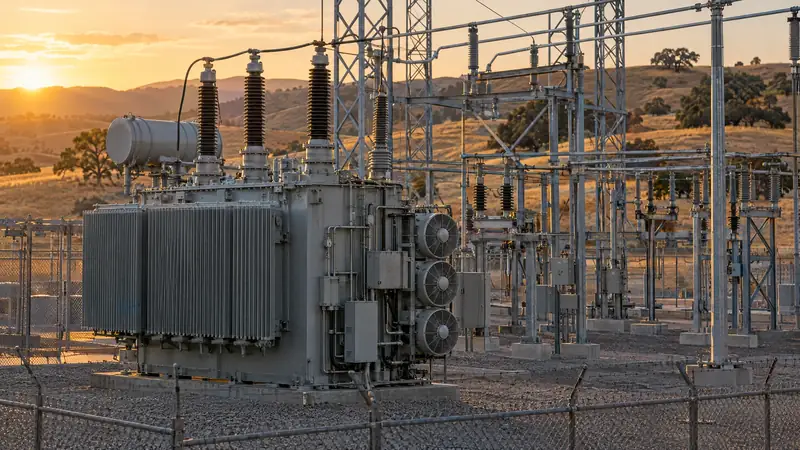
01833 kVA Transformer: A Single-Phase Power Rating
An 833 kVA transformer is a preferred single-phase rating in the IEEE C57.12.00-2015 series. It is not an ordinary residential pad-mount size. The verified application for this rating is as a single-phase power or distribution-bank component, so the complete nameplate and equipment configuration matter when identifying a unit.
For sellers, this rating may point to equipment used in a larger distribution or substation installation rather than a standalone neighborhood service transformer. See our guide to [substation and power transformers](substation and power transformers) for examples of the broader equipment family.
FLAFull-Load Amps for a 833 kVA Transformer
Rated full-load current at common California voltages. Single-phase: amps = kVA × 1000 ÷ volts. Three-phase: amps = kVA × 1000 ÷ (1.732 × volts). Use the nameplate voltage of your unit.
| Phase | Voltage | Full-load amps |
|---|---|---|
| Single-phase | 480 V | 1,735 A |
| Single-phase | 2.4 kV | 347 A |
| Single-phase | 7.2 kV | 116 A |
| Single-phase | 12 kV | 69.4 A |
| Single-phase | 19.92 kV | 41.8 A |
| Single-phase | 38.11 kV | 21.9 A |
| Single-phase | 66.4 kV | 12.5 A |
02What Equipment May Be Rated 833 kVA?
A 833 kVA unit is most commonly associated with single-phase power or substation service, or as part of a distribution bank. Pad-mount, pole-mount and dry-type designs exist across transformer families, but the rating alone does not establish that a particular 833 kVA unit is one of those types. Do not assume it is a standard residential pad-mounted transformer; verify the construction and application from its nameplate and photos.
Useful visual clues include the enclosure, bushings, radiators or cooling equipment, and whether the unit is installed as one part of a larger bank. A [substation transformer buyer](buyer for substation transformers) will need details about the full configuration, not just the kVA figure.
03Voltage Combinations and the Full-Load Amps Chart
The full-load amps chart on this page shows calculated single-phase current at several listed voltage values, from low-voltage service through higher-voltage applications. Use it as a reference for understanding rated current at a specific voltage—not as a substitute for the unit’s actual nameplate, connection diagram, taps or installation design.
For single-phase equipment, full-load current is calculated from kVA and voltage. The voltage used must match the winding being considered; primary and secondary currents differ when the winding voltages differ. Confirm the nameplate’s high-voltage and low-voltage ratings, tap positions and connection information before comparing a unit to a project requirement. Our [transformer kVA and amps guide](guide to transformer kVA and amps) explains how to read those ratings.
04Where an 833 kVA Unit May Be Used in California
An 833 kVA single-phase transformer may serve as one element in a distribution bank or a power-system installation. Its suitability depends on the system design, voltage, connections, protection and load—not simply on matching the kVA rating. In California, the actual primary voltage can differ by utility and service area, so use the equipment nameplate rather than assuming a standard voltage from the location.
When evaluating a potential reuse, a buyer or project engineer will also consider whether the unit’s configuration fits the intended system and whether records support its condition. If you have a different nearby capacity, compare the [750 kVA transformer](750 kVA transformer size) and [1000 kVA transformer](1000 kVA transformer size) pages, while checking each unit’s phase and application.
05Physical Size and Weight Depend on the Build
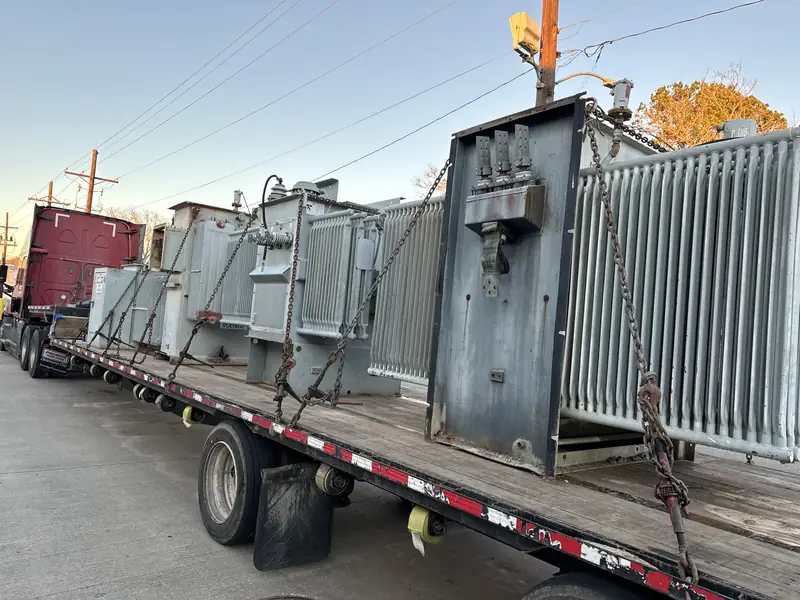
There is no dependable single dimension or shipping weight for every 833 kVA transformer. Physical size and weight vary by manufacturer, voltage class, cooling method, enclosure, accessories and construction. A power or substation unit may be a substantial piece of equipment, larger and heavier than a typical small distribution transformer, but its actual handling needs must be assessed from the specific unit and site.
The nameplate may list total weight and, on some equipment, tank-and-fittings or core-and-coil weight. Send those details if available, along with clear overall photos and information about access. Do not try to move, open or disconnect the transformer; site work and handling belong to qualified electrical and rigging professionals.
06What Affects the Value of a Used 833 kVA Transformer?
A buyer assesses more than the rating. Voltage and connection, condition, age, cooling class, impedance, BIL, winding material and completeness all affect whether a unit fits a potential reuse. Test reports and a clear history can help establish condition. Missing accessories, bushing damage, corrosion or leaks may change the assessment.
New-surplus equipment that has never been energized is evaluated differently from used equipment, and both depend on documented specifications and condition. Fluid type and PCB records matter for liquid-filled units; sellers should rely on existing testing, documentation and qualified environmental professionals when status is uncertain. These factors are explained further in [how used-transformer value is assessed](our guide to used transformer value).
- Nameplate specifications and year of manufacture
- Test reports and operating history
- Condition, completeness and fluid records
- Quantity, site access and removal requirements
07What to Send California Transformer Buyer
To request an offer, share the information you have rather than guessing at missing specifications. Photos should be taken only from a safe position and of equipment you are authorized to access. Rocky may ask follow-up questions about ownership, test records, fluid or PCB documentation, and site access before preparing a written offer.
Call or text (951) 403-5738, send photos by text, or use the [transformer offer form](contact and offer form). California Transformer Buyer buys from California sellers only. The written offer states what is included, who handles loading or rigging and freight, and the payment terms and timing before pickup.
- Nameplate photo showing rating and voltages
- Overall photos of the unit
- Quantity and California location
- Condition and available test records
- New-surplus or previously energized status
kVANearby Transformer Sizes We Buy
FAQ833 kVA Transformer FAQ
Is 833 kVA a three-phase rating?
The verified preferred rating series identifies 833 kVA as a single-phase rating. That does not establish the phase of an unidentified transformer from its appearance alone. Check the nameplate for phase and confirm it against the connection diagram. If the unit is part of a bank, provide photos and details for the full arrangement so it is not evaluated as a standalone transformer.
Can I sell an 833 kVA pad-mount transformer?
You can ask us to review an 833 kVA unit described as pad-mount, but the rating is not an ordinary residential pad-mount size. The construction and intended application need to be verified from the nameplate and photos. California Transformer Buyer reviews used, surplus and new-surplus equipment located in California; the written offer sets out the terms if there is a fit.
Does the chart show the exact amps my transformer can supply?
The chart gives full-load current for the listed single-phase voltage values. It is a reference calculation based on rated kVA and voltage, not a confirmation of a particular unit’s wiring, tap setting, condition or allowable operating limits. Use the nameplate and connection information for the equipment, and have a qualified electrical professional determine whether it suits an installation.
What if I do not have test reports or PCB records?
Send the nameplate and condition information you do have, and note which records are unavailable. A buyer may request test reports, fluid records or other documentation during review. Do not treat unknown PCB status as proof that equipment or oil is non-PCB; rely on testing, records and qualified environmental professionals to assess it. Environmental requirements depend on the facts and applicable rules.
Will California Transformer Buyer purchase a damaged or incomplete unit?
Condition and completeness affect whether a unit can be considered and what terms may apply. Tell us about leaks, corrosion, damaged bushings, missing components or known operating problems, and send photos taken from a safe position. A review is not a promise to buy every condition; any decision and pickup arrangements are stated in the written offer.
Can I sell a transformer that belongs to the utility?
You must own the transformer or have authority to sell it. Equipment on your property may still belong to the serving utility, and property ownership alone does not establish the right to sell utility equipment. Confirm ownership or obtain authorization before requesting an offer. If ownership is unclear, tell us that when you contact California Transformer Buyer.