01Can You Sell a Utility-Owned Transformer on Your Property?
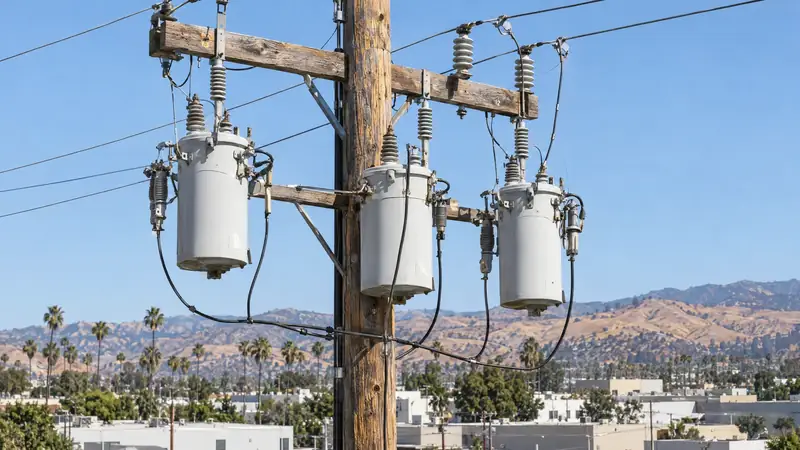
A transformer’s location does not establish ownership. A pad-mounted transformer beside your building, a pole-mounted unit serving your shop or equipment inside a fenced service area may belong to the serving utility. Owning the land, maintaining access or paying the electric bill does not give you authority to sell that equipment.
Customer-owned transformers can be offered for sale by their owner or an authorized representative. The distinction matters during demolition, service upgrades, property sales and facility closures, when equipment may appear abandoned even though ownership has not changed.
Use this transformer guide to separate three questions: Who owns the unit? Who can approve its sale? Who is authorized to make it electrically safe and remove it? These may involve different parties. California Transformer Buyer is not affiliated with any utility and cannot grant permission to dispose of utility property.
02Meter Location and Utility Tags Are Clues, Not Proof
Start with existing service drawings, purchase records and visible identification. Meter location and the documented service point can help explain the arrangement, but neither should be used alone to decide who owns a transformer. Primary-metered facilities may have customer-owned transformation downstream of the metering arrangement.
A utility asset tag is a reason to verify ownership with the utility. A missing tag is not proof of private ownership, and a manufacturer’s nameplate identifies the equipment—not its legal owner. Observe markings only from a safe position where you are authorized to be.
Ask the serving utility to confirm the specific asset using its location, asset number and available serial number. That may be PG&E, SCE, SDG&E or a municipal utility such as LADWP, SMUD or Riverside Public Utilities. Ownership depends on the actual service arrangement and records, not a blanket rule for a utility territory.
| Clue | Useful information | Limit |
|---|---|---|
| Meter and service point | How customer and utility systems connect | Does not independently prove title |
| Utility asset tag | Identifier for a utility records check | Needs confirmation for the specific unit |
| Manufacturer nameplate | Serial number and electrical specifications | Does not identify the current owner |
| Purchase and transfer records | Evidence of acquisition or ownership transfer | Must match the equipment offered |
| Site drawings | Recorded equipment and service boundaries | May be outdated or incomplete |
03Build an Ownership File for the Exact Transformer
Collect records that connect the seller to the particular transformer. Useful documents include purchase invoices, equipment schedules, bills of sale, asset registers and project closeout records. An invoice for electrical construction may cover labor or service work without establishing ownership of every installed component.
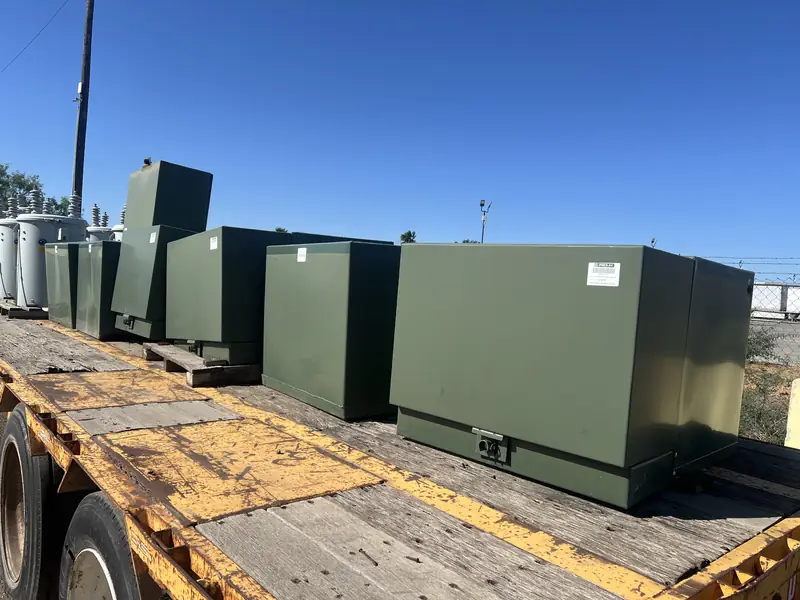
Match the documents to a serial number, utility asset number or another reliable equipment identifier. Record the quantity and exact location, especially when several similar units occupy the same yard. A description such as “the green transformer behind the warehouse” is too ambiguous for a clear transfer.
For project leftovers, compare the procurement documents with the project’s ownership and disposition terms. The guide to selling surplus transformers after a project explains the broader closeout process; this ownership check should come before treating leftover equipment as available inventory.
- Identify the legal owner, not just the site contact.
- Match records to the specific unit or lot.
- Keep written authorization for any representative.
- Resolve conflicting records before offering the equipment.
- Retain any utility confirmation or transfer document.
04Utility Releases: Removal Permission Is Not Ownership Transfer
If records indicate utility ownership, ask the serving utility how that asset will be handled. Do not remove, sell or include it in a demolition salvage lot without the owner’s authorization. A disconnected service or an old installation does not make utility property available for private sale.
Read any release carefully. Permission to access a site, perform work or remove equipment may not transfer title or authorize resale. If a utility transfers equipment, the documentation should clearly identify the unit and establish what rights are being transferred and to whom.
There is no single release form that this guide can prescribe for every California utility or project. Obtain applicable written confirmation from the utility and resolve uncertainty with the owner or appropriate legal counsel. A buyer’s written offer does not substitute for ownership documentation.
- Which serial or asset numbers does the document cover?
- Does it authorize removal, transfer ownership or both?
- Who receives title or authority to sell?
- Are there conditions or retained accessories?
- Who remains responsible for electrical and site work?
05Landlords, Tenants and Contractors Need Separate Authority Checks
The person coordinating a sale is not always the equipment owner. Before listing a transformer, determine whether the proposed seller is acting for the property owner, tenant, contractor or another organization. Written authorization should connect that representative to the owner and identify the equipment.
For a facility closure involving many assets, keep transformer ownership separate from general liquidation inventory. The transformer liquidation review can address a mixed lot, but each unit still needs a defensible ownership trail.
Landlord and tenant installations
Check the lease, equipment purchase records and any agreements concerning tenant improvements. A tenant may have purchased a transformer, while lease provisions may affect what happens at lease termination. Conversely, a landlord’s ownership of the building does not automatically establish ownership of utility equipment serving it.
Contractor salvage and replacement work
A contractor hired to replace equipment should not assume that removal authority includes salvage ownership. Review the contract’s disposition terms and obtain the owner’s written authorization where needed. Utility-owned assets require coordination with the utility rather than a contractor’s unilateral decision.
Employees and project representatives
A facility manager or project manager may organize photographs and records without having authority to execute a sale. Identify the authorized decision-maker early. This avoids negotiating a transaction that the actual owner has not approved.
06Ownership Does Not Establish Electrical Safety or Removal Readiness
A transformer can be privately owned and still energized, connected or subject to backfeed from solar, batteries or generators. “Not operating,” “building vacant” and “service canceled” are not substitutes for qualified electrical clearance.
De-energizing and disconnecting must be handled by the owner’s qualified electrical contractor or the serving utility. Only qualified personnel may open electrical compartments after proper isolation, lockout, voltage verification and grounding as applicable. Sellers should provide existing records and safe exterior photographs, not perform electrical work to prepare a sales inquiry.
Record the known energized or de-energized status and disconnected condition without making unsupported assumptions. For removal planning, document access, dimensions, weight, rigging points and site obligations. The transformer removal and pickup guide covers these logistics separately from ownership.
Fluid and PCB records also matter. A working transformer sold for reuse is equipment, but leaking units, drained oil and failed units require proper determination. California has stricter rules for PCB-containing oil; rely on testing, documentation and qualified environmental professionals. This guide is not legal advice.
07What to Send Once Ownership Is Confirmed
After confirming ownership or authority to sell, assemble the technical information needed for a review. Whether it is a used transformer, a new-surplus unit or a decommissioned spare, ratings and condition determine whether it fits a buyer’s needs. The used transformer buyer page explains the information relevant to previously energized equipment.
Provide a readable, straight-on nameplate photo if it is safely accessible without opening a compartment. Include manufacturer, serial number, year, kVA or MVA, phase, primary and secondary voltages, connections and other visible ratings. The guide to transformer kVA and amps helps distinguish electrical capacity from current ratings.
- Ownership records, seller authority and any applicable utility release.
- Quantity, exact California location and safe exterior photos of all sides.
- Visible radiators, bushings, valves, cabinet exterior and accessory plates.
- Known status, storage conditions and date last operated.
- Leaks, corrosion, damage, repairs and fault, overload or flood exposure.
- Existing factory and service tests; fluid, PCB and DGA records where applicable.
- Dimensions, weights, access clearances and included or missing accessories.
- Removal obligations and available forklift or crane access.
08Request a Review Without Assuming the Transformer Will Be Purchased
California Transformer Buyer buys used, surplus and new-surplus transformers from sellers located in California only. Call or text Rocky at (951) 403-5738, or use the contact form to request an equipment review. Reviewing your transformer costs nothing and there is no obligation.
Rocky reviews the equipment information and may request additional ownership, test, fluid or access records. If an offer is made, the written terms identify what is included, who handles loading or rigging and freight, and payment terms and timing. Purchase is not guaranteed.
The transformer selling process explains the steps from initial inquiry through an agreed pickup. Before scheduling removal, make sure ownership, electrical responsibilities and site access are settled. Never treat a buyer inquiry as authorization to disturb utility property.
FAQCan You Sell a Utility-Owned Transformer? Ownership Checklist FAQ
I paid for the transformer installation. Does that mean I own it?
Not necessarily. Your payment may have covered installation, service construction or other project costs rather than ownership of the transformer itself. Review the purchase and service documents for the specific asset. If utility ownership is possible, ask the utility for confirmation before offering the equipment for sale. Payment alone is not enough to resolve conflicting ownership records.
Can I sell a transformer after the utility replaces it?
Replacement does not automatically transfer the old unit to the property owner. The utility may retain ownership and control its disposition. Obtain documentation establishing any transfer of title or authority to sell, and match it to the old unit’s identifier. If the replaced transformer was customer-owned, confirm who owns it and whether the replacement contract assigns salvage rights.
What if a transformer was already on the property when I bought it?
Review the property transaction records, equipment schedules and service documents rather than assuming every installed asset conveyed with the real estate. Ask the serving utility to check any utility identifiers. If the records leave ownership unresolved, have the relevant parties clarify it before sale. Physical possession and long-term presence on the site are not conclusive ownership evidence.
Does a non-PCB label prove that a transformer is mine to sell?
No. A PCB label concerns fluid classification or information at manufacture, not ownership or seller authority. Also, “non-PCB” does not mean zero PCBs. Keep environmental documentation separate from title records, and rely on qualifying documentation, testing and qualified environmental professionals where needed. Neither a fluid label nor an electrical nameplate establishes the legal owner.
Can I request a review while ownership records are still being gathered?
You can explain the situation and share records or exterior photos you are authorized to obtain, but be clear that ownership is unresolved. Do not represent utility property as your available inventory. An initial equipment discussion cannot settle title, authorize removal or guarantee purchase. Complete the ownership check before proceeding with a sale or pickup arrangement.
What should I do if the utility tag and my purchase records conflict?
Pause the proposed sale and ask the utility and the party that supplied the purchase records to reconcile the discrepancy. Provide matching serial numbers, asset numbers and the exact location where available. A tag may reflect an equipment history that needs clarification, while an invoice may describe a different unit. Do not choose whichever record makes selling easier.