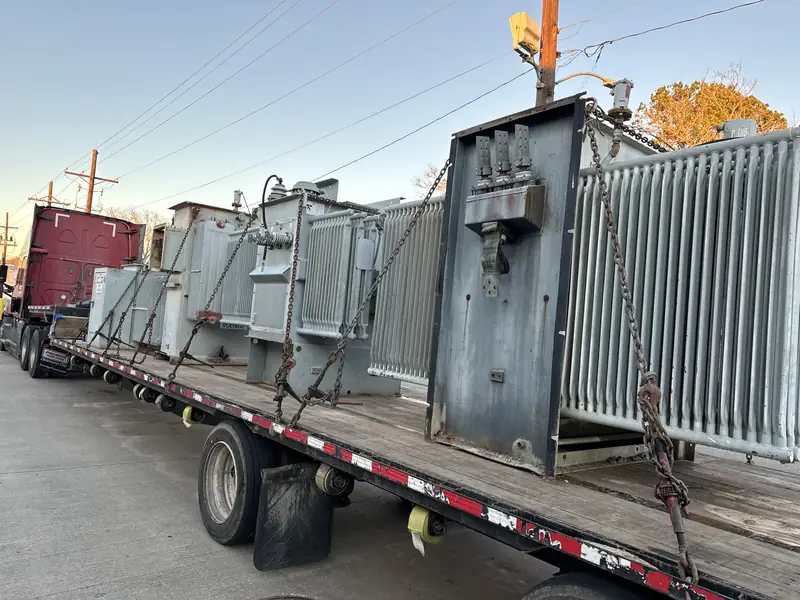
01PCB Transformers in California: What to Establish Before Selling
A transformer’s electrical usefulness and its environmental classification are separate questions. A serviceable 1000 kVA pad-mounted unit may match a buyer’s voltage requirements, yet missing PCB records can prevent an informed acceptance decision. A failed unit with the same rating may require a waste determination rather than ordinary equipment resale.
Start with existing records: the nameplate, laboratory reports, fluid-change history and any PCB labels. Also identify the owner, whether the equipment is leaking and whether the proposed destination is continued use or disposal. You must own the transformer or have authority to sell it; utility-owned equipment cannot be sold merely because it sits on your property.
This transformer guide is educational, not legal advice. Rely on testing, documentation and qualified environmental professionals for classification and management decisions. California Transformer Buyer’s transformer review and written-offer process does not replace that regulatory evaluation.
02The Three Federal PCB Concentration Categories
Federal PCB requirements are found in TSCA regulations at 40 CFR Part 761, particularly §§761.2, 761.3, 761.20 and 761.30. Concentration determines the categories below, but concentration alone does not resolve every use, transfer, servicing or disposal requirement.
Use the exact laboratory result rather than rounding to a convenient whole number. For example, 499.5 ppm is below 500 ppm and falls within the PCB-contaminated range, even though the shorthand “50–499 ppm” can suggest otherwise. Non-PCB means below the federal classification threshold, not zero PCBs or freedom from California waste rules.
| Category | PCB concentration | Seller significance |
|---|---|---|
| Non-PCB | <50 ppm | Other contamination and state rules can still matter. |
| PCB-contaminated electrical equipment | ≥50 and <500 ppm | Review applicable use, transfer and waste requirements. |
| PCB transformer | ≥500 ppm | Special use, marking, registration, servicing and disposal provisions may apply. |
The 1979 Ban Was Not a Ban on All Transformers
EPA announced the PCB manufacturing ban in May 1979 under TSCA. It concerned manufacturing PCBs and new PCB-containing equipment, not manufacturing every type of transformer. Continued use of specified existing equipment was allowed under regulated conditions, and a later manufacturing date is not proof that fluid could never have become contaminated during service.
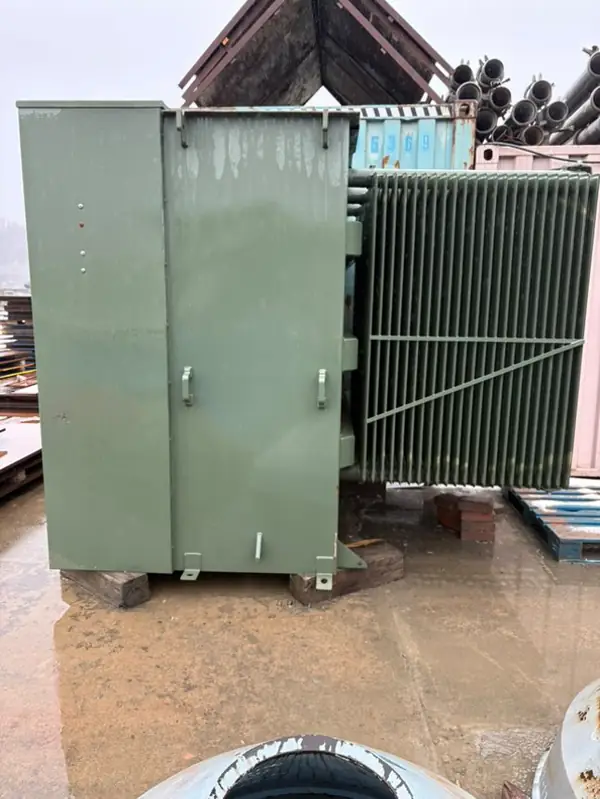
03Unknown PCB Status: Age and Fluid Type Change the Assumptions
Missing records do not make a transformer non-PCB. Section 761.2 establishes assumptions for equipment whose concentration has not been established. These assumptions distinguish mineral-oil equipment from certain non-mineral-fluid transformers and account for missing manufacturing dates.
A faded plate or an incomplete asset list can therefore affect more than identification. Document what is known without guessing the fluid type from its appearance or the equipment’s age from its enclosure design. The transformer nameplate reading guide helps identify the manufacturer, serial number, year and fluid information needed to connect records to the correct unit.
Section 761.2 permits an assumption of non-PCB for equipment manufactured after July 2, 1979. Nevertheless, valid testing, manufacturer documentation and complete service records are preferable for buyer review and may reveal contamination introduced after manufacture.
- Pre-July 2, 1979 mineral-oil electrical equipment with unestablished concentration must be assumed PCB-contaminated.
- Mineral-oil equipment with an unknown manufacturing date also triggers the PCB-contaminated assumption.
- Pre-July 2, 1979 transformers containing at least 3 pounds of non-mineral fluid, with unestablished concentration, must be assumed PCB transformers.
- If both manufacturing date and fluid type are unknown, assume PCB transformer.
04California’s 5 ppm Oil Rule Is Not a Transformer Classification
California has stricter rules for PCB-containing oil in specific circumstances. Health and Safety Code §25250.1 excludes oil containing 5 ppm or more PCBs from California’s “used oil” category. That changes the oil’s management pathway; it does not mean California classifies every transformer at 5 ppm as a PCB transformer or automatically treats every such transformer as hazardous waste.
California Title 22, §66261.24, lists a PCB total threshold of 50 mg/kg and a soluble threshold of 5 mg/L in an extract. These are different measurements. A soluble extract result should not be treated as interchangeable with a total PCB concentration in transformer fluid.
Under HSC §25250.4, used oil is generally managed as hazardous waste unless an exclusion or recycling pathway applies. DTSC requirements include registered hazardous-waste transporters and manifests when regulated used oil or waste is hauled. Qualified environmental professionals should determine the appropriate pathway from the actual material, testing and documentation.
A working transformer sold for reuse is equipment, but leaking units, drained oil and failed units require proper determination. Federal non-PCB status does not eliminate that review. Keep the equipment classification and any separate waste determination clearly identified in your records.
05What PCB Labels and Laboratory Reports Actually Establish
A label reading “No PCBs at time of manufacture” describes a manufacturing condition, not necessarily the condition after decades of servicing. A “non-PCB” label is useful supporting information, but it should be considered alongside the equipment identity, available test results and fluid-service records. Missing labels likewise do not prove that PCBs are present.
For buyer review, provide an existing PCB laboratory report that can be traced to the transformer. The serial number or asset identifier, sample date, reported concentration, units and reporting limit help establish what was tested and what the result supports. A report for a neighboring unit is not evidence for the unit being offered.
Dissolved gas analysis evaluates gases associated with operating conditions and faults; it is not a substitute for PCB analysis. The transformer oil testing and resale guide explains how fluid-condition testing supports an equipment review. If additional PCB testing is needed, sampling arrangements belong with qualified professionals—not the seller opening or sampling equipment.
- Match reports to the manufacturer, serial number or verified asset ID.
- Include records of fluid replacement, retrofilling and relevant servicing.
- Preserve the laboratory’s exact result, units and reporting limit.
- Photograph accessible labels only from a safe, authorized position.
06Resale, Continued Use and Disposal Are Different Decisions
Do not assume that every transformer at or above 50 ppm is freely resalable. Do not assume the opposite—that every existing PCB-containing transformer is categorically prohibited from transfer. Section 761.20 contains exceptions for intact, nonleaking electrical equipment, while §761.30 supplies conditions for authorized use.
Before acceptance, the parties need to establish classification, leak status, authorized use, intended destination, marking and transport requirements. Whether the transaction is a transfer for continued use or a shipment for disposal matters. California and local waste or spill requirements require separate consideration.
Draining, diluting or retrofilling alone does not automatically establish lawful reclassification. Section 761.30 provides specific reclassification processes. A seller should not describe equipment as newly non-PCB solely because replacement fluid was installed.
If the unit is failed or damaged, review the scrap and failed transformer information without assuming scrap acceptance resolves environmental obligations. California Transformer Buyer does not promise purchase of PCB-containing equipment; eligibility depends on the unit and the applicable requirements.
07Build a Review Package Without Handling the Equipment
To sell a transformer, combine environmental records with the electrical specifications a buyer needs. Include all kVA or MVA ratings, phase, primary and secondary voltages, connection, cooling class, fluid type and quantity, and available condition reports. For a substation or station-class unit, include staged cooling ratings and accessories where documented.
Send overall and nameplate photos only from a safe position where you are authorized to be. Follow the photo checklist for a transformer quote without opening compartments or approaching exposed electrical parts. Describe known leaks, bushing damage, missing components and any gaps in the records rather than trying to investigate them yourself.
Isolation and disconnection belong to the owner’s qualified electrical contractor or serving utility. Qualified personnel must address voltage testing, grounding and possible backfeed from solar, batteries or generators. Physical removal and environmental handling should be planned with appropriate professionals after the equipment’s status is established.
- Equipment identity, quantity and California location
- Owner or authorized seller’s information
- Nameplate and safely accessible label photos
- PCB reports and fluid-service documentation
- Known operating condition and leak status
- Site access and current installation status
08Request a Conditional Review From California Transformer Buyer
California Transformer Buyer reviews used, surplus and new-surplus transformers from California sellers only. PCB documentation is one part of that review, alongside rating, voltage, condition, ownership and removal requirements. A useful used transformer still needs a defensible environmental record.
Call or text Rocky at (951) 403-5738, or submit transformer details and records for review. State whether the PCB concentration is documented, assumed or unknown. Reviewing your transformer costs nothing and there is no obligation, but neither a review nor a preliminary conversation guarantees purchase.
If an offer is made, the written terms identify what is included, who handles loading or rigging and freight, and payment terms and timing. Keep environmental responsibilities and any required documentation clear before pickup. The transformer removal and pickup guide explains the practical information needed to plan that stage.
FAQPCB Transformers in California: What Sellers Should Know FAQ
My PCB report says “not detected.” Is that enough to call the transformer non-PCB?
Not detected means the laboratory did not detect PCBs at its stated reporting limit; it does not necessarily mean zero PCBs. Review that limit, the units and the equipment identification with a qualified environmental professional. A result with an unsuitable reporting limit may not answer the relevant classification or California oil-management question.
Can one PCB test cover a yard of similar transformers?
Do not assume one unit’s result establishes the status of every transformer in a lot. Similar models can have different service histories, replacement fluids or manufacturing dates. Organize available reports by serial number or verified asset identifier. A qualified environmental professional should determine what additional documentation or testing is needed for the remaining equipment.
Does natural ester or silicone fluid prove that a transformer has no PCBs?
The stated fluid type does not by itself establish the current PCB concentration. Manufacturer records and service history remain important, especially where fluids have been changed or equipment records are incomplete. Unknown-status federal assumptions also distinguish certain non-mineral-fluid transformers from mineral-oil equipment. Use documented identity and appropriate testing rather than a fluid name alone.
What if an old laboratory report conflicts with a newer non-PCB sticker?
Do not choose whichever document is more favorable. Confirm that both refer to the same transformer and review the dates, fluid-service records and basis for the sticker. A qualified environmental professional should evaluate the discrepancy and whether any claimed reclassification followed the applicable process. Disclose both documents when requesting buyer review.
Will PCB documentation affect a used transformer’s resale potential?
Yes. Reliable records help a buyer assess whether the intended transaction and use are appropriate, while uncertain status can limit evaluation or acceptance. Electrical rating, voltage, condition and site logistics still matter. Documentation does not guarantee an offer, and a technically desirable transformer is not automatically eligible for resale if environmental requirements remain unresolved.
What should I do if I notice a leak while preparing sale photos?
Stop treating the task as routine sale photography. Do not touch the fluid, open the equipment or attempt cleanup yourself. Notify the responsible facility personnel and have qualified electrical and environmental professionals assess the condition and applicable spill requirements. Tell the prospective buyer about the leak; nonleaking-equipment transfer exceptions should not be assumed to apply.