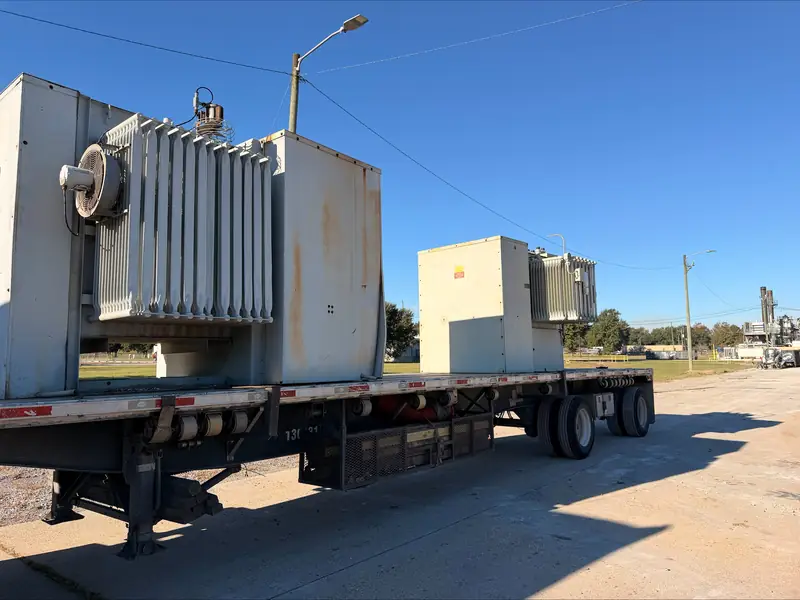
01How 12 kV and 12.47 kV appear on transformer nameplates
A 12 kV transformer and a 12.47 kV transformer are not automatically interchangeable. A nameplate might identify a 12,000 V primary, or show the system notation 12470GrdY/7200, meaning a 12.47 kV grounded-wye system with 7,200 V line-to-neutral. The voltage shown depends on the system and winding connection, so read the full notation rather than relying on a short description.
Some equipment plates show winding voltages in a different context. A PG&E plate, for example, may show a 12,000 V winding as part of a 20,780GrdY/12,000 V system, or list a reconnectable 12,000/20,780 V design. That is not the same configuration as a 12.47 kV primary. For a broader explanation of voltage, taps and connection fields, see how to read a transformer nameplate.
- 12,000 V may be a primary winding rating.
- 12,470GrdY/7,200 V identifies a grounded-wye system.
- Confirm whether a listed value is line-to-line or line-to-neutral.
02California utilities and 12 kV distribution systems
Twelve-kilovolt distribution is an important California voltage level. It is used in SCE and SDG&E service areas, and it is also documented for PG&E, SMUD and several municipal utilities. Specific systems and equipment vary by circuit, service territory and project, so a utility’s general distribution voltage should not substitute for the actual transformer nameplate.
The 12.47 kV grounded-wye notation is a widely used U.S. distribution configuration. In the verified California data for this page, 12470GrdY/7200 is specifically documented in PG&E’s Chester service area. Do not assume that every California 12 kV feeder uses this exact connection, or that a transformer with a 12 kV winding will fit a 12.47 kV system.
- SCE and SDG&E: 12 kV distribution is documented.
- PG&E: 12 kV configurations are documented; some plates show 20,780GrdY/12,000 V.
- SMUD and several municipal systems also use 12 kV distribution.
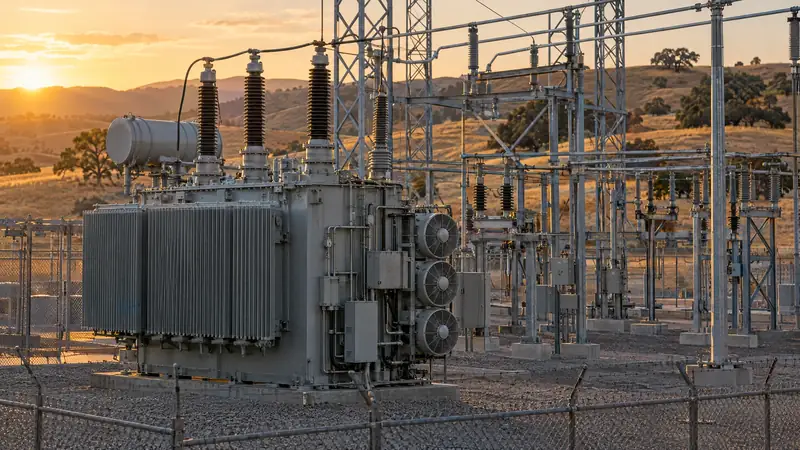
03Transformer types and kVA ratings offered at 12 kV
This voltage class appears on liquid-filled pad-mounted and pole-mounted distribution transformers, as well as larger station-class equipment. Three-phase pad-mount units can range from common distribution sizes such as 75, 150, 300 and 1,000 kVA to much larger ratings; single-phase units may be used on distribution circuits and smaller services. The configuration and rating must be confirmed from the plate.
Some 12 kV primary equipment is dry-type, especially where a transformer serves an indoor or industrial installation. Larger substation units are evaluated differently from distribution transformers because their MVA rating, cooling stages, tap changer and shipping configuration affect potential reuse. See our pages on three-phase pad-mount transformers, liquid-filled transformers and substation and power transformers.
- Distribution ratings include single-phase and three-phase kVA sizes.
- Larger station-class units may be rated in MVA.
- The primary voltage alone does not identify the equipment type.
04Where 12 kV and 12.47 kV units are used in California
These transformers serve utility distribution networks and private electrical systems across California. Typical settings include commercial and industrial properties, campuses, public infrastructure and utility substations. A 12 kV or 12.47 kV primary can feed lower-voltage services such as 120/240 V single-phase, 208Y/120 V or 480Y/277 V three-phase, depending on the transformer design and connected system.
California’s mix of utility and private networks means a unit’s location and original application matter. A transformer removed from a facility may be suitable for evaluation even if it is no longer needed there, but its original use does not establish compatibility with another site. If the unit is a different voltage class, compare its plate with our information on 4.16 kV transformers and 21 kV class transformers.
05What buyers check before reusing a 12 kV transformer
A receiving system must match the transformer’s primary and secondary voltages, phase, frequency, winding connection and available tap range. Buyers also compare kVA or MVA rating, impedance, BIL, cooling class and accessories with the intended application. A 12,000 V delta unit, for example, is not made equivalent to a 12,470GrdY/7,200 V unit simply because both are described as 12 kV class.
Condition and documentation also affect whether a unit is a practical reuse candidate. Helpful records include factory or field test reports, fluid or PCB documentation where applicable, and a clear account of known damage, leaks or missing components. Review should rely on testing, records and qualified environmental professionals when environmental questions arise; this information is not legal advice.
A seller should not open, disconnect, drain or move energized or installed equipment to prepare it for sale. Any required isolation, testing or removal is for the owner’s qualified electrical contractor or serving utility to handle.
- Match voltage, connection, phase and taps.
- Compare rating, impedance, BIL and cooling.
- Disclose known condition issues and available test records.
06What to send when you sell a 12 kV or 12.47 kV transformer
Start with clear nameplate photos and overall photos taken from a safe position, without opening compartments or entering restricted areas. Include the quantity, California location, known condition and whether the unit is used, pulled, surplus or new-surplus. If available, add test reports, fluid records and photos of accessories or visible damage.
Rocky reviews the details and may ask about ownership, site access, records or removal conditions. California Transformer Buyer buys from California sellers only, and you must own the transformer or have authority to sell it; utility-owned equipment on private property cannot be sold by the property owner. To start, use the transformer sale information page or call or text (951) 403-5738. Reviewing a transformer costs nothing and creates no obligation.
- Nameplate and overall photos
- Quantity and California location
- Condition and available test records
- Ownership authority and site-access details
Written terms before pickup
If the unit is a fit, the offer is provided in writing. It states the price, what is included, who handles loading, rigging and freight, and the payment terms and timing; those terms are agreed before pickup.
FAQ12 kV & 12.47 kV Transformer FAQ
Is a 12 kV transformer the same as a 12.47 kV transformer?
Not necessarily. “12 kV” may refer to a nominal distribution class or a 12,000 V winding, while 12.47 kV is a specific system voltage. A plate marked 12470GrdY/7200 describes a grounded-wye arrangement, not simply a 12,000 V primary. Compare the full nameplate voltage, connection and winding details with the receiving system before assuming the units are interchangeable.
What does 12470GrdY/7200 mean?
It denotes a 12,470 V grounded-wye system with 7,200 V line-to-neutral. The two values describe related system voltages, not two unrelated primary ratings. Nameplates may use abbreviations or winding diagrams, so send a clear photo of the entire plate if the notation is difficult to interpret. A qualified electrical professional should verify suitability for a specific installation.
Will a transformer from one California utility area work in another?
It may, but location alone cannot establish compatibility. Utility territories can have different feeder configurations, and private systems can use different connections or secondary voltages. A buyer or engineer needs the nameplate details and intended application, including voltage, phase, connection, taps, rating and impedance. Utility equipment may also be owned by the utility, so confirm ownership before offering a unit for sale.
Can I sell a transformer that is still installed?
You can ask California Transformer Buyer to evaluate an installed unit, but do not attempt to de-energize, disconnect, open or move it yourself. The owner’s qualified electrical contractor or serving utility must handle required isolation and removal. Send photos only from a safe position and only of equipment you are authorized to access. Include site access and any known removal restrictions when requesting an offer.
Does a transformer need to be tested before I request an offer?
You can submit the available information first; existing test reports are useful but are not required just to begin a review. If you have factory tests, field test results, fluid records or PCB documentation, include them. Do not open equipment, drain fluid or take samples to obtain information. Testing and any environmental determination should be handled by qualified professionals.
Do you buy new-surplus 12 kV transformers as well as used units?
California Transformer Buyer considers used, surplus and new-surplus transformers from sellers located in California. New-surplus means equipment that has never been energized and may be crated or on skids. Send photos, the nameplate, quantity, location and condition so Rocky can assess the specific unit. An offer is not guaranteed; the review considers the equipment and the information available.