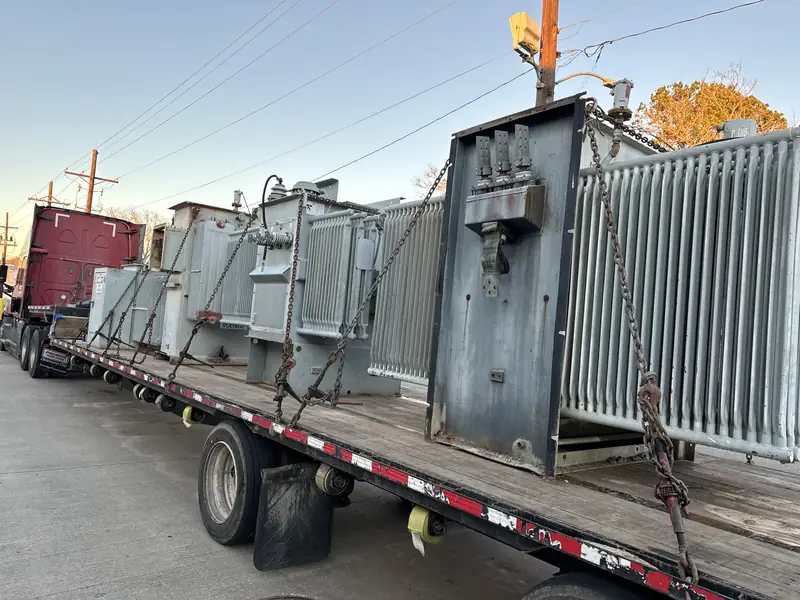
01What a 333 kVA Transformer Rating Tells You
A 333 kVA transformer is a preferred single-phase rating in the verified IEEE C57.12.00-2015 series. At this size, single-phase equipment is more typical than a standalone three-phase unit. A 333 kVA rating may also describe a bank of three transformers, but the total bank rating and configuration must be confirmed from the original equipment manufacturer (OEM) or utility records.
The rating states apparent-power capacity, not a guaranteed amount of usable load under every operating condition. Voltage, phase, cooling, installation, loading profile and the equipment nameplate all matter. If you are comparing nearby sizes, see the listings for 300 kVA transformers and 500 kVA transformers.
FLAFull-Load Amps for a 333 kVA Transformer
Rated full-load current at common California voltages. Single-phase: amps = kVA × 1000 ÷ volts. Three-phase: amps = kVA × 1000 ÷ (1.732 × volts). Use the nameplate voltage of your unit.
| Phase | Voltage | Full-load amps |
|---|---|---|
| Single-phase | 480 V | 694 A |
| Single-phase | 2.4 kV | 139 A |
| Single-phase | 7.2 kV | 46.3 A |
| Single-phase | 12 kV | 27.8 A |
| Single-phase | 19.92 kV | 16.7 A |
| Single-phase | 38.11 kV | 8.74 A |
| Single-phase | 66.4 kV | 5.02 A |
02Common 333 kVA Transformer Types and Applications
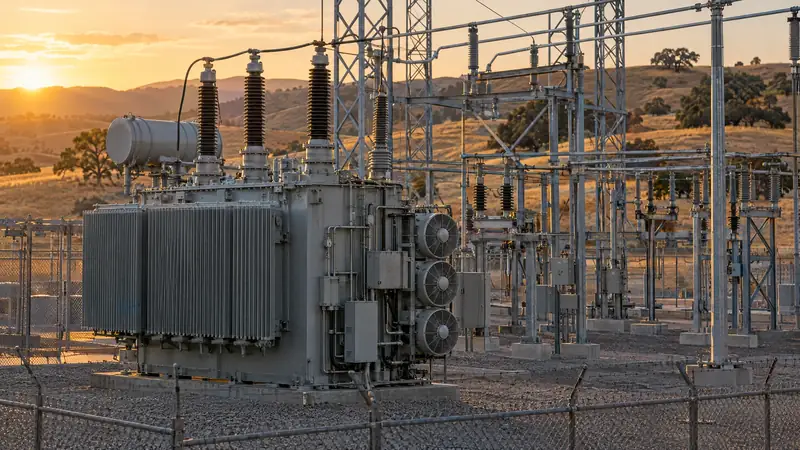
The catalog identifies pole-mount overhead, low-voltage dry-type and substation-power equipment as common types at this rating. A pole-mounted unit may serve large single-phase distribution. A dry-type transformer may be part of a building or industrial electrical system, while a substation unit can serve a larger distribution or banked-service application.
A single-phase 333 kVA pad-mount transformer is not a usual C57.12.38 standard product. A custom unit or a pad-mounted bank may exist, but do not infer the rating from the enclosure or assume that three units add up to 333 kVA. Confirm the configuration using nameplates and OEM or utility documentation. Read about pole-mount transformer configurations, dry-type transformer designs and substation and power transformers.
03Voltage Combinations, Loads and California Use
The full-load amps chart rendered on this page pairs the 333 kVA single-phase rating with several voltage entries, from low-voltage values through higher distribution and subtransmission voltages. Treat those entries as chart calculations, not as a list of voltages that every 333 kVA transformer can use. The actual primary and secondary ratings, taps and connection are on the unit's nameplate.
Common single-phase secondary service includes 120/240 V. A particular unit may have a different secondary or be designed for a specific system; verify the nameplate before considering whether it fits a site. In California, utility distribution systems vary by service territory, and the serving utility's specifications apply. A unit might support large single-phase distribution or be used as part of banked service, but its specific application depends on its design and installation.
- Check primary and secondary voltage separately.
- Confirm phase, taps and connection.
- Match the rating to the documented bank configuration.
04How to Read the Full-Load Amps Chart
The page's full-load amps chart gives the calculated current for a 333 kVA single-phase transformer at each displayed voltage. Find the row for the relevant voltage, then read across to the amps value. The chart is a reference for understanding rated full-load current; it does not establish that a particular transformer has that voltage or can safely serve a proposed load.
For single-phase calculations, kVA and voltage determine the full-load current. Three-phase calculations use a different relationship, so do not apply a single-phase row to a three-phase unit or bank. For more detail on ratings, current and calculations, use the transformer kVA and amps guide.
05Size and Weight Depend on the Transformer Design
There is no single physical footprint or weight for a 333 kVA transformer. Dimensions and total weight vary by manufacturer, enclosure, insulation or fluid system, cooling design, voltage class and accessories. A liquid-filled outdoor unit, a dry-type indoor transformer and a substation assembly can differ substantially even when their ratings match.
Use the nameplate and overall photos to identify the equipment, and share any recorded dimensions or shipping weight if available. Do not open, disconnect, drain or move the transformer to gather details. Equipment access, isolation and handling belong to the owner's qualified electrical contractor or serving utility.
06What Affects the Value of a Used 333 kVA Transformer
An offer depends on the specific unit and its potential for reuse, not kVA alone. Voltage and connection, phase, age, condition, completeness and demand for that configuration can all affect buyer interest. New-surplus equipment that has never been energized may be assessed differently from used equipment, and available factory or field test records can help establish its condition.
For a liquid-filled transformer, fluid type, gallons and PCB documentation are important. For any unit, report leaks, corrosion, damaged bushings, missing parts or known operating issues accurately. Buyers may also ask about winding material, impedance, BIL, temperature rise, cooling class and accessories. Use the guide to factors that affect a used transformer's value for more detail.
PCB status should be supported by testing and documentation, with qualified environmental professionals advising on uncertain records or handling. Do not assume a label or an unknown history establishes the unit's status; this information is not legal advice.
07What to Send for an Offer on a 333 kVA Unit
California Transformer Buyer is run by Rocky and considers used, surplus and new-surplus transformers located in California. To start a review, call or text (951) 403-5738, or submit the website contact form. You can text photos taken from a safe position of equipment you are authorized to access.
Include clear nameplate photos, overall views, the number of units, the California city or county and a brief condition description. The nameplate should show manufacturer, serial number, year, phase, kVA, voltage, taps, impedance and other visible ratings. Include available test reports, fluid and PCB records, ownership information and site-access details if you have them.
- Nameplate and overall equipment photos
- Quantity, location and condition
- Available test and environmental records
- Known access or removal constraints
08Review, Written Terms and Pickup Planning
After reviewing the details, Rocky may ask follow-up questions about test reports, records, ownership or site access. If the unit is a fit, you receive a written offer that states the price, what is included, who handles loading or rigging and freight, and payment terms and timing. Reviewing a transformer costs nothing and carries no obligation.
Do not sell utility-owned equipment unless you have authority to do so. The owner’s qualified electrical contractor or serving utility handles de-energizing and disconnecting; sellers should not attempt that work. To start the process, use the transformer offer and sale process or call (951) 403-5738.
kVANearby Transformer Sizes We Buy
FAQ333 kVA Transformer FAQ
Is every 333 kVA transformer single-phase?
No. Single-phase is the common configuration identified for this rating, but you should verify the phase on the nameplate rather than infer it from kVA. A 333 kVA figure may also refer to a bank or a custom arrangement. If the equipment is part of a bank, provide each unit's nameplate and supporting OEM or utility information so the total rating can be reviewed correctly.
Can I sell a 333 kVA pad-mount transformer?
You can submit the details for review, but a single-phase 333 kVA pad-mount is not a usual C57.12.38 standard product. It may be custom equipment or part of a bank, so its exact configuration needs verification. Send photos of the nameplate and exterior, along with any OEM or utility documentation; do not open compartments or alter the equipment to obtain information.
What if I cannot read the nameplate?
Send the clearest photos available, taken from a safe position, and tell us which fields are unreadable. Overall photos, manufacturer markings, serial information from records, test reports and purchase or maintenance documents may help identify the unit. Do not remove covers or access restricted areas to get a better image; have qualified personnel handle any inspection that requires access.
Do you consider a failed or damaged 333 kVA transformer?
Share its known condition and disclose problems such as leaks, corrosion, damaged bushings, missing parts or failed tests. A unit's condition and documentation affect whether it is suitable for reuse or another disposition, so an offer is not assured. For failed equipment or uncertain fluid status, rely on test records and qualified environmental professionals for appropriate determinations.
Will you buy a 333 kVA transformer outside California?
California Transformer Buyer considers equipment from sellers located in California only. When you contact us, provide the city or county where the transformer is located so the location is clear. If the equipment is on a property but owned by a utility or another party, the seller must have authority to sell it before a transaction can proceed.
What happens after I send photos and the nameplate?
Rocky reviews the information and may ask for details such as test reports, fluid or PCB records, ownership confirmation and site access. If the unit is a fit, the written offer sets out the price, what is included, who handles rigging and freight, and payment terms and timing. Pickup is planned under the terms agreed in writing.