01Sell an ABB Transformer: What We Review
If you want to sell an ABB transformer in California, start with the unit’s type, rating and condition. California Transformer Buyer reviews used equipment that has been removed, operating spares, project leftovers, decommissioned units, and new-surplus transformers that have never been energized. Single units and mixed lots can be considered.
ABB nameplates appear on liquid-filled distribution and power transformers, medium- and low-voltage dry-type units, and instrument transformers. We review equipment based on its actual specifications and current condition; an ABB nameplate alone does not determine whether a unit is suitable for an offer.
- Pad-mounted distribution transformers
- Power and substation transformers
- Medium- and low-voltage dry-type units
- Instrument transformers
- New-surplus and used equipment
02ABB Transformer Lines and Manufacturer Background
ABB is an active manufacturer, and ABB nameplates may be found on both current and legacy equipment. Its transformer products in the verified records include pad-mounted, power, medium-voltage dry-type, low-voltage dry-type and instrument transformers.
One corporate distinction matters when identifying older equipment: ABB’s former Power Grids transformer business became Hitachi Energy. That does not mean every ABB transformer is a Hitachi Energy unit; ABB itself continues to offer low-voltage dry-type transformers. For equipment from that successor business, see our information on Hitachi Energy transformers.
03What an ABB Transformer Nameplate Can Tell a Buyer
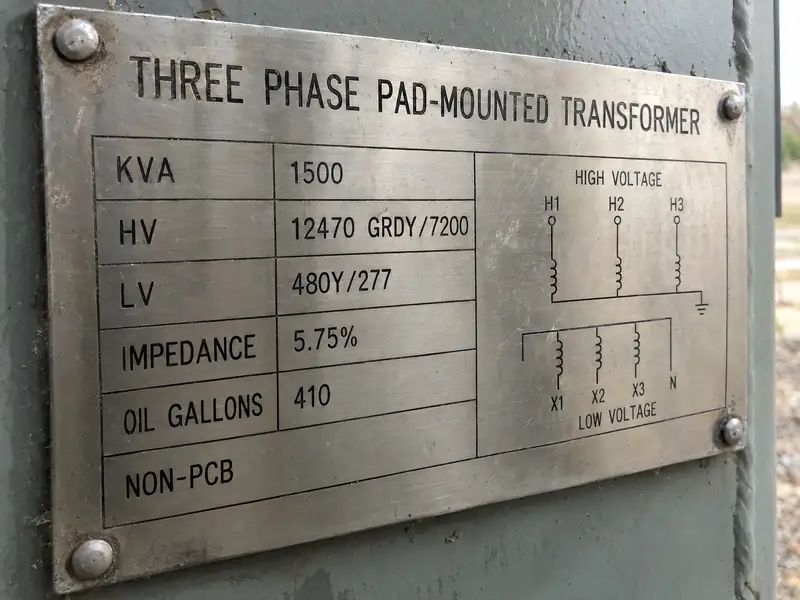
The nameplate is the best starting point for confirming what a unit is. Depending on the model and age, look for the manufacturer, serial number, catalog or style number, year of manufacture, kVA or MVA rating, phase, primary and secondary voltages, taps, impedance, cooling class and connection information. The exact layout and terminology can vary.
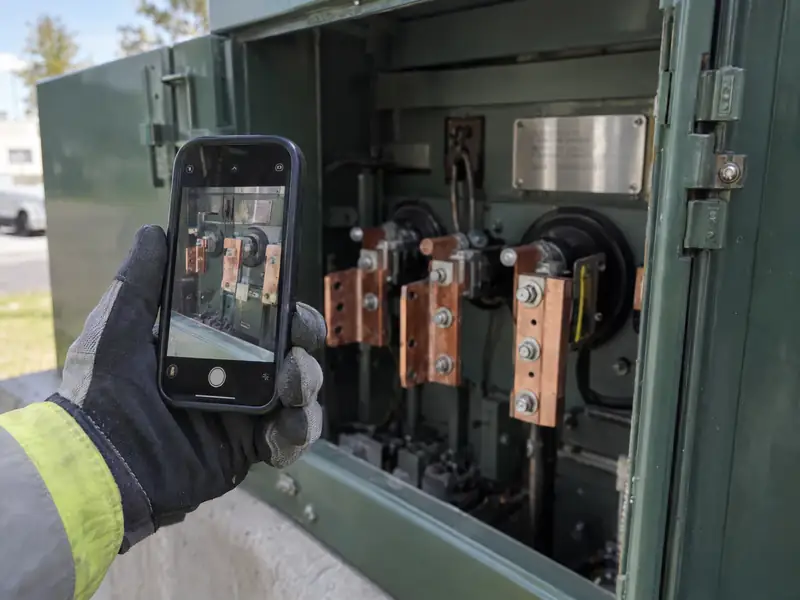
On some units, a serial number, catalog/style identifier or date may be printed on a separate identification label. Photograph every accessible label from a safe position, without opening compartments or approaching equipment you are not authorized to access. Our transformer nameplate guide explains common fields and how to record them.
| Field | What to note |
|---|---|
| Identity | Serial, catalog/style number, year |
| Rating | kVA or MVA; all stages |
| Electrical | Phase, voltages, taps, connection |
| Insulation | Fluid or dry-type; cooling class |
| Condition records | PCB label and test reports |
04What to Send an ABB Transformer Buyer
Send clear nameplate photos, overall photos, the number of units, the California location and a brief condition description. Include test reports or available records for fluid and PCB status, and note whether the unit is used or new-surplus. Photos should be taken only from a safe place and only when you are authorized to access the equipment.
For a liquid-filled transformer, records about fluid type and quantity, leaks, and test history can help. For dry-type equipment, report visible damage, missing parts and any available inspection or test documents. You do not need to guess at technical fields: share what is legible, and Rocky can ask follow-up questions.
- Nameplate and identification-label photos
- Overall photos from a safe position
- Quantity, location and condition
- Available test and environmental records
- Ownership or authority to sell
05How Rating, Age and Condition Affect an ABB Unit
Brand helps identify equipment, but rating and condition usually matter more to a buyer. Review includes kVA or MVA, phase, primary and secondary voltage, taps, connection, impedance, cooling, fluid or insulation type, year, winding material when stated, and whether test reports are available.
Physical condition and completeness also count. Leaks, corrosion, damaged bushings, missing accessories, and incomplete records can affect whether a unit fits a resale need. New-surplus status can be relevant, but it does not replace confirming the nameplate and storage condition. For more context, see what affects a used transformer’s value.
06Pad-Mount, Dry-Type and Substation ABB Equipment
An ABB pad mount transformer may be a single- or three-phase distribution unit. Its actual nameplate voltage, kVA rating, configuration and condition are more useful than assuming a standard specification based on brand. See our pad-mount transformer buying information for details on this equipment type.
ABB dry-type units may serve building, commercial or industrial loads, while larger power transformers may be intended for substation service. For dry insulation types and configurations, visit dry-type transformer information. Larger station-class equipment can require additional shipping and site planning; our substation transformer buyer page covers those units.
07Independent ABB Transformer Buyer Serving California
California Transformer Buyer is an independent buyer run by Rocky and is not affiliated with ABB, Hitachi Energy or any utility. We buy from sellers located in California; the seller must own the transformer or have authority to sell it. A property owner cannot sell utility-owned equipment simply because it is installed on the property.
To begin, call or text (951) 403-5738, or use the contact form to request an offer. Share the available details and Rocky may ask about records, ownership, access and removal planning. If an offer is made, it states the price, what is included, who handles loading or rigging and freight, and payment terms. Reviewing a transformer costs nothing and carries no obligation.
FAQABB FAQ
Does California Transformer Buyer buy every ABB transformer?
No. Each unit is reviewed individually, and an ABB brand name does not guarantee an offer. The rating, voltage, configuration, age, condition, available records, quantity and removal circumstances all matter. California Transformer Buyer considers eligible used, surplus and new-surplus equipment from California sellers. Send the nameplate and condition information so Rocky can determine whether the unit fits a potential purchase.
Where do I find the serial number or catalog number on an ABB transformer?
Start with the main nameplate, where the serial number and catalog or style identifier may be listed among the equipment details. On some units, these identifiers or the manufacture year may appear on another identification label. The layout varies by equipment and age. Photograph all visible labels from a safe position rather than opening a compartment or handling the transformer.
Can I sell an ABB transformer without the original test report?
You can still send the unit for review, but include any records you do have. A factory test report, later electrical test results, fluid analysis or PCB documentation may help establish its condition and history. If documents are missing, say so rather than estimating results. The buyer may ask follow-up questions, and the absence of records can affect the assessment.
Do you buy ABB transformers that are old, damaged or leaking?
Age or damage does not automatically answer whether a unit can be considered, but neither does the ABB nameplate establish suitability. Describe visible issues such as leaks, rust, damaged bushings or missing parts, and provide available testing and environmental records. Do not open, drain, disconnect or move the transformer to prepare it for review; qualified personnel should handle electrical and environmental work.
What should I do if the ABB transformer belongs to a utility?
Confirm ownership or your authority to sell before requesting an offer. Equipment installed on a property may still belong to the serving utility, and a property owner cannot sell utility-owned equipment. If ownership is unclear, check the relevant property, project or utility records before proceeding. California Transformer Buyer is independent and is not affiliated with or approved by utilities.
How do PCB records affect an ABB transformer review?
Share existing PCB labels, test results and supporting records without making assumptions from the manufacturer or age alone. PCB status and applicable handling requirements depend on testing and documentation; California rules for PCB-containing oil can differ from federal classifications. Sellers should rely on qualified environmental professionals for determinations and management decisions. This information is general and is not legal advice.