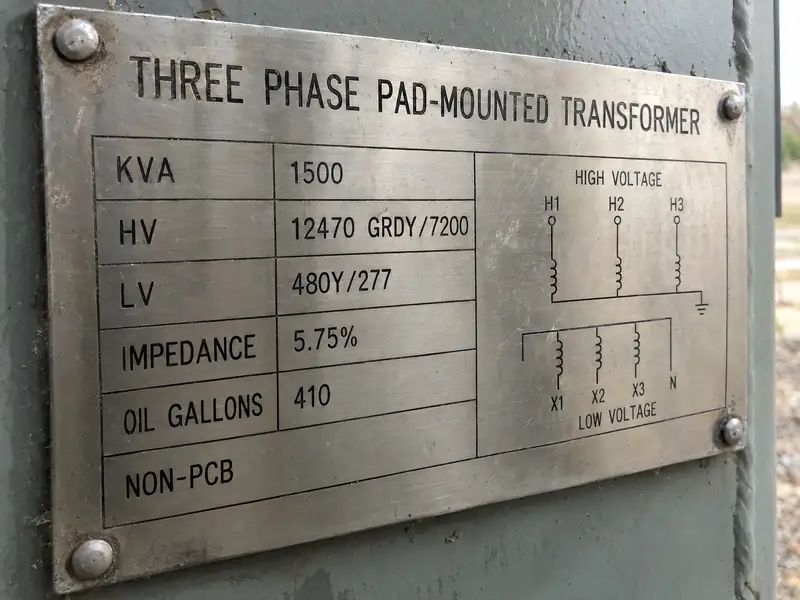
01Eaton and Cooper Power Systems transformer lines
Eaton acquired Cooper Industries in 2012. Because of that relationship, Eaton and Cooper markings can appear on related products from different periods. Cooper Power Systems is now represented within Eaton’s Cooper Power series portfolio; a Cooper nameplate is not unusual on liquid-filled distribution or substation equipment.
Eaton supplies low-voltage dry-type transformers as well as Cooper Power series liquid-filled units. The product range encountered by sellers includes pad-mounted, overhead and substation transformers, along with voltage regulators and equipment used in solar or battery energy storage applications. See our pages on dry-type transformers and transformer brands for related equipment information.
02What Eaton (Cooper Power Systems) transformers we buy
California Transformer Buyer considers used, removed, surplus and new-surplus electrical transformers from sellers located in California. That can include single-phase or three-phase pad-mounted units, overhead distribution transformers, low-voltage dry types, substation equipment and project spares. New-surplus means never energized equipment, often still crated or on skids; used units have previously been energized.
We also review mixed lots and quantities ranging from one unit to larger groups. Product type alone does not determine whether a transformer is a fit. Rating, voltage, condition, documentation, location and the practical requirements for removal all matter.
- Liquid-filled pad-mounted and overhead units
- Low-voltage dry-type transformers
- Substation and station-class equipment
- Spare units and project leftovers
- Used, surplus and new-surplus inventory
Configurations may affect buyer interest
For a pad-mounted unit, send the phase, kVA, primary and secondary voltages, and whether the transformer is single-phase or three-phase. Our pad-mount transformer buying page explains the equipment details that help identify a unit.
For larger station-class equipment, include all capacity stages and cooling information where shown. Substation transformers may have fans, radiators, tap changers or other accessories; our substation transformer buyer information covers additional relevant details.
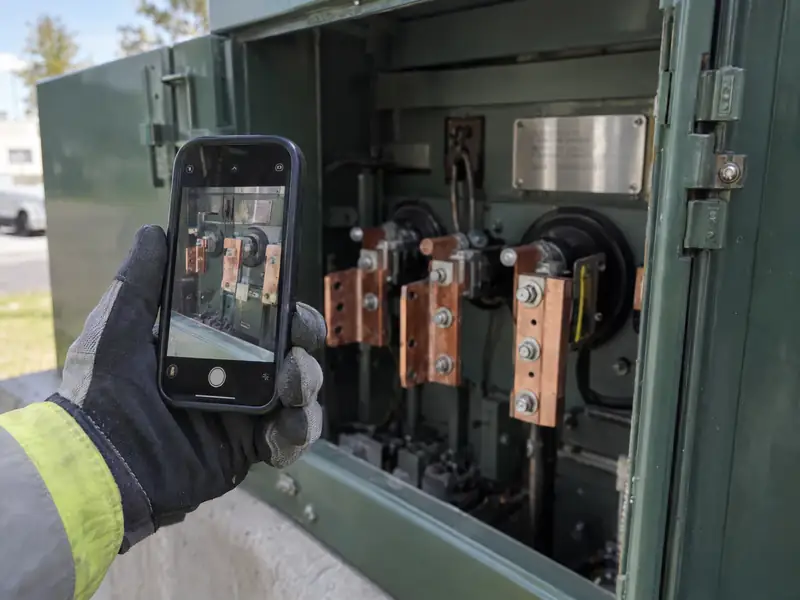
03Where to find an Eaton (Cooper Power Systems) transformer nameplate
The nameplate is usually fixed to the transformer tank or enclosure in a visible location, but its position varies by product and design. Take a photo from a safe position, without opening compartments or approaching equipment you are not authorized to access. Have a qualified electrical contractor or the serving utility handle any work requiring access to energized equipment.
On an Eaton or Cooper Power Systems nameplate, look for the manufacturer marking, serial number, catalog or style number, and year of manufacture if provided. The exact layout varies across product generations, so a clear photo of the full plate is more useful than relying on one field. Our transformer nameplate guide explains common rating fields.
- Serial number and catalog or style number
- Year of manufacture, if listed
- kVA or MVA rating and phase
- Primary and secondary voltage, taps and connection
- Impedance, BIL and cooling class
- Fluid type, gallons and weight, if shown
04Details to send when you request an offer
Send one or more clear nameplate photos, overall photos of the transformer and its quantity, California location and known condition. Include whether the unit is new-surplus or previously energized. If the nameplate is damaged or unreadable, send the best available photos and share any records that identify the equipment.
Test reports, fluid or PCB documentation, ownership information and details about site access can help answer follow-up questions. Do not drain fluid, take samples or move equipment to get information. Testing and environmental determinations should rely on documentation, qualified environmental professionals and appropriately qualified personnel.
- Nameplate and overall equipment photos
- Quantity and location in California
- Known condition and storage history
- Test reports and fluid records, if available
- Accessories, missing parts or visible damage
05Why rating, age and condition matter more than the brand
The Eaton or Cooper marking helps identify a transformer, but the brand alone does not establish its value or resale fit. Buyers also consider kVA or MVA, phase, primary and secondary voltages, connection, taps, impedance, cooling class and winding material when those details are available.
Year of manufacture, condition and test records can change the assessment. Leaks, corrosion, damaged bushings or missing components may affect a unit’s usefulness, while factory reports or other relevant test documentation can help verify its condition. A new-surplus transformer and a previously energized unit are evaluated differently. For more context, read what affects a used transformer’s value.
06California review, written offer and equipment ownership
California Transformer Buyer purchases from sellers located in California. To start a review, call or text Rocky at (951) 403-5738, send photos by text, or use the contact form to request an offer. After reviewing the information, Rocky may ask about test reports, fluid records, ownership, quantity or site access.
If the equipment is a fit, the offer is provided in writing. It states the price, what is included, who handles loading or rigging and freight, and the payment terms and timing. Removal is scheduled according to the written terms. Reviewing a transformer costs nothing and there is no obligation; the process is described on our transformer selling process page.
The seller must own the transformer or have authority to sell it. Utility-owned equipment located on private property cannot be sold by the property owner. California Transformer Buyer is an independent buyer and is not affiliated with Eaton or Cooper Power Systems.
FAQEaton (Cooper Power Systems) FAQ
Do you buy Cooper Power Systems transformers as well as Eaton units?
Yes. Cooper Power Systems markings are commonly found on liquid-filled distribution and substation equipment, and that product line is now represented within Eaton’s Cooper Power series portfolio. Send the nameplate and overall photos so the specific unit can be identified. The name on the plate is useful, but rating, condition, age and documentation also shape the review.
Can you evaluate a transformer if the serial number is hard to read?
Send a clear photo of the entire nameplate, even if one field is faded, and include overall photos of the unit. A catalog or style number, rating, voltage information or records from the site may help identify it. Do not remove covers or access restricted areas to improve a photo; only photograph equipment from a safe position and where you are authorized.
Does a newer Eaton nameplate mean the transformer will be worth more?
Not by itself. Manufacture year is one factor, but a buyer also needs to consider the kVA or MVA rating, voltages, configuration, condition and available test or fluid records. A newer unit with damage or an uncommon configuration may be less suitable than another unit. Share the available information rather than trying to estimate value from the brand or year alone.
Will you consider an Eaton transformer that is leaking or failed?
You can submit details for review, but a purchase is not guaranteed. Report known leaks, failures, damage or missing parts and send relevant test or maintenance records. Do not drain, open, disconnect or move the transformer to prepare it for review. Qualified electrical contractors and environmental professionals should handle electrical and fluid-related work.
What if I do not know whether the transformer fluid contains PCBs?
Tell us the fluid status is unknown and send any available labels, test reports or maintenance records. Do not assume a unit is PCB-free based only on its appearance or brand. Testing, documentation and advice from qualified environmental professionals are important for determining status and appropriate handling; this information is general and is not legal advice.
Can I sell an Eaton transformer that belongs to the utility?
Only the owner or someone with authority to sell the equipment can offer it. A transformer on your property may still be utility-owned, and the property owner cannot sell utility equipment without authorization. If ownership is unclear, check your purchase, service or project records and confirm authority before submitting it for review.