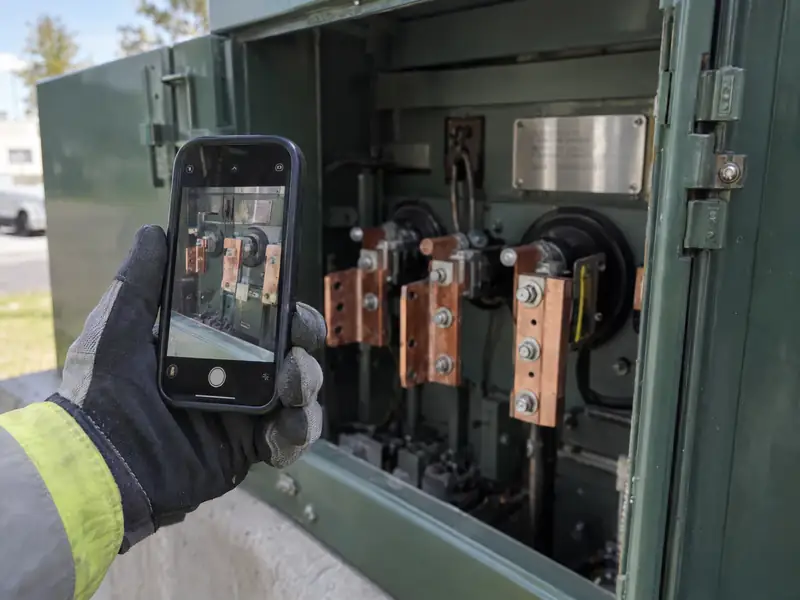
01Sell a Hitachi Energy Transformer in California
If you own a Hitachi Energy transformer in California or have authority to sell it, California Transformer Buyer can review it as used, pulled, surplus, new-surplus, or part of a larger equipment lot. Rocky considers individual units as well as multiple transformers. The unit does not need to be newly manufactured to be worth reviewing.
Start with a nameplate photo, an overall photo taken from a safe position, the quantity, the equipment location, and what you know about its condition. You can text photos to (951) 403-5738 or use the website contact form. For a wider overview of the buying process, see how to sell your transformer.
- Used units that were previously energized
- New-surplus units that have not been energized
- Spare transformers and project leftovers
- Pulled equipment and mixed lots
02Hitachi Energy Transformer Types We Review
The manufacturer record includes power, distribution, dry-type, and instrument transformers. We review those categories based on their actual specifications, condition, and sale circumstances—not the logo alone. A complete model or product description is useful, but photos and readable nameplate details are the starting point.
If you have a Hitachi Energy pad mount transformer, include images that show the whole enclosure and its nameplate. We also review larger station-class and substation equipment. See the pages on selling a pad-mount transformer and substation transformer buyers for details specific to those configurations.
- Liquid-filled distribution transformers
- Pad-mounted and other distribution configurations
- Dry-type transformers
- Power and substation transformers
- Instrument transformers
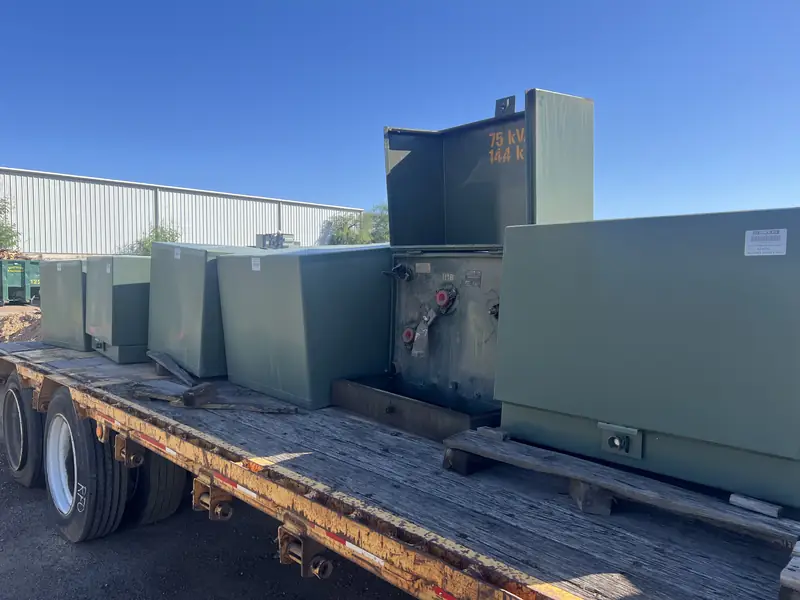
03Hitachi Energy’s Relationship to ABB Power Grids
Hitachi Energy is the successor to ABB Power Grids. The Hitachi–ABB joint venture began in 2020, the Hitachi Energy name was introduced in 2021, and Hitachi took full ownership in December 2022. The company supports power and distribution transformer product lines inherited from that business.
As a result, equipment may have a current Hitachi Energy nameplate or an older nameplate associated with the predecessor business. A prior brand name does not by itself tell a buyer the unit’s present condition, specifications, or suitability. If your records identify the equipment as ABB, the related ABB transformer information may also help you describe its history.
04Where to Find the Hitachi Energy Transformer Nameplate
Look for a fixed metal or durable identification plate on the transformer’s exterior. Its location and layout can vary by equipment type and age. Do not open an enclosure or approach equipment that you are not authorized to access; take photos only from a safe position.
The Hitachi Energy transformer nameplate may show the serial number, year of manufacture, catalog or style number, and the electrical ratings. A clear, straight-on image is more useful than a close crop that cuts off headings or values. If the plate is faded, send both a readable close-up and an overall equipment photo. The transformer nameplate guide explains common fields.
- Manufacturer, serial number, and year
- kVA or MVA rating and phase
- Primary and secondary voltage
- Tap data and connection information
- Impedance, BIL, and cooling class
- Fluid type, gallons, and weight, if shown
05Details to Send for a Buyer Review
Include the nameplate information that is available, particularly serial number, year, rating, voltage, phase, and taps. For a multi-stage power transformer, include each rating and cooling stage shown. Note whether the unit is dry-type or liquid-filled and, when known, the fluid type and winding material.
Add the transformer’s location, quantity, whether it is used or new-surplus, and any known issues such as leaks, rust, damaged bushings, or missing parts. Test reports, oil records, PCB documentation, and ownership or site-access details can help answer follow-up questions. Do not open, drain, sample, disconnect, or move the equipment to gather information.
- Nameplate and overall photos
- Test reports or available service records
- Fluid or PCB documentation, if available
- Known condition and missing accessories
- Site location and access constraints
06Age, Condition, and Rating Matter More Than the Brand
A Hitachi Energy label helps identify the manufacturer, but it does not set a unit’s value on its own. Buyers also consider kVA or MVA, phase, primary and secondary voltages, taps, cooling class, configuration, age, and condition. A complete nameplate and supporting test records make it easier to evaluate what the transformer actually is.
Physical condition, missing parts, fluid information, and whether the unit is tested or documented can also affect buyer interest. New-surplus status is different from previously energized equipment, but it does not replace the need to verify ratings and condition. For more context, read what affects a used transformer’s value.
07Written Offers and Independent Buyer Status
After reviewing the information, Rocky may ask about test reports, fluid or PCB records, ownership, and access. If the transformer is a fit, the written offer states the price, what is included, who handles loading or rigging and freight, and payment terms. The terms are provided in writing before pickup; reviewing the transformer costs nothing and creates no obligation.
California Transformer Buyer is an independent buyer and is not affiliated with Hitachi Energy, Hitachi, ABB, or any utility. Only the owner or someone authorized by the owner can sell the equipment; utility-owned transformers located on private property cannot be sold by the property owner. To begin a review, use the contact form or call or text Rocky at (951) 403-5738.
FAQHitachi Energy FAQ
Will you buy a Hitachi Energy transformer with an older ABB Power Grids nameplate?
Yes, an older predecessor nameplate can still be reviewed. Send photos of the full plate and transformer, along with the serial number, year if shown, rating, location, quantity, and known condition. The name on the plate helps identify the equipment, but the buyer review also depends on its specifications, completeness, and condition.
Can I sell a Hitachi Energy transformer if I do not know its exact model?
Yes. You can start with clear photographs of the nameplate and the overall unit, even if the catalog or style number is unclear. Include any information you have about voltage, kVA or MVA, age, condition, and whether it is used or new-surplus. Rocky may ask follow-up questions or request available reports to clarify the equipment.
Does a newer or unused Hitachi Energy transformer automatically have higher buyer interest?
Not automatically. New-surplus equipment can be attractive, but its ratings, condition, completeness, documentation, and demand still matter. A previously energized unit may also be worth reviewing when its specifications and condition are documented. Share whether it has ever been energized and include any factory test report or other records you have.
Can you review a leaking or damaged Hitachi Energy transformer?
You can send its details for review, but a purchase is not guaranteed. Describe visible leaks, rust, bushing damage, missing accessories, or other known issues, and provide any available records. Do not open, drain, sample, disconnect, or move the transformer. A qualified electrical contractor or serving utility handles electrical isolation, while environmental questions should go to qualified professionals.
What if the Hitachi Energy nameplate is unreadable or missing?
Send an overall photo and any legible portions of the plate, plus records such as test reports, drawings, or prior service documents if available. State what is uncertain rather than guessing at the rating or serial number. A buyer may need more information before determining whether the unit can be evaluated or included in an offer.
Will you buy Hitachi Energy equipment outside California?
California Transformer Buyer reviews transformers from sellers located in California only. If the unit is in California, send its location and whether the seller owns it or has authority to sell it. The company is not a utility or manufacturer representative, and property owners cannot sell utility-owned equipment simply because it is installed on their property.