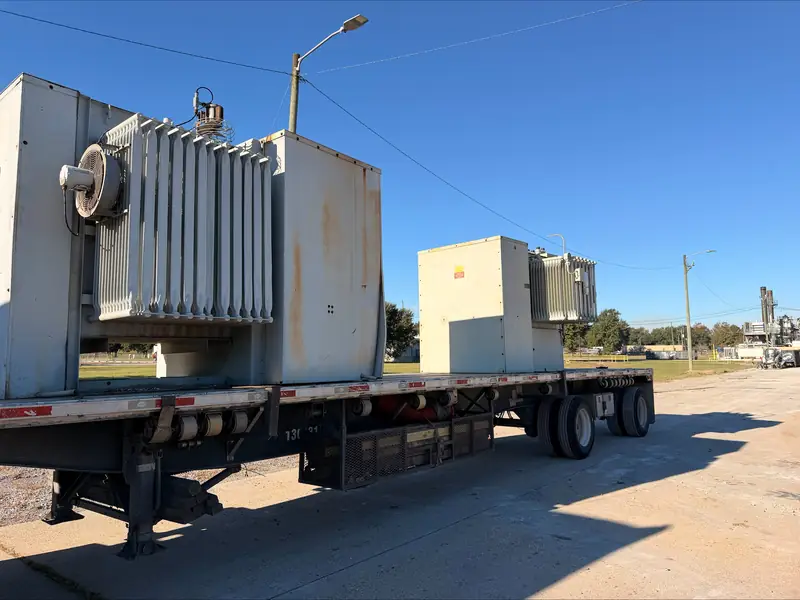
01What a Grounding Transformer Does
A grounding transformer provides a neutral reference for a three-phase system that otherwise has no grounded neutral, commonly an ungrounded delta system. The neutral gives the system a defined path for ground-fault current and can support a resistance-grounded design when paired with a properly specified neutral grounding resistor (NGR).
A grounding transformer buyer looks beyond a generic kVA label. The system voltage, neutral-current rating, zero-sequence impedance and fault duration determine whether a particular unit suits a project. These are specialty transformers within the broader family of equipment described in our transformer types guide.
- Zig-zag connected windings
- Grounded-wye/delta arrangement
- Standalone grounding or auxiliary-load design
- Optional NGR supplied with the transformer
02How to Identify a Grounding Transformer
Start with safe, exterior photos of the complete unit and its nameplate, taken only from a position you are authorized to access. Visible labels, a connection diagram, or separate resistor equipment may indicate grounding service, but appearance alone is not enough to confirm the winding design or duty. Do not open compartments or approach equipment that has not been cleared for access.
Look for a nameplate or diagram identifying zig-zag or grounded-wye/delta connections. Useful fields include system voltage, rated neutral current, fault duration or time rating, zero-sequence impedance, and the NGR's resistance and current rating if supplied. If the unit also serves continuous auxiliary loads, record any continuous kVA rating.
Do not confuse a zig-zag grounding unit with a harmonic-mitigating transformer (HMT) designed to supply building loads. The purpose, connection diagram and duty rating matter more than a similar-looking enclosure.
- Manufacturer, serial number and year
- Voltage and winding connection
- Neutral current and time duty
- Zero-sequence impedance
- NGR resistance and current rating
- Fluid type or dry-type construction
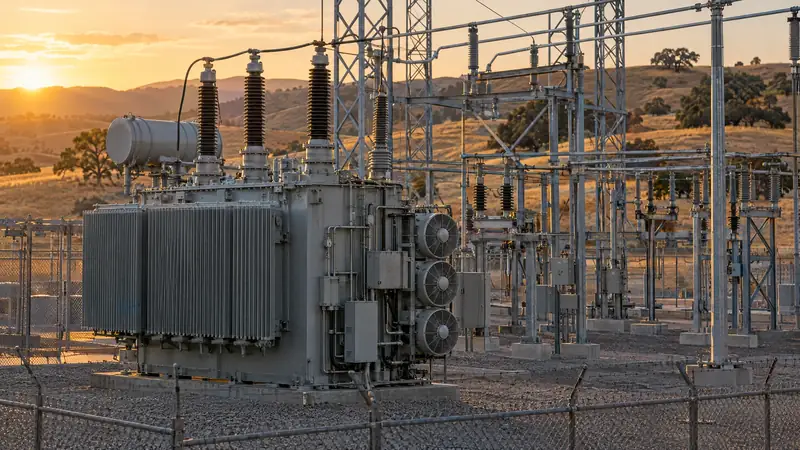
03Where Grounding Transformers Are Used in California
Grounding transformers are used on industrial systems and renewable-energy collection systems where a grounded reference is needed. Solar, wind and battery energy storage system (BESS) collector substations are common applications. A system's actual grounding arrangement depends on its electrical design; a transformer should not be selected from a voltage label alone.
California projects may use medium-voltage grounding equipment across a range of system designs. Common grounding-service voltages include 4.16–34.5 kV, with custom higher voltages also possible; low-voltage examples include 480 V and 600 V. A 34.5 kV nameplate can appear on renewable collection equipment, but verify the exact rated voltage and connection. For broader station equipment context, see our substation transformer buyer information.
04Grounding Transformer Sizes, Voltages and Construction
There is no reliable one-size kVA range for grounding transformers. The equipment is specified around system voltage, neutral current, zero-sequence impedance and the duration of the fault duty. Some designs also have a continuous kVA rating for auxiliary loads, so include every rating shown on the nameplate rather than reducing the unit to one headline number.
Construction may be dry-type or liquid-filled. Units can use zig-zag or grounded-wye/delta windings, and some are supplied with a separate or associated NGR. A resistor may have its own nameplate and ratings; photograph it and include its details when it is part of the equipment being offered. For voltage terminology and examples, consult transformer voltage information.
- Low-voltage grounding: 480/600 V
- Medium-voltage grounding: 4.16–34.5 kV
- Custom higher-voltage designs
- Dry-type or liquid-filled construction
- Optional neutral grounding resistor
05What Affects a Used Grounding Transformer’s Resale Value
The most useful value information is the actual grounding duty: neutral current, fault duration, zero-sequence impedance and system voltage. An included NGR can matter, but its resistance and current rating need to be documented. A generic kVA figure by itself may not explain whether the unit fits another system.
Condition and completeness also matter. Buyers review age, visible leaks or corrosion, damaged bushings, missing parts, accessories, winding configuration and whether the unit is dry-type or liquid-filled. New-surplus equipment may be evaluated differently from a previously energized transformer; test reports and clear documentation help establish what is being offered.
For liquid-filled equipment, provide available fluid and PCB records and test reports rather than making assumptions based on appearance or age. Environmental status should be supported by testing, documentation and qualified environmental professionals; this information is not legal advice. Our guide to transformer oil testing and resale value explains why records can be important.
- Nameplate and connection-diagram completeness
- Neutral-current and fault-time rating
- Zero-sequence impedance
- NGR details and condition
- Test reports and ownership authority
- Access and removal complexity
06What to Send for an Offer on a Grounding Transformer
To sell a grounding transformer, send Rocky the nameplate photo, clear exterior views, quantity, California location and a brief description of condition. Include the NGR and its nameplate if it is being sold with the transformer. Share the connection diagram, test reports, fluid or PCB records, and any known missing components when available.
California Transformer Buyer reviews the information and may ask follow-up questions about ownership, records, site access and removal. Sellers must own the unit or have authority to sell it; property owners cannot sell utility-owned equipment. Reviewing a transformer costs nothing and creates no obligation. To start, use the transformer sale process or request an offer from Rocky.
- Nameplate and overall equipment photos
- Quantity and California location
- Condition and known defects
- NGR details, if included
- Available test and environmental records
- Confirmation of authority to sell
07Removal Planning and Written Terms
Grounding transformers may be installed in substations or other electrical areas with site-specific access and rigging needs. Before pickup, the written offer states the price, what is included, who handles loading or rigging and freight, and payment terms and timing. Confirm those responsibilities in writing rather than assuming removal or transport is included.
De-energizing, isolation and disconnection must be handled by the owner's qualified electrical contractor or serving utility. Solar, batteries and generators can create backfeed hazards, so only qualified personnel should establish safe work conditions. Do not move, open, drain or disconnect the transformer yourself. See transformer removal and pickup considerations for more on planning responsibilities.
08Why California Sellers Contact California Transformer Buyer
Rocky buys used, pulled, surplus, new-surplus, spare and project-leftover transformers from sellers located in California, from individual units to mixed lots. A grounding transformer can be an unusual item to identify and market because its practical value depends on electrical duty and configuration, not just a standard distribution rating.
Send the available records and photos so the unit can be reviewed on its own specifications. If an offer is made, the written terms clarify what is being purchased and who is responsible for loading, rigging and freight before pickup. You can also read about selling surplus transformer equipment and the information buyers typically need.
FAQGrounding Transformer FAQ
Does a grounding transformer have a standard kVA size?
Not in the same way as a typical distribution transformer. Grounding units are selected primarily for system voltage, neutral current, zero-sequence impedance and the duration of the fault duty. Some designs also provide continuous kVA for auxiliary loads. When requesting an offer, send all nameplate ratings and the connection diagram so the unit is assessed by its actual design.
Can you make an offer if the nameplate is missing or unreadable?
You can still send clear exterior photos, the equipment location, quantity and any records you have. Rocky may ask for additional information, such as drawings, test reports, resistor details or installation records. Without reliable identification, voltage and grounding-duty information, evaluation may be limited. Do not open or access energized equipment to find a plate; have qualified personnel handle any inspection requiring access.
Will you buy a grounding transformer with its resistor?
A transformer and its neutral grounding resistor can be reviewed together, but provide separate photos and nameplate information for both pieces. The resistor's resistance and current rating, condition, and whether it is included in the sale help clarify the equipment package. The written offer will state what is included, so confirm the scope before pickup.
Do I need test reports to sell a used grounding transformer?
Test reports are helpful but are not the only information used for an initial review. Send any available factory reports, field test results, maintenance records, and fluid or PCB documentation. If reports are unavailable, say so rather than estimating condition or claiming a test result. The buyer may ask follow-up questions before preparing an offer.
Can I sell equipment that belongs to the utility serving my site?
Only the owner or someone with authority to sell the transformer can do so. Equipment located on private property may still belong to a utility, so location alone does not establish ownership. If ownership is unclear, check the relevant property, project or utility records before offering the equipment for sale.
Who is responsible for disconnecting and loading the unit?
Responsibilities depend on the written terms for the specific transaction. The offer identifies who handles loading or rigging and freight, and those terms should be agreed before pickup. De-energizing, isolation and disconnection are handled by the owner's qualified electrical contractor or serving utility—not by the seller as an informal preparation step.