01What Types of 10 kVA Transformers Are Common?
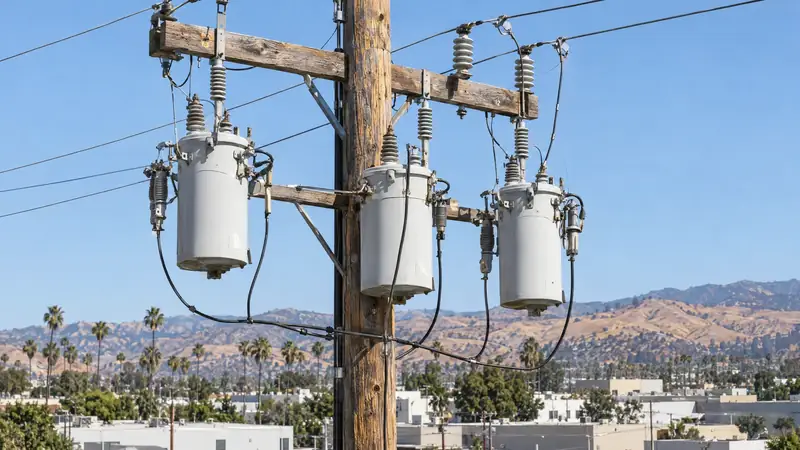
A 10 kVA transformer is most commonly a single-phase unit. At this rating, the types listed in the catalog include single-phase pad-mount, overhead pole-mount and low-voltage dry-type transformers. The enclosure, insulation and voltage configuration matter as much as the kVA rating when identifying a unit for resale.
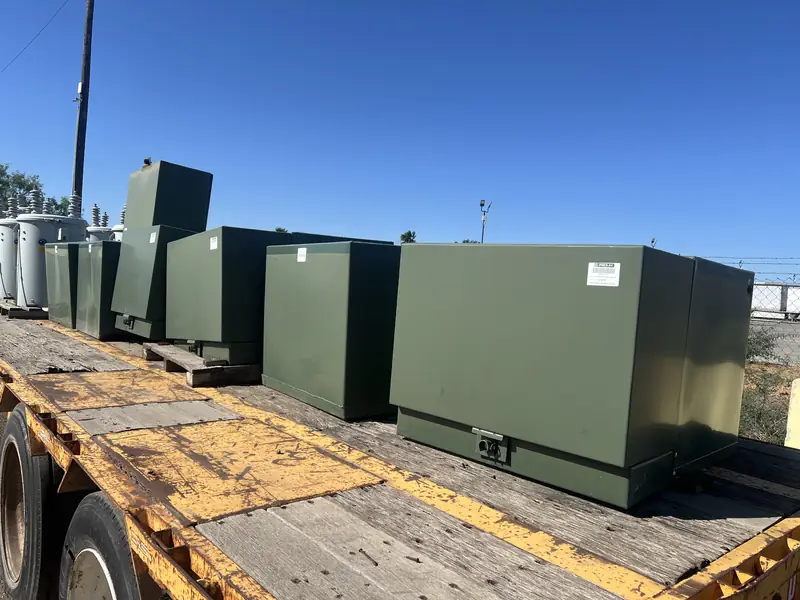
A pad-mounted model is designed for ground-level utility or service installations, while a pole-mount unit is built for overhead distribution. A dry-type transformer is typically used indoors or in equipment spaces. See the details for single-phase pad-mount transformers, pole-mount transformers and dry-type transformers to compare configurations.
FLAFull-Load Amps for a 10 kVA Transformer
Rated full-load current at common California voltages. Single-phase: amps = kVA × 1000 ÷ volts. Three-phase: amps = kVA × 1000 ÷ (1.732 × volts). Use the nameplate voltage of your unit.
| Phase | Voltage | Full-load amps |
|---|---|---|
| Single-phase | 120 V | 83.3 A |
| Single-phase | 240 V | 41.7 A |
| Single-phase | 277 V | 36.1 A |
| Single-phase | 480 V | 20.8 A |
| Single-phase | 7.2 kV | 1.39 A |
| Single-phase | 12 kV | 0.83 A |
02Typical 10 kVA Voltages and Nameplate Details
Voltage combinations vary by manufacturer and application. Common low-voltage single-phase configurations include 120/240 V service, while the full-load amps chart on this page also lists examples at 277 V and 480 V. Higher-voltage primary examples in the chart include 7.2 kV and 12 kV. These are chart entries, not a substitute for checking the actual transformer nameplate.
For a used 10 kVA transformer, photograph the complete nameplate so the primary and secondary voltages, connection, taps, frequency and phase can be read. Include the manufacturer, serial number, year if shown, impedance and insulation or fluid information where available. California utility systems differ by service area, so do not assume that a voltage is compatible based only on its location or enclosure.
03How to Read the 10 kVA Full-Load Amps Chart
The chart rendered on this page shows calculated full-load current for a single-phase 10 kVA rating at several listed voltages. For single-phase equipment, current is calculated from apparent power divided by voltage. As voltage rises, the listed current falls; read across the row matching the voltage being considered rather than comparing unlike voltage sides.
These figures describe rated full-load current, not a recommended operating target or proof of the condition of a particular transformer. Confirm the nameplate voltage and configuration before using the chart for planning. For more detail on the relationship between kVA, voltage and current, see how to size a transformer and read its ratings.
04Where a 10 kVA Unit May Be Used in California
The catalog application for this rating is small single-phase utility or equipment service. Depending on its voltage, enclosure and installation design, a unit may serve a small service or a piece of electrical equipment. The specific use cannot be determined from the kVA rating alone; primary supply, secondary load, connection and installation requirements all need to match.
A 10 kVA rating is not normally a substation or station-class transformer size. Those are much larger power units, and the equipment type should be identified from its nameplate and configuration rather than an assumed category. If the nameplate shows a different rating, browse nearby sizes such as 5 kVA transformers and 15 kVA transformers.
05Physical Size and Weight Depend on the Design
There is no single cabinet dimension or shipping weight that applies to every 10 kVA transformer. A pole-mount, pad-mount and dry-type model can have different shapes, mounting arrangements and insulation systems. Physical size and weight vary by manufacturer and design, so use the nameplate or manufacturer documentation when those details are available.
For an initial review, send clear overall photos from a safe position and include any visible weight information from the nameplate. Do not open compartments or attempt to move the transformer to obtain measurements. Its qualified electrical contractor or serving utility is responsible for electrical isolation and any work needed to access equipment safely.
06What Affects the Value of a Used 10 kVA Transformer?
The rating is only one part of a buyer’s assessment. Voltage combination, phase, connection, taps, manufacturer, age, winding material when stated, and condition all help determine whether the unit fits a resale need. A common California voltage configuration may be easier to place than an unusual one, but value remains specific to the actual transformer and its documentation.
New-surplus status, test reports, intact accessories and clear ownership information can also affect an offer. For liquid-filled equipment, fluid type, quantity and PCB records matter; rely on existing testing and documentation, with qualified environmental professionals advising on environmental questions. For more factors that buyers review, see what affects a used transformer’s value.
- Nameplate and readable voltage data
- Used, pulled or new-surplus condition
- Test reports and available records
- Leaks, corrosion, damage or missing parts
- Quantity, location and site access
07What to Send a 10 kVA Transformer Buyer
To request an offer from California Transformer Buyer, send the information you already have and note anything that is unknown. Photos should be taken only from a safe position and only of equipment you are authorized to access. Never open, disconnect, drain or move the unit to prepare it for review.
For one transformer or a group of units, include the location and whether the equipment is used, pulled, surplus or new-surplus. Rocky may ask follow-up questions about test reports, fluid or PCB documentation, ownership and site access. You can use the transformer offer request process or text photos to (951) 403-5738.
- Nameplate photo and overall photos
- Quantity and California location
- Condition and known operating history
- Test reports or environmental records
- Ownership authority and access details
08Written Offer and Pickup Terms
After reviewing the details, California Transformer Buyer may ask questions before preparing a written offer. The offer states the price, what is included, who handles loading or rigging and freight, and the payment terms and timing. Review those terms before pickup so responsibilities are clear.
There is no obligation to proceed after the transformer is reviewed. The owner or an authorized seller must have the right to sell the equipment; utility-owned equipment on a property cannot be sold by the property owner. California Transformer Buyer reviews transformers located in California only. For the buying process and other equipment types, visit the used transformer buyer information page.
kVANearby Transformer Sizes We Buy
FAQ10 kVA Transformer FAQ
Is a 10 kVA transformer usually single-phase?
Yes. Single-phase is the common configuration at 10 kVA in the catalog. Still, confirm the phase on the nameplate before describing or selling a unit; do not infer its phase from its size or enclosure. If the unit’s rating or phase is unclear, send a readable nameplate photo and overall photos for review.
Can I sell a 10 kVA transformer if it has not been tested?
You can submit it for review, but disclose that test records are unavailable. Existing test reports can help establish condition and clarify the specifications; do not perform electrical testing yourself. A buyer may ask for additional information, and any testing or evaluation should be handled by qualified personnel.
Does California Transformer Buyer purchase a 10 kVA pad-mount transformer?
Single-phase pad-mount is one of the common types at this rating, and California Transformer Buyer reviews used, surplus and new-surplus transformers located in California. An offer depends on the specific nameplate, condition, documentation, ownership and pickup details. Send photos and the unit’s location to request a written review.
What if the nameplate is damaged or hard to read?
Send a clear photo of the plate as it appears, along with overall photos and any paperwork or test records you have. Do not remove covers or take unsafe steps to improve access. Include any specifications you can verify, such as approximate rating, manufacturer or voltage, and flag uncertain information rather than guessing.
Can I sell a transformer that is still installed?
You may request a review while the unit is installed, but do not disconnect, de-energize or move it yourself. Those steps must be handled by the owner’s qualified electrical contractor or serving utility. The offer process will clarify who handles loading or rigging and freight, and the written terms should be reviewed before pickup is scheduled.
Does a non-PCB label mean the transformer has zero PCBs?
No. A non-PCB designation does not mean zero PCBs. Share any existing labels, fluid records, test results and environmental documentation, and rely on testing, records and qualified environmental professionals to assess status and handling. This information is not legal advice; do not sample or drain transformer fluid to answer a sales inquiry.