01Which 3 kVA Transformer Types Are Common?
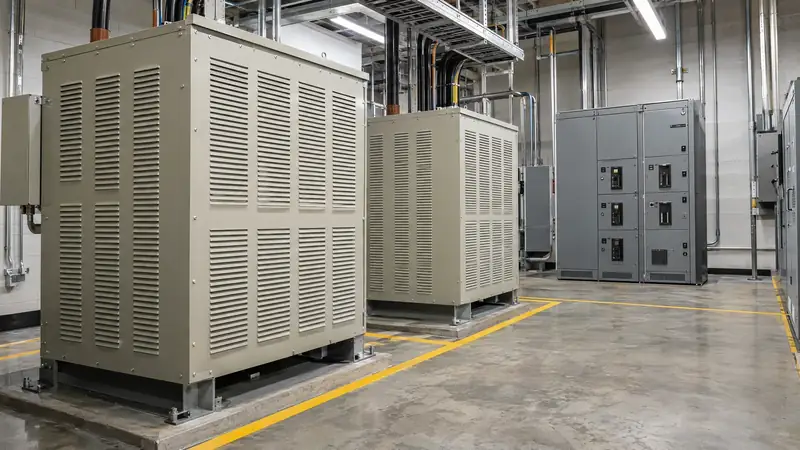
A 3 kVA transformer is a small-capacity unit most often found as a low-voltage dry-type, control, or buck-boost transformer. These may be installed inside industrial equipment, control panels, or buildings to supply auxiliary power or adapt voltage for a specific load. See our information on dry-type transformers, control transformers, and buck-boost transformers for details about these configurations.
A 3 kVA pad-mount transformer or pole-mount distribution transformer would be unusual. Three kVA is not a preferred liquid-filled rating in the verified IEEE C57.12.00 rating series; small dry-type or encapsulated units are a more fitting match. Substation or station-class transformers are much larger equipment, so a unit described as 3 kVA is not ordinarily substation equipment.
FLAFull-Load Amps for a 3 kVA Transformer
Rated full-load current at common California voltages. Single-phase: amps = kVA × 1000 ÷ volts. Three-phase: amps = kVA × 1000 ÷ (1.732 × volts). Use the nameplate voltage of your unit.
| Phase | Voltage | Full-load amps |
|---|---|---|
| Single-phase | 120 V | 25.0 A |
| Single-phase | 240 V | 12.5 A |
| Single-phase | 277 V | 10.8 A |
| Single-phase | 480 V | 6.25 A |
| Single-phase | 7.2 kV | 0.42 A |
| Single-phase | 12 kV | 0.25 A |
| Three-phase | 208 V | 8.33 A |
| Three-phase | 240 V | 7.22 A |
| Three-phase | 480 V | 3.61 A |
| Three-phase | 600 V | 2.89 A |
| Three-phase | 4.16 kV | 0.42 A |
| Three-phase | 12 kV | 0.14 A |
| Three-phase | 12.47 kV | 0.14 A |
02Where a 3 kVA Transformer May Be Used in California
The most typical application is supplying small machinery or auxiliary and control power. A 3 kVA unit may serve a particular control circuit, instrument or small piece of equipment, depending on its voltage, phase, duty and the connected load. The equipment nameplate and the installation design determine whether it fits a specific application.
California facilities may have these small units within manufacturing equipment, commercial buildings, maintenance inventories, or project leftovers. A removed transformer can still be of interest if its rating and condition are clear. If it is part of a larger lot, include the other equipment in your inquiry; California Transformer Buyer reviews individual units and mixed lots.
03Common Voltages and How to Read the Full-Load Amps Chart
At 3 kVA, voltage combinations vary by design. The chart rendered on this page lists example single-phase and three-phase full-load amps at several common low- and medium-voltage points. Use the row matching the unit’s phase and voltage; do not compare a single-phase row with a three-phase row as if the current values were interchangeable.
Full-load amps describe the current associated with the transformer’s rated kVA at the listed voltage. They are a reference for understanding the rating, not a substitute for the actual nameplate or a qualified electrical review. Check the transformer’s primary and secondary voltages, phase, connection and taps before deciding whether it matches a particular system. For the relationship between kVA and current, see how to read transformer kVA and amps.
- Match the chart’s phase to the nameplate.
- Use the voltage on the side being checked.
- Confirm primary and secondary values separately.
- Treat the nameplate as the equipment-specific reference.
04Physical Size and Weight Depend on the Design
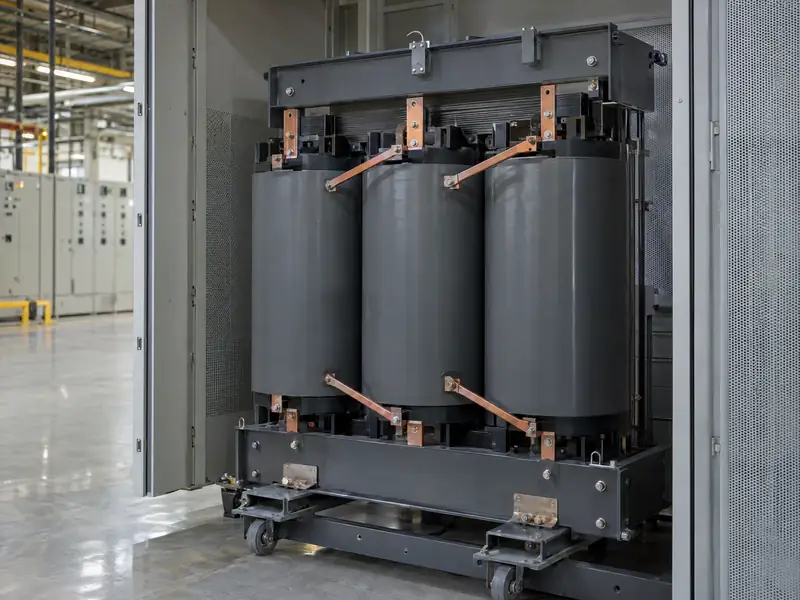
A 3 kVA unit is generally compact compared with distribution or power transformers, but there is no single reliable size or weight for every unit at this rating. Dimensions and weight vary by manufacturer, enclosure, insulation system, cooling method, mounting arrangement and accessories. A dry-type unit may have an open or enclosed construction, while an encapsulated model can have a different shape and handling profile.
Use the nameplate or manufacturer documentation when available, and send a clear overall photo to show the enclosure and condition. Do not open, disconnect, move or otherwise handle energized equipment to obtain information. Photos should be taken only from a safe position and where you are authorized to access the equipment.
05What Affects the Value of a Used 3 kVA Transformer?
A buyer needs to establish exactly what the unit is before evaluating it. Phase, primary and secondary voltage, taps, connection, manufacturer, age and winding material can distinguish one 3 kVA transformer from another. Configuration matters: a transformer matching a known application may have a different resale outlook from a unit with unclear or unusual specifications.
Condition and documentation also matter. Missing parts, enclosure damage, corrosion or signs of overheating can affect an assessment. Factory test reports or other records may help confirm condition, while new-surplus status, quantity and location can affect the overall transaction. Used and new-surplus equipment are evaluated on their specific details; an offer is not guaranteed. Read more about factors that influence used transformer value.
- Nameplate completeness and legibility
- Voltage, phase and connection
- Used or new-surplus condition
- Damage, missing parts or test records
- Quantity, location and access
06What to Send for a 3 kVA Transformer Offer
For a useful review, send a nameplate photo and overall photos showing the transformer’s enclosure, visible condition and any included accessories. Include the quantity, city or location in California, and whether the unit is used or new-surplus. Do not remove covers or approach unsafe equipment to get a photo; a qualified electrical contractor or the serving utility handles electrical work.
California Transformer Buyer reviews equipment from California sellers only. You must own the unit or have authority to sell it; equipment owned by a utility cannot be sold by a property owner. Call or text Rocky at (951) 403-5738, or use get an offer through the contact page. You can also review how to sell electrical transformers in California.
07How the Written Offer and Pickup Terms Work
After reviewing the details, Rocky may ask follow-up questions about specifications, condition, ownership or site access. If the unit is a fit, the written offer states the price, what is included, who handles loading or rigging and freight, and the payment terms and timing. Reviewing a transformer costs nothing and creates no obligation.
Confirm the written terms before pickup so responsibilities are clear. Removal and any electrical isolation or disconnection must be handled by the appropriate qualified personnel, not by the seller as part of taking photos or preparing an inquiry. For an overview of the buying process, see how a used transformer buyer reviews equipment.
kVANearby Transformer Sizes We Buy
FAQ3 kVA Transformer FAQ
Will you buy a 3 kVA pad-mount transformer?
Three kVA is not a typical pad-mount distribution rating; units at this size are more commonly dry-type, control or buck-boost designs. If your equipment is labeled 3 kVA but appears to be pad-mounted, send clear photos and the nameplate so the configuration can be identified. A review does not guarantee an offer, and the actual rating and condition matter.
Can I sell a 3 kVA transformer without a readable nameplate?
A clear nameplate is the best way to confirm the rating, phase, voltages and manufacturer. If it is missing or unreadable, send overall photos and any available records, such as purchase documents or test reports. Do not open the unit to look for information. The buyer may need more details before deciding whether it can be evaluated.
Does single-phase or three-phase make a 3 kVA unit more valuable?
Phase alone does not determine value. The primary and secondary voltages, connection, condition, completeness and likely application all affect whether a particular unit has resale potential. Include the phase and all voltage information from the nameplate when requesting an offer. A specific evaluation depends on the complete equipment details rather than one rating field.
Do you buy a failed or damaged 3 kVA transformer?
You may send details about a failed or damaged unit for review, but purchase is not guaranteed. Describe the known condition and photograph visible damage from a safe position. Do not drain, sample, disconnect or move the transformer yourself. If it contains fluid or has an unknown environmental status, rely on existing records, testing and qualified environmental professionals to determine the proper handling.
What information from the nameplate should I include?
Start with the manufacturer, serial number, year if shown, kVA, phase, frequency, primary and secondary voltages, taps and connection diagram. A photo that captures the full nameplate is usually more useful than transcribing only the rating. Include any available test reports and note missing accessories or visible damage, but do not open equipment to find additional fields.
Can I sell a transformer that is still installed?
You can ask about an installed unit, but ownership, condition, site access and the removal plan need to be reviewed before any transaction. Only the owner or an authorized representative may sell it; utility-owned equipment cannot be sold by a property owner. A qualified electrical contractor or the serving utility must handle electrical isolation and disconnection.