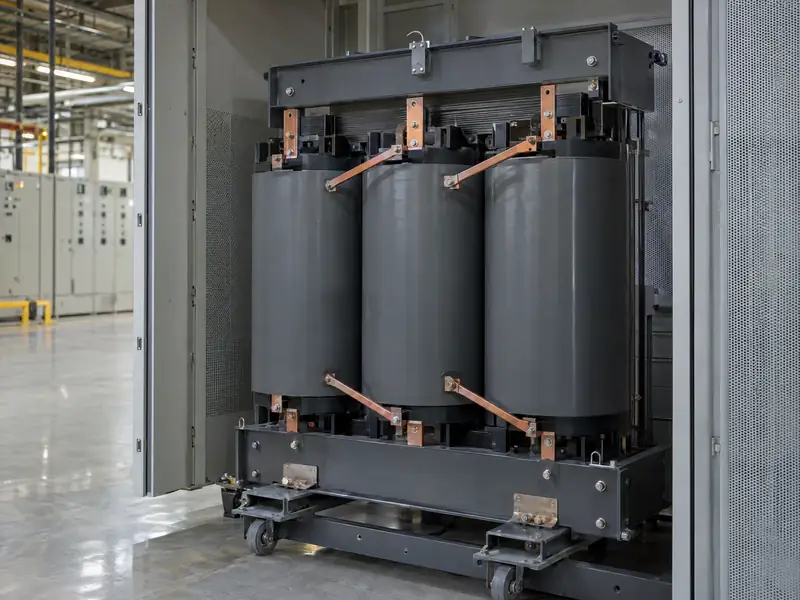
01What a 30 kVA Transformer Buyer Looks For
A 30 kVA transformer is a preferred three-phase rating, and it is commonly used for a small 208Y/120 V commercial panel or a small industrial drive load. The catalog types most relevant at this size are low-voltage dry-type and drive-isolation units. See details about dry-type transformer configurations and drive isolation transformers.
A 30 kVA unit is not limited to one enclosure or purpose. A pad-mounted or pole-mounted configuration may exist, but the rating alone does not establish its construction or suitability. A 30 kVA unit is generally not a station-class substation transformer; verify the actual nameplate and configuration rather than relying on a broad equipment label.
- Low-voltage dry-type transformer
- Drive-isolation transformer
- Other configurations if nameplate confirms
FLAFull-Load Amps for a 30 kVA Transformer
Rated full-load current at common California voltages. Single-phase: amps = kVA × 1000 ÷ volts. Three-phase: amps = kVA × 1000 ÷ (1.732 × volts). Use the nameplate voltage of your unit.
| Phase | Voltage | Full-load amps |
|---|---|---|
| Three-phase | 208 V | 83.3 A |
| Three-phase | 240 V | 72.2 A |
| Three-phase | 480 V | 36.1 A |
| Three-phase | 600 V | 28.9 A |
| Three-phase | 4.16 kV | 4.16 A |
| Three-phase | 12 kV | 1.44 A |
| Three-phase | 12.47 kV | 1.39 A |
02Typical 30 kVA Voltages and California Applications
Low-voltage three-phase units may be configured for common building or industrial systems, such as a 480 V primary feeding a 208Y/120 V panel. Other units may have different primary and secondary voltages, taps, and winding connections. These are examples, not a promise that every 30 kVA transformer has a particular voltage combination.
In California, the actual supply voltage depends on the site and serving utility. Distribution systems include different voltage classes across the state, so use the transformer nameplate and project records to confirm compatibility. For a pad-mounted unit, check the exact primary voltage and secondary connection instead of assuming it matches a nearby installation.
- Small commercial panel distribution
- Industrial drive equipment
- Voltage conversion or isolation, if designed for it
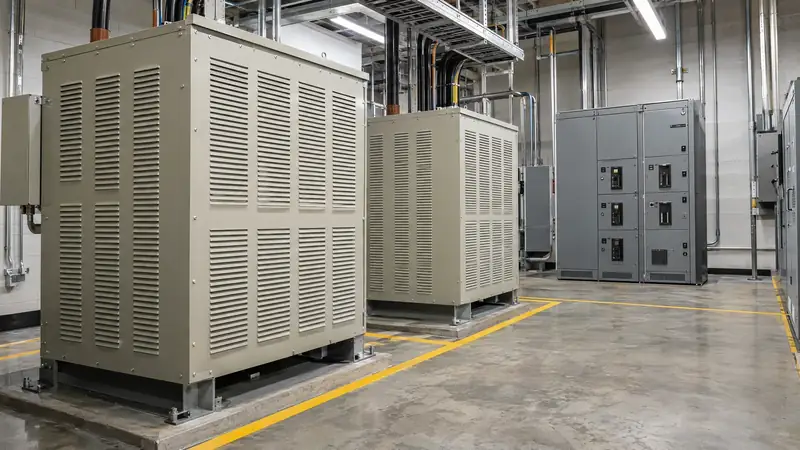
03How to Read the 30 kVA Full-Load Amps Chart
The full-load amps chart rendered on this page shows calculated three-phase current at several listed voltages. To use it, match the transformer’s rated voltage side to the chart’s voltage row, then read the corresponding full-load current. The chart is a reference for the stated rating and voltage; it does not replace the nameplate or equipment documentation.
Current differs between the high-voltage and low-voltage sides because power is transferred at different voltages. Confirm which winding the chart value represents before using it for planning. Actual application decisions also depend on factors such as load characteristics, connections, protection, and applicable electrical requirements. For the calculation and rating basics, see how transformer kVA and amps relate.
04Physical Size, Weight, and Installation Form
A 30 kVA dry-type transformer is generally a compact, floor-mounted or cabinet-style unit compared with larger distribution and substation equipment. Its dimensions and weight vary by manufacturer, enclosure, cooling arrangement, insulation system, and accessories. A drive-isolation design may also differ in size from a general-purpose dry-type unit with the same kVA rating.
Liquid-filled equipment, outdoor enclosures, and pad-mounted construction can change the handling requirements substantially. Do not estimate lifting or transport needs from the kVA alone. Use the nameplate weight and equipment drawings when available, and have qualified personnel assess access, rigging, and site conditions.
05What Affects the Value of a Used 30 kVA Transformer
A used 30 kVA transformer’s value depends on whether its specifications and condition match current demand. Primary and secondary voltage, phase, connection, taps, impedance, enclosure, and winding material help establish what applications it can serve. Commonly usable configurations may be easier to place than unusual or incomplete units, but there is no value based on kVA alone.
Condition and documentation matter. Buyers may consider age, visible leaks or corrosion, bushing or enclosure damage, missing parts, test reports, and whether the unit is used or new-surplus. For liquid-filled equipment, fluid type, PCB records, and available oil test or DGA documentation can be important. Rely on testing, existing records, and qualified environmental professionals for PCB or fluid determinations; this is not legal advice. More detail is available in the factors that affect used transformer value.
- Nameplate completeness and legibility
- Voltage, connections, and taps
- Condition and included accessories
- Test and environmental documentation
- Quantity and site access
06What to Send for an Offer on a 30 kVA Unit
For an initial review, send a clear photo of the full nameplate, overall photos of the transformer, the number of units, the California location, and a brief description of condition. Include available test reports and records showing whether the equipment is new-surplus or was previously energized. A readable nameplate helps identify the manufacturer, serial number, year, voltage, phase, taps, and other rating details.
If a field is unclear or the records are incomplete, say so rather than guessing. California Transformer Buyer may ask follow-up questions about ownership, test results, fluid or PCB records, and site access. The seller must own the transformer or have authority to sell it; utility-owned equipment cannot be sold by a property owner.
- Nameplate and overall equipment photos
- Quantity, location, and condition
- Test reports and available records
- Confirmation of ownership or sale authority
07How California Transformer Buyer Reviews the Equipment
Call or text Rocky at (951) 403-5738, or use the contact form to request an offer. Reviewing your transformer costs nothing and carries no obligation. After reviewing the details, Rocky may ask for additional information and provide a written offer that states the price, what is included, who handles loading or rigging and freight, and payment terms and timing.
Any pickup and payment arrangements are set out in writing before pickup. Do not open, disconnect, drain, or move the transformer to prepare it for sale. Photos should be taken only from a safe position and of equipment you are authorized to access; isolation and disconnection are handled by the owner’s qualified electrical contractor or serving utility.
kVANearby Transformer Sizes We Buy
FAQ30 kVA Transformer FAQ
Is 30 kVA a standard three-phase transformer size?
Yes. Thirty kVA is included in the preferred three-phase rating series, between 15 kVA and 45 kVA. A preferred rating does not mean every manufacturer offers every construction at that size, or that custom ratings are prohibited. Check the manufacturer, nameplate, and equipment records to confirm the actual unit rating and type.
Can I sell a 30 kVA pad mount transformer?
You can submit a pad-mounted unit for review, but its rating does not identify its voltage, connections, condition, or market fit. Send clear nameplate and overall photos, along with location and condition. California Transformer Buyer reviews pad-mounted equipment based on its actual specifications and records; learn more about the review of a pad-mount transformer.
Does a 30 kVA transformer have to be dry-type?
No. Dry-type is one common construction at this rating, and drive-isolation units are also listed as common types. Other configurations may be encountered, but do not infer construction from the kVA rating. The nameplate, enclosure, and records identify what the unit is and whether it is dry or liquid-filled.
What if the nameplate is missing or hard to read?
Send the clearest photos you can take safely, including any remaining labels, and explain which details are unreadable or missing. Do not open compartments or move the equipment to find a hidden plate. Available drawings, purchase records, test reports, or photographs may help identify the unit, though incomplete identification can limit how confidently it can be reviewed.
Do you buy a failed or damaged 30 kVA transformer?
You may submit a failed or damaged unit for review, but a purchase is not guaranteed. Describe the known issue and show visible damage from a safe position; include any inspection or test documentation. A leaking or failed unit may require additional environmental and handling review, so provide existing fluid and PCB records where available.
What should I compare when reviewing an offer?
Compare the written terms, not just the stated amount. Confirm exactly which equipment and accessories are included, who is responsible for loading or rigging and freight, and the payment terms and timing. Make sure the offer describes the unit or lot you intend to sell and that all pickup arrangements are documented before the equipment is collected.