01What a 5 kVA Transformer Rating Means
A 5 kVA transformer is rated to handle an apparent load of five kilovolt-amperes under the conditions shown on its nameplate. At this size, single-phase construction is the common configuration. The rating alone does not identify the voltage, winding arrangement, duty or whether the unit is suitable for a particular replacement.
For a 5 kVA transformer buyer, the nameplate and condition matter more than the size label by itself. California Transformer Buyer considers used, pulled, surplus and new-surplus equipment, subject to its specifications, condition, ownership and sale logistics. If you are comparing nearby ratings, see our pages for 3 kVA transformers and 10 kVA transformers.
FLAFull-Load Amps for a 5 kVA Transformer
Rated full-load current at common California voltages. Single-phase: amps = kVA × 1000 ÷ volts. Three-phase: amps = kVA × 1000 ÷ (1.732 × volts). Use the nameplate voltage of your unit.
| Phase | Voltage | Full-load amps |
|---|---|---|
| Single-phase | 120 V | 41.7 A |
| Single-phase | 240 V | 20.8 A |
| Single-phase | 277 V | 18.1 A |
| Single-phase | 480 V | 10.4 A |
| Single-phase | 7.2 kV | 0.69 A |
| Single-phase | 12 kV | 0.42 A |
02Transformer Types Commonly Found at 5 kVA
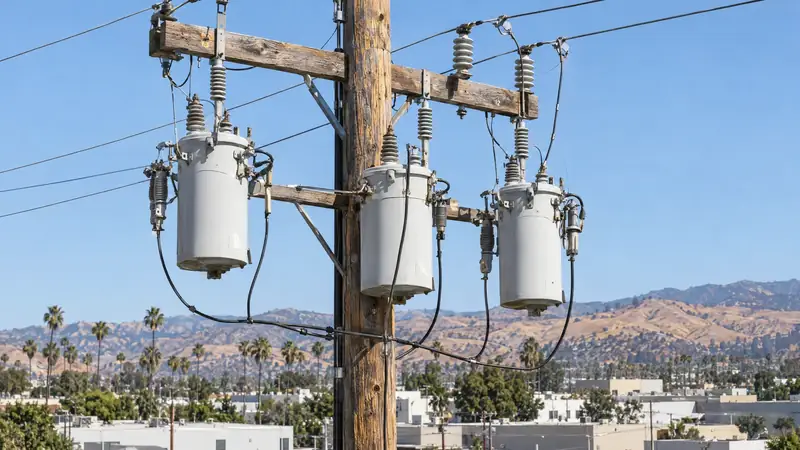
At this rating, common types include overhead pole-mount units, low-voltage dry-type transformers, control transformers and buck-boost transformers. They serve different purposes: a pole-mounted unit is part of an overhead distribution system, while dry-type, control and buck-boost units are generally associated with building or equipment applications. See our pages on pole-mount transformers, dry-type transformers, control transformers and buck-boost transformers for their construction and uses.
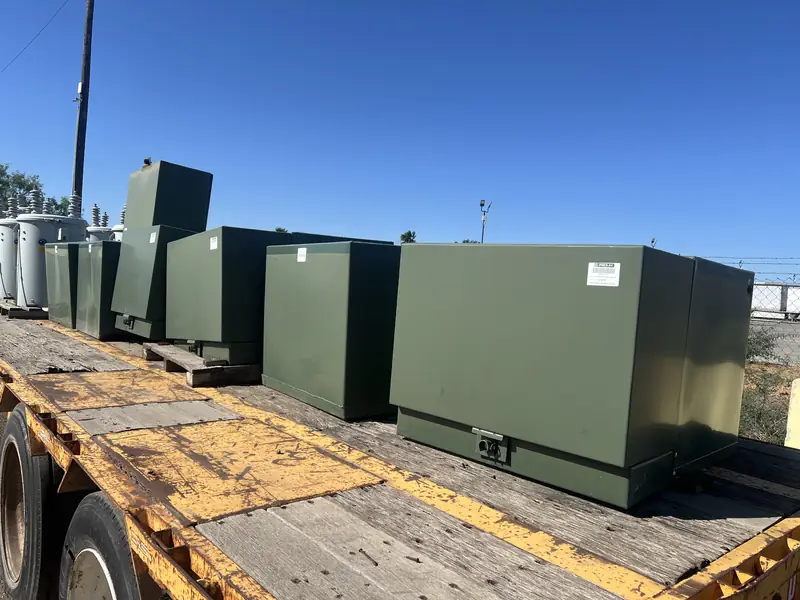
A 5 kVA pad-mount transformer is less typical than the types above. Single-phase pad-mount designs exist in the broader distribution-transformer range, but do not assume a small unit is pad-mounted: confirm the enclosure and configuration from safe-position photos and its nameplate. A substation or station-class transformer is not a typical 5 kVA application; substation equipment is a much larger equipment family.
03Voltage Examples and How to Read the Full-Load Amps Chart
The full-load amps chart rendered on this page shows calculated single-phase current at several listed voltages, including low-voltage and distribution-primary examples. Use the row matching the transformer's rated voltage to understand the approximate current at full kVA loading. The chart is a reference, not a substitute for the actual nameplate or an engineering load calculation.
In general, for the same kVA rating, lower voltage corresponds to higher full-load current. A small unit might have 120/240 V service or equipment windings, or a higher-voltage primary such as a distribution-class winding; the combination varies by design. Do not infer that every listed voltage pair exists on one unit. Check both winding voltages, taps, phase and connection on the nameplate. For more on the relationship between kVA and current, use our transformer kVA and amps guide.
- Match the chart row to the rated winding voltage.
- Confirm single-phase operation before using the single-phase values.
- Treat the nameplate as authoritative for the specific unit.
04Typical Uses for a 5 kVA Unit in California
A 5 kVA transformer can serve small rural loads or supply equipment and control circuits. In commercial or industrial settings, control and buck-boost types may be used where the equipment design calls for their specific voltage function. The exact use depends on the connected load, voltage, duty cycle and installation—not simply the kVA rating.
The unit may be a spare from a maintenance program, an equipment change, a project overage or a decommissioned site. If it came from a utility installation or remains utility-owned, the property owner may not have authority to sell it. The seller must own the transformer or be authorized to act for its owner.
05Physical Size and Weight Vary by Design
A 5 kVA unit is generally compact compared with larger distribution or substation equipment, but there is no single size or weight for this rating. A pole-mount transformer, enclosed dry-type unit, control transformer and buck-boost unit can differ substantially in shape, construction and handling requirements. Dimensions and weight vary by manufacturer, voltage, enclosure, materials and accessories.
Share a clear overall photo and any legible nameplate weight information if available. Do not try to lift or move equipment to get those details. Take photos only from a safe position and only where you are authorized to access the equipment; any isolation, disconnection or handling must be managed by qualified personnel.
06What Affects the Value of a Used 5 kVA Transformer
The value of a used 5 kVA transformer depends on whether its specifications and condition suit a potential reuse application. Clear voltage and connection details, complete components, a known manufacture date and available test documentation help a buyer evaluate it. New-surplus equipment that has never been energized is assessed differently from used equipment, but packaging and records still matter.
Condition issues such as corrosion, leaks, damaged bushings or missing parts can affect the review. For liquid-filled equipment, fluid type, PCB documentation and relevant test records are important; sellers should rely on testing, documentation and qualified environmental professionals for environmental determinations. A brand can help verify specifications, but rating, condition and configuration are key factors. Read more about how a used transformer buyer evaluates equipment and factors that affect a used transformer's value.
- kVA, phase, primary and secondary voltage
- Manufacturer, serial number and year
- Connection, taps and impedance, if shown
- Condition, accessories and completeness
- Test reports and environmental records, if available
- Quantity, location and access for removal
07What to Send for an Offer on a 5 kVA Transformer
Send the information you have; you do not need to identify every technical field before making an inquiry. A readable nameplate photo is especially useful. Include overall photos, the number of units, the California location and a short description of condition and whether the unit is used or new-surplus.
Rocky may ask follow-up questions about ownership, site access, loading, test reports or fluid and PCB records. You can submit the details through the website or text photos to (951) 403-5738. Reviewing the transformer costs nothing and creates no obligation. Request an offer through Contact / Get an Offer or review the steps on how the transformer sale process works.
- Nameplate photo and overall photos
- Quantity and site location
- Used or new-surplus status
- Known condition and missing parts
- Available test or environmental records
08Written Terms and Pickup Planning in California
California Transformer Buyer serves sellers throughout California. Before pickup, the written offer states the price, what is included, who handles loading or rigging and freight, and the payment terms and timing. Review those terms before agreeing to the sale so responsibilities are clear.
Do not disconnect, open, drain or move a transformer to prepare it for sale. De-energizing and disconnecting are handled by the owner's qualified electrical contractor or serving utility. The sale and pickup plan should account for the equipment's condition and site access.
kVANearby Transformer Sizes We Buy
FAQ5 kVA Transformer FAQ
Will California Transformer Buyer buy one 5 kVA transformer?
A single unit can be submitted for review. California Transformer Buyer considers individual transformers as well as larger lots, but an offer depends on the specifications, condition, location, ownership and removal details. Send the nameplate and overall photos, quantity, location and condition so Rocky can determine whether the unit fits current buying requirements. There is no obligation to accept a written offer.
Is a 5 kVA transformer single-phase or three-phase?
The verified catalog information for this size identifies 5 kVA as a common single-phase rating. Do not rely on rating alone to identify a particular unit, especially if a nameplate is hard to read or the equipment is part of a larger assembly. Check the phase marking and winding information on the nameplate, and include a clear photo when requesting an offer.
Can I sell a 5 kVA transformer if I do not know its exact voltage?
Yes, you can start an inquiry with the information available. Send clear photos of the nameplate and the complete unit, and mention that the voltage is unknown. A buyer may ask for additional documentation or details. Do not open an enclosure or approach energized equipment to obtain a better photo; use only a safe position and authorized access.
What if the transformer is missing its nameplate?
A missing or unreadable nameplate makes identification harder, but you can still submit overall photos and any records that may describe the unit. Include the manufacturer or serial number if visible elsewhere, approximate age if known, location, condition and quantity. Do not guess at voltage or rating in place of verified information; note clearly when a specification is unknown.
Do I need to test a 5 kVA transformer before asking for an offer?
You can request an offer with the information already available; testing is not a universal prerequisite for an initial review. Existing test reports can help explain condition and specifications, so include them if you have them. If additional evaluation is needed, discuss it with qualified electrical or environmental professionals. Do not perform electrical work or take fluid samples yourself.
Can I sell a transformer that is still installed?
You may ask about an installed unit, but the removal plan depends on ownership, site access and electrical safety. Do not de-energize, disconnect or move it yourself. The owner's qualified electrical contractor or serving utility handles isolation and disconnection, and pickup responsibilities are addressed in the written offer before any removal is scheduled.